IoT Digital Twin for Robotics Guide With Smart Automation Insights
oT Digital Twin for Robotics combines connected sensors, robotics data, virtual models, and automation software to create a digital representation of a physical robot or robotic system. The virtual model can reflect information such as movement, operating conditions, equipment status, production activity, and maintenance indicators.
The concept comes from two technology areas that developed over several decades. Digital twins evolved from computer-based modeling and simulation, while the Internet of Things (IoT) introduced networks of connected devices capable of collecting and exchanging information. When these technologies are combined with robotics, organizations can observe physical machines through continuously updated digital models.
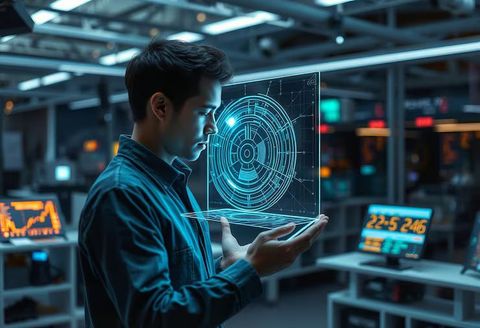
A digital twin does not simply mean a three-dimensional picture of a robot. A useful robotic twin can receive information from sensors, controllers, cameras, and other connected equipment. Software then processes that information so users can understand what is happening with the physical system.
How an IoT Robotics Twin Works
An IoT Digital Twin for Robotics generally contains several connected layers. Sensors collect information from the physical robot, communication systems transfer the information, and software represents the information inside a digital environment.
The basic process can be understood as:
- Physical robot: Performs movement, handling, inspection, assembly, or other programmed activities.
- Sensors: Capture information about position, temperature, vibration, speed, force, or operating conditions.
- IoT connectivity: Transfers selected equipment data to a monitoring or computing environment.
- Digital twin: Represents the physical system and updates its digital condition using incoming information.
- Analytics: Helps identify patterns, unusual behavior, or changes in operating conditions.
- Automation controls: In suitable systems, analyzed information can support adjustments or operational decisions.
This structure allows physical and digital environments to work together. The exact architecture varies according to the robot, factory layout, communication technology, and software environment.
Digital Twin and Robotics Simulation
Robotics simulation has traditionally been used to study robot movements and production processes before physical implementation. A digital twin extends this concept by connecting the virtual representation with information from an operating physical system.
For example, a simulation may show how a robotic arm should move around a workstation. A connected digital twin can additionally represent how that arm is actually behaving during operation. This difference makes IoT connectivity an important part of modern robotic digital twin systems.
Importance
IoT Digital Twin for Robotics matters because robotic systems can become difficult to understand when their physical activities, sensor information, and operational records are spread across different systems. A connected digital representation brings many of these information sources into a shared environment.
For general users, the concept can be compared with a dashboard that represents the condition of a complex machine. Instead of observing every physical component directly, an operator can examine digital information describing movement, status, alerts, and historical patterns.
Problems Addressed by Digital Twins
Robotic systems can experience several operational challenges. These may include unexpected equipment behavior, difficult maintenance planning, inefficient production sequences, or limited visibility into machine conditions.
A digital twin can support analysis of these areas by providing:
- Continuous equipment information
- Historical operating records
- Virtual testing environments
- Condition monitoring
- Process visualization
- Performance analysis
- Maintenance planning information
- Simulation of possible operational changes
The technology does not automatically eliminate these challenges. Its usefulness depends on data quality, sensor coverage, software integration, network reliability, and how people interpret the information.
Who Uses Robotic Digital Twins
IoT-based digital twins can be relevant to manufacturers, automation engineers, equipment operators, maintenance teams, system designers, researchers, and educators. They can also be useful in warehouses, laboratories, logistics environments, and other settings where robots interact with physical equipment.
For non-technical readers, the important idea is that the digital twin creates a bridge between a physical robotic system and its digital information. This bridge can make complex equipment easier to visualize and analyze.
Key Information in a Robotic Twin
Different systems collect different information, but common data categories include:
| Data Category | Example Information | Possible Purpose |
|---|---|---|
| Motion | Position, speed, acceleration | Movement analysis |
| Condition | Temperature, vibration | Equipment monitoring |
| Production | Cycle information, task status | Process analysis |
| Environment | Humidity, surrounding conditions | Operating assessment |
| Energy | Power consumption patterns | Usage analysis |
| Maintenance | Fault records, component history | Maintenance planning |
| Safety | System states and alerts | Risk monitoring |
The table illustrates common information types rather than a universal specification. A particular robotic digital twin may use only some of these categories.
Recent Updates
From 2024 through 2026, the broader digital twin field has continued moving toward more connected, data-driven automation. Improvements in edge computing, industrial IoT connectivity, artificial intelligence, computer vision, and cloud platforms have expanded the types of information that can be incorporated into digital models.
Edge Computing and Real-Time Processing
Edge computing is increasingly relevant to robotics because some information can be processed close to the physical machine instead of being sent entirely to a distant computing environment. This can reduce unnecessary data movement and support faster analysis where appropriate.
For robotics, local processing can be useful for applications involving cameras, motion information, machine conditions, and other data that may require rapid interpretation.
AI and Predictive Analysis
Artificial intelligence is also becoming more closely connected with digital twin platforms. Machine learning models can examine historical sensor information and identify patterns that may not be obvious through simple monitoring.
In robotics, this can support activities such as anomaly detection, equipment condition analysis, process optimization, and simulation. However, AI-generated results still require appropriate validation, especially when decisions could affect physical equipment or workplace safety.
Greater Use of Virtual Commissioning
Virtual commissioning has become an important concept in modern automation. Engineers can test aspects of control logic, robot movements, and production sequences within a simulated environment before connecting systems to physical equipment.
When combined with digital twin technology, virtual commissioning can provide a more connected development process. Changes can be examined digitally before they are introduced into a physical environment.
More Interoperable Industrial Systems
Another continuing trend is the effort to connect equipment from different manufacturers and technology generations. Industrial communication protocols, standardized data models, APIs, and interoperability frameworks can help different systems exchange information.
This is important because a robotic digital twin may need information from robots, programmable controllers, sensors, cameras, production software, and maintenance systems.
Laws or Policies
IoT Digital Twin for Robotics is influenced by several categories of rules and policies rather than one universal digital twin law. Requirements vary according to the country, industry, equipment type, workplace environment, and data being processed.
Data Protection and Privacy
Connected robotic systems can generate large quantities of operational data. If cameras, access systems, employee identifiers, or other information related to individuals are connected to a digital twin, privacy and data protection requirements may apply.
Organizations generally need to consider what information is collected, why it is collected, how long it is retained, who can access it, and how it is protected. The specific requirements depend on the applicable jurisdiction.
Cybersecurity
Because an IoT Digital Twin for Robotics can connect physical equipment with networks and software, cybersecurity is an important policy area. Unauthorized access could affect digital information and, in some architectures, connected physical systems.
Common security practices include access controls, authentication, network segmentation, software updates, logging, encryption where appropriate, and monitoring for unusual activity.
Machinery and Workplace Safety
Robotic equipment can also fall under machinery and workplace safety frameworks. Digital twin software does not replace physical safety systems, protective equipment, emergency controls, or established risk assessment procedures.
Where robotic equipment operates around people, safety requirements generally remain relevant regardless of whether a digital twin is being used.
AI Governance
When artificial intelligence is incorporated into digital twin systems, additional governance considerations may arise. These can include transparency, data management, human oversight, system reliability, and risk classification depending on the application and jurisdiction.
The applicable rules should therefore be assessed according to the location and intended use of the robotic system.
Tools and Resources
Several categories of tools can support IoT Digital Twin for Robotics projects. The appropriate combination depends on the complexity of the equipment and the required level of simulation and monitoring.
Digital Twin Platforms
Digital twin platforms provide environments for representing physical assets, connecting data sources, and visualizing operational information. Some platforms focus on industrial assets, while others provide broader modeling capabilities.
Robotics Simulation Software
Simulation platforms can represent robot movements, workspaces, sensors, and production environments. They are useful for examining motion sequences and testing changes within a virtual environment.
IoT Platforms
IoT platforms commonly provide device connectivity, data collection, dashboards, event processing, and system integration. They can form the communication layer between physical equipment and digital applications.
Data Visualization Tools
Dashboards and visualization systems help transform sensor and operational information into charts, status indicators, timelines, and other readable formats. These tools can make complex machine information easier for operators and managers to interpret.
Reference Resources
Helpful resources can include:
- Robotics simulation documentation
- IoT architecture guides
- Industrial communication specifications
- Digital twin modeling frameworks
- Cybersecurity guidance
- Machinery safety documentation
- Data governance templates
- Equipment maintenance records
Together, these resources can help explain how physical robots, digital models, data systems, and operational controls interact.
FAQs
What is an IoT Digital Twin for Robotics?
An IoT Digital Twin for Robotics is a digital representation of a physical robotic system that uses connected data to reflect information about the machine. It can support monitoring, simulation, analysis, and maintenance planning.
How does IoT improve a robotics digital twin?
IoT provides a connection between physical equipment and digital systems. Sensors and connected devices can provide information that helps the digital twin represent current or historical operating conditions.
What is a robotics digital twin used for?
A robotics digital twin can be used for simulation, equipment monitoring, process analysis, virtual commissioning, anomaly detection, maintenance planning, and visualization of robotic operations.
Does a digital twin control a robot?
A digital twin does not necessarily control a robot. Some systems are designed mainly for monitoring and simulation, while more integrated architectures may connect digital analysis with automation controls. The control design depends on the specific system.
Is an IoT Digital Twin for Robotics secure?
Security depends on the architecture, network design, software, access controls, device configuration, and operational practices. Connected robotic systems require appropriate cybersecurity measures because digital and physical components may be interconnected.
Conclusion
IoT Digital Twin for Robotics connects physical robotic equipment with digital models, sensor information, simulation, and analytics. The technology can improve visibility into robotic operations while supporting simulation, monitoring, maintenance planning, and process analysis. Recent developments in edge computing, AI, virtual commissioning, and industrial connectivity are expanding digital twin capabilities. Its implementation also needs to consider cybersecurity, privacy, machinery safety, and applicable technology regulations.