Industrial Material Handling Systems Explained: Types, Equipment, Applications, Benefits and Safety
Industrial material handling systems are organized methods for moving, storing, protecting, and controlling materials as they travel through a factory, warehouse, distribution center, construction area, or other industrial workplace. A system may combine equipment such as conveyors, forklifts, pallet trucks, hoists, cranes, storage racks, lifts, automated guided vehicles, and warehouse software.
The idea developed from a practical need: materials often have to move many times between receiving, storage, production, inspection, packing, and dispatch areas. Manual carrying can be slow and can expose workers to physical strain or dropped loads. Material handling systems therefore bring together equipment, layouts, procedures, and people so that movement follows a planned path.
Main elements
An industrial material handling system usually has four connected elements: the material being moved, the equipment used to move it, the space or layout in which movement occurs, and the people or controls that coordinate the process. The right combination depends on load size, weight, shape, travel distance, frequency of movement, available space, and workplace conditions.
Importance
Why material movement matters
Material handling affects many parts of an industrial operation. Poorly planned movement can create congestion, unnecessary travel, damaged materials, blocked access routes, and greater exposure to moving equipment. A clear system helps workplaces organize the flow of raw materials, components, finished goods, containers, and waste.
Common applications
Material handling systems are used across many settings, including:
- Manufacturing plants for moving components between production stages.
- Warehouses for receiving, storage, picking, sorting, and dispatch.
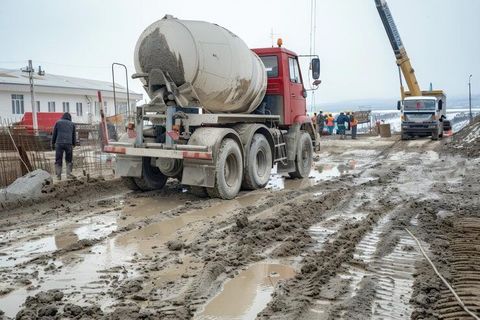
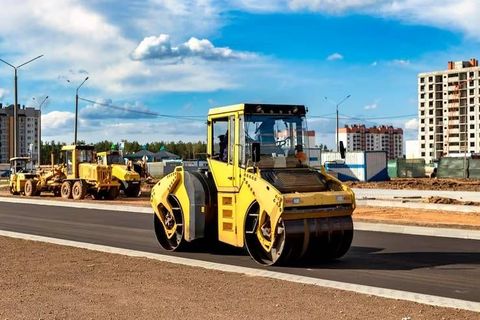
- Construction areas for moving tools, materials, and equipment.
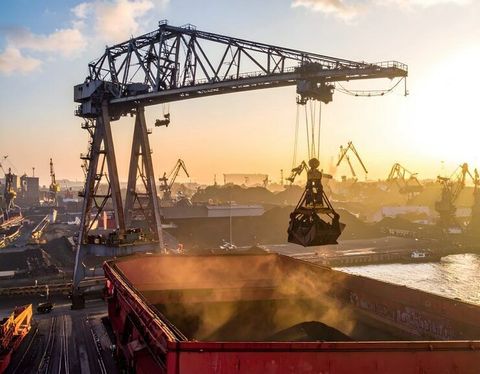
- Ports and terminals for handling containers and bulk materials.
- Food, pharmaceutical, and packaging facilities where controlled movement can be important.
- Recycling and processing facilities where materials may need sorting, conveying, or temporary storage.
Types and Equipment
Manual and mechanical systems
Manual handling includes activities such as carrying, pushing, pulling, lifting, and positioning loads. Mechanical aids such as pallet trucks, hand carts, lifting tables, and hoists can reduce the amount of direct physical handling.
Forklifts are widely used for palletized loads and short-distance movement. Their safe use depends on factors such as rated capacity, load stability, travel routes, visibility, surface conditions, and operator training. Cranes and hoists are used when loads need to be raised or moved through a defined working area.
Continuous and automated systems
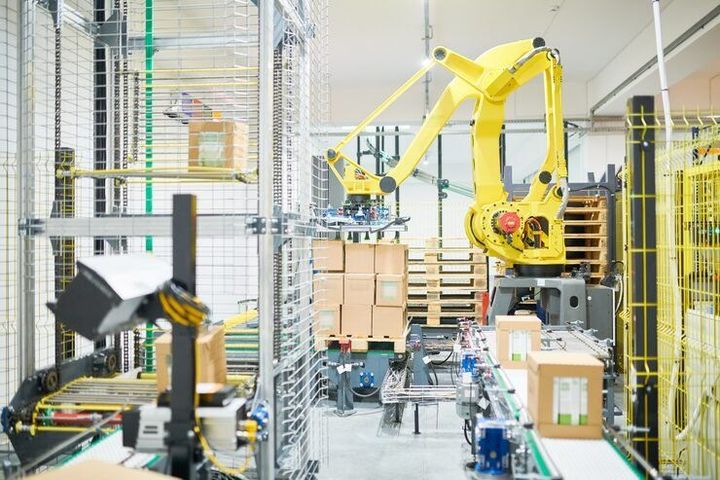
Conveyors provide a continuous path for boxes, parts, bulk materials, or other loads. Common forms include belt, roller, chain, screw, and bucket conveyors. Their design varies according to the material, direction of movement, required speed, environment, and loading pattern.
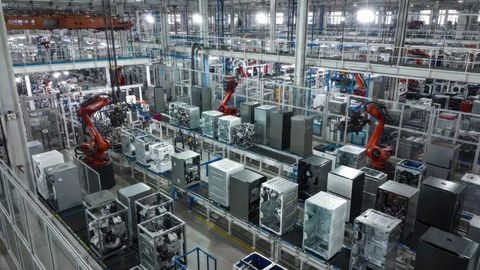
Automated guided vehicles and autonomous mobile robots can move materials between defined locations with limited direct driving input. Automated storage and retrieval systems combine storage structures, mechanical equipment, sensors, and control software to manage movement within a storage area.
System comparison
| System type | Typical equipment | Common use | Key safety consideration |
|---|---|---|---|
| Manual | Carts, pallet trucks | Short-distance movement | Load handling and worker strain |
| Forklift | Counterbalance or reach trucks | Pallet movement | Capacity, visibility, traffic separation |
| Lifting | Cranes, hoists, lifting tables | Raising or positioning loads | Load control and inspection |
| Conveyor | Belt, roller, chain, screw | Repeated movement | Guarding and emergency stopping |
| Automated | AGVs, AMRs, storage systems | Planned internal transport | Detection, routes, controls |
Applications and Benefits
Production and warehousing
In manufacturing, material handling systems can connect receiving areas with storage, production lines, inspection points, and finished-goods areas. In warehouses, equipment can support pallet movement, order picking, sorting, staging, and loading.
A well-organized layout can reduce unnecessary movement and make traffic patterns easier to understand. It can also help separate pedestrians from vehicles or other moving equipment where the workplace design permits.
Safety and operational benefits
The main benefits are related to organized movement, physical assistance, space use, and process control. Mechanical equipment can reduce the need to manually move heavy or awkward loads, while conveyors and automated systems can provide repeatable movement along planned routes.
Recent Updates
Automation and connected systems
From 2024 through 2026, material handling has continued moving toward greater use of automation, sensors, digital tracking, and software-based coordination. Warehouses and industrial facilities increasingly connect equipment with inventory and logistics information so that material movement can be monitored as part of a wider process.
India's logistics policy framework also identifies warehouse automation, robotic process automation, tracking technologies, and digital systems as areas relevant to more integrated logistics operations.
Standards and equipment safety
Indian Standards have continued to be revised or published for equipment related to material movement. For example, BIS lists IS 5563:2024 for screw conveyors used in industry, while IS 14418:2025 addresses rail-mounted ship loaders used for bulk handling. BIS also records a 2025 reaffirmation of IS 3177:2020 for electric overhead travelling and gantry cranes.
Laws or Policies
Workplace safety in India
In India, occupational safety requirements cover several aspects relevant to material handling. The Occupational Safety, Health and Working Conditions framework addresses the safe use and maintenance of transporting equipment, hoists, lifting appliances, and lifting gear. It also covers precautions for raising and lowering loads, competent operators, stacking and unstacking materials, machinery safeguards, and limits related to loads moved by workers.
Specific requirements can vary by workplace, activity, equipment type, and applicable rules. Employers and facility managers generally need to consider the relevant central and state requirements, equipment instructions, applicable Indian Standards, training arrangements, inspection practices, and workplace risk controls.
Machinery standards
The Bureau of Indian Standards provides Indian Standards that can apply to machinery and material handling equipment. Its standards portal allows users to search standards by number or keyword and review related documents and information.
The Machinery and Electrical Equipment Safety framework notified in 2024 also identified categories such as cranes and certain construction, earthmoving, and mining machinery. The framework has undergone subsequent amendments, so the applicable requirement should be checked against the current BIS and government information for the particular equipment.
Tools and Resources
Planning and assessment tools
Common planning resources include facility layout drawings, load charts, equipment capacity tables, aisle-width calculations, traffic maps, inspection checklists, risk-assessment forms, maintenance records, and operator training records. These tools help organize information before equipment is installed or a process is changed.
Standards and reference resources
The BIS “Know Your Standard” portal provides access to Indian Standard information, amendments, notifications, testing information, and related records. Equipment manuals and workplace safety documentation can also provide specifications for operating limits, inspection points, guarding, and maintenance.
FAQs
What is an industrial material handling system?
An industrial material handling system is a combination of equipment, layout, procedures, and controls used to move, store, protect, and manage materials within an industrial workplace.
What equipment is used in material handling systems?
Common equipment includes forklifts, pallet trucks, conveyors, cranes, hoists, lifting tables, storage systems, AGVs, and AMRs. Selection depends on the load, route, movement frequency, workspace, and safety requirements.
How are industrial material handling systems kept safe?
Safety measures can include appropriate equipment selection, load limits, guarding, inspection, operator training, clear traffic routes, pedestrian controls, and procedures for lifting and stacking. The applicable rules and standards depend on the equipment and workplace.
What are automated material handling systems?
Automated material handling systems use equipment such as conveyors, AGVs, AMRs, sensors, and control software to move materials with reduced direct manual control. They may be integrated with warehouse or production systems.
What should be considered when planning a material handling system?
Important factors include material type, weight, dimensions, travel distance, movement frequency, storage method, floor conditions, aisle space, equipment capacity, maintenance needs, worker interaction, and applicable safety requirements.
Conclusion
Industrial material handling systems combine people, equipment, layouts, and controls to move materials through workplaces in an organized way. Forklifts, conveyors, cranes, hoists, storage systems, and automated vehicles serve different movement requirements and have different safety considerations. Current developments in India include greater use of automation and digital coordination alongside continuing updates to equipment standards. Safe material handling depends on matching the system to the workplace, following applicable requirements, and controlling risks from loads and moving equipment.

You May Also Like