Industrial Heat Pump Applications: Complete Guide
Explore industrial heat pump applications, their benefits, types, and implementation strategies. Learn how these systems optimize energy efficiency and reduce operational costs in manufacturing and industrial facilities.
Industrial heat pump applications have become increasingly vital for manufacturing and processing operations seeking to optimize energy efficiency and reduce operational costs. These systems capture waste heat from industrial processes and transfer it to areas where thermal energy is needed, creating a closed-loop energy management solution. Understanding how industrial heat pumps function and their diverse applications helps facility managers and engineers make informed decisions about energy optimization investments.
Understanding Industrial Heat Pump Technology
Industrial heat pumps operate on thermodynamic principles similar to refrigeration systems, but with a reversed focus. Rather than removing heat from a space, they extract heat from lower-temperature sources and upgrade it to higher temperatures for practical use. This process involves a refrigerant cycle with four main components: evaporator, compressor, condenser, and expansion valve.
The compressor is the heart of the system, consuming electrical or mechanical energy to increase the pressure and temperature of the refrigerant. This upgraded heat is then transferred to the process requiring thermal energy. The efficiency of industrial heat pumps is measured by their Coefficient of Performance (COP), which represents the ratio of useful heat output to energy input. Higher COP values indicate more efficient systems.
Benefits and Limitations of Industrial Heat Pumps
The primary advantage of industrial heat pump applications is energy efficiency. By recovering waste heat that would otherwise be lost to the environment, these systems can reduce energy consumption by 30 to 50 percent compared to conventional heating methods. This translates directly to lower operational costs and reduced carbon emissions, supporting sustainability goals.
Additional benefits include operational flexibility, reduced environmental impact, and improved process control. Industrial heat pumps can operate across various temperature ranges and adapt to changing production demands. However, limitations exist. Initial capital investment can be substantial, and system performance depends on consistent availability of waste heat sources. In some cases, the temperature lift required may exceed the system's practical capabilities.
Types of Industrial Heat Pump Applications
Industrial heat pumps are classified by their heat source and application:
- Air-Source Heat Pumps: Extract heat from ambient air, suitable for facilities with limited waste heat sources but less efficient in cold climates.
- Water-Source Heat Pumps: Use water from cooling systems, rivers, or groundwater as the heat source, offering consistent performance.
- Ground-Source Heat Pumps: Leverage stable ground temperatures for reliable, year-round operation.
- Waste Heat Recovery Heat Pumps: Capture heat from industrial exhaust streams, cooling systems, or process waste, maximizing energy recovery.
- Absorption Heat Pumps: Use thermal energy instead of mechanical compression, ideal for facilities with excess steam or hot water.
Key Applications Across Industries
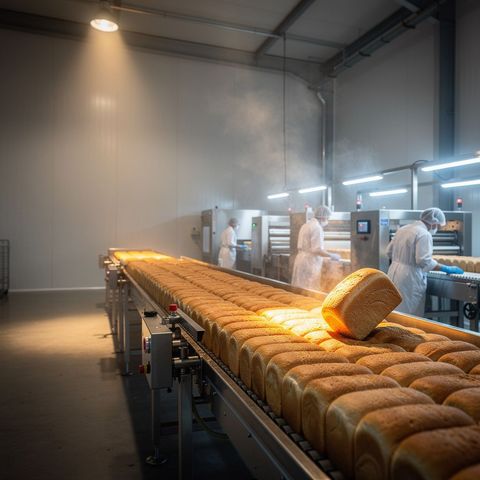
Industrial heat pump applications span numerous sectors. In food and beverage processing, they provide heating for pasteurization, drying, and evaporation while recovering waste heat from cooling operations. Chemical manufacturing uses heat pumps for distillation, concentration, and thermal separation processes. Textile facilities employ them for dyeing and drying operations. Pharmaceutical production benefits from precise temperature control and waste heat recovery. Paper and pulp mills utilize large-scale heat pumps to recover heat from process streams, significantly reducing energy consumption.
Emerging Trends and Technologies
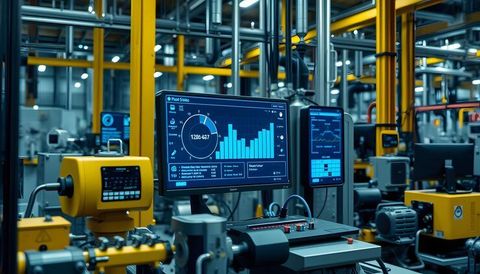
The industrial heat pump sector is experiencing rapid innovation. High-temperature heat pumps now operate at temperatures exceeding 100°C, expanding applications in heavy industry. Magnetic refrigeration and other alternative cycles are under development, promising improved efficiency and reduced environmental impact. Integration with renewable energy sources, particularly solar thermal systems, is becoming more common. Digital controls and IoT connectivity enable real-time monitoring and optimization of heat pump performance, allowing predictive maintenance and dynamic load management.
Technical Features and Performance Metrics
When evaluating industrial heat pump systems, several technical features warrant attention. The temperature lift capacity determines whether the system can achieve required output temperatures. Modulation capability allows the system to adjust output based on demand, improving efficiency. Heat recovery efficiency measures how effectively the system captures available waste heat. Reliability and maintenance requirements impact long-term operational costs. Noise levels and vibration characteristics influence facility integration decisions.
| Heat Pump Type | Temperature Range | Typical COP | Best Application |
|---|---|---|---|
| Air-Source | -15°C to 65°C | 2.5 - 3.5 | Moderate climate facilities |
| Water-Source | 5°C to 80°C | 3.0 - 4.5 | Facilities with water sources |
| Ground-Source | 10°C to 70°C | 3.5 - 5.0 | Long-term installations |
| Waste Heat Recovery | 30°C to 120°C | 4.0 - 6.0 | High waste heat sources |
| Absorption | 20°C to 100°C | 1.5 - 2.5 | Facilities with thermal energy |
Leading Manufacturers and Solutions
The industrial heat pump market includes established equipment manufacturers and specialized providers. Leading companies offer systems ranging from small modular units to large-scale installations. These manufacturers provide customized solutions tailored to specific industrial processes, with varying levels of automation, control sophistication, and integration capabilities. Many offer comprehensive support including site assessment, system design, installation, and ongoing maintenance services.
Selecting the Right Industrial Heat Pump System
Choosing an appropriate heat pump system requires systematic evaluation. Begin by assessing your facility's thermal energy requirements and available heat sources. Calculate the temperature lift needed and verify that candidate systems can achieve it reliably. Evaluate the consistency and volume of waste heat available throughout the year. Consider integration with existing systems and infrastructure modifications required. Analyze the payback period based on energy savings and operational costs. Review maintenance requirements and availability of qualified service providers in your region.
Selection Checklist
- Identify all potential heat sources within the facility
- Determine required output temperatures and capacity
- Calculate annual thermal energy demand patterns
- Assess available space for equipment installation
- Review electrical or fuel supply capacity
- Evaluate integration requirements with existing systems
- Compare COP ratings and efficiency metrics
- Analyze lifecycle costs including maintenance
- Verify compliance with environmental regulations
- Confirm availability of local technical support
Implementation Tips and Best Practices
Successful industrial heat pump implementation begins with comprehensive energy audits to identify optimization opportunities. Engage qualified engineers experienced in heat pump system design to ensure proper sizing and configuration. Prioritize systems with modular designs allowing phased implementation and scalability. Implement robust monitoring systems to track performance and identify maintenance needs early. Train facility staff on system operation and basic troubleshooting. Establish preventive maintenance schedules to ensure long-term reliability. Consider hybrid systems combining heat pumps with other energy sources for maximum flexibility.
Frequently Asked Questions
What is the typical payback period for industrial heat pump installations?
Payback periods typically range from 3 to 7 years, depending on energy costs, available waste heat, system size, and local incentives. Facilities with high thermal energy demands and substantial waste heat sources often experience shorter payback periods.
Can industrial heat pumps operate in very cold climates?
Air-source heat pumps face efficiency challenges in cold climates, but water-source and ground-source systems perform reliably. Waste heat recovery systems are particularly effective in cold regions where waste heat availability is consistent.
How much maintenance do industrial heat pump systems require?
Maintenance requirements vary by system type but typically include annual inspections, refrigerant checks, compressor servicing, and heat exchanger cleaning. Well-maintained systems can operate reliably for 15 to 20 years.
Are there government incentives available for industrial heat pump installations?
Many regions offer tax credits, rebates, or grants for energy efficiency improvements including heat pump systems. Availability and eligibility criteria vary by location, so consulting local energy agencies is recommended.
What is the difference between heat pumps and traditional boiler systems?
Heat pumps transfer existing thermal energy using electricity, while boilers generate heat through fuel combustion. Heat pumps are more energy-efficient but require consistent heat sources. Boilers provide higher temperature output but consume more fuel.
Can industrial heat pumps be integrated with renewable energy sources?
Yes, heat pumps pair effectively with solar thermal systems, biomass, and waste heat recovery. This integration maximizes renewable energy utilization and further reduces operational costs and environmental impact.
Conclusion
Industrial heat pump applications represent a proven technology for enhancing energy efficiency, reducing operational costs, and supporting sustainability objectives across manufacturing and processing sectors. By capturing and upgrading waste heat, these systems create significant economic and environmental benefits. Understanding the various types of heat pumps, their capabilities and limitations, and proper selection criteria enables facility managers to make informed decisions. As technology continues advancing with higher-temperature capabilities, improved controls, and integration with renewable energy sources, industrial heat pumps will play an increasingly important role in industrial energy management. Conducting thorough energy audits, engaging qualified professionals, and implementing comprehensive monitoring systems ensures successful installations that deliver long-term value and performance.