Industrial Equipment Guide: Types, Working Principles, Applications, Features and Selection Factors
Industrial equipment refers to machines, tools, systems, and supporting units used in manufacturing, construction, processing, transportation, energy, and other industrial activities. These systems range from simple material-handling tools to complex automated production machines. An Industrial Equipment Guide helps readers understand how different equipment categories work, where they are used, and what factors influence equipment selection.
Context
Industrial equipment refers to machines, tools, systems, and supporting units used in manufacturing, construction, processing, transportation, energy, and other industrial activities. These systems range from simple material-handling tools to complex automated production machines. An Industrial Equipment Guide helps readers understand how different equipment categories work, where they are used, and what factors influence equipment selection.
The development of industrial equipment is closely connected with the growth of manufacturing and engineering. Early industrial machines relied heavily on mechanical power, while modern equipment can combine mechanical components, electrical systems, sensors, software, and automated controls. This progression has made industrial processes more organized and capable of handling repetitive or demanding operations.
Industrial equipment generally performs one or more basic functions: moving materials, shaping components, processing raw materials, assembling products, controlling temperatures, generating or transferring power, or monitoring industrial conditions. Understanding these functions provides a useful foundation for comparing different types of equipment.
Common Types of Industrial Equipment
Industrial equipment can be grouped according to its primary function. Common categories include:
- Material handling equipment such as conveyors, cranes, hoists, forklifts, and lifting systems.
- Manufacturing equipment such as CNC machines, cutting machines, molding machines, presses, and welding systems.
- Processing equipment such as pumps, compressors, mixers, filtration units, and heating systems.
- Electrical and control equipment such as motors, control panels, sensors, drives, and circuit protection devices.
- Packaging equipment such as filling machines, sealing machines, labeling systems, and wrapping machines.
- Environmental equipment such as wastewater treatment units, air filtration systems, and recycling machinery.
Each category has different operating requirements, safety considerations, and application areas.
Importance
Industrial equipment matters because many modern production activities depend on controlled movement, processing, measurement, and automation. Factories, warehouses, construction sites, power facilities, food-processing plants, and infrastructure projects may use several equipment categories within the same operation.
For workers and facility operators, suitable equipment can help maintain consistent processes and reduce unnecessary manual handling. Equipment selection also affects energy use, operating conditions, workplace safety, space requirements, and maintenance planning.
Problems Industrial Equipment Addresses
Industrial machines are commonly used to address practical production challenges such as:
- Repetitive physical tasks that require consistent movement or force.
- Handling heavy or bulky materials.
- Cutting, forming, drilling, welding, or shaping materials.
- Maintaining controlled pressure, temperature, flow, or speed.
- Monitoring production conditions through sensors and control systems.
- Moving materials between different stages of a production process.
The appropriate equipment depends on the material, operating environment, production requirements, available power, and required level of control.
Working Principles
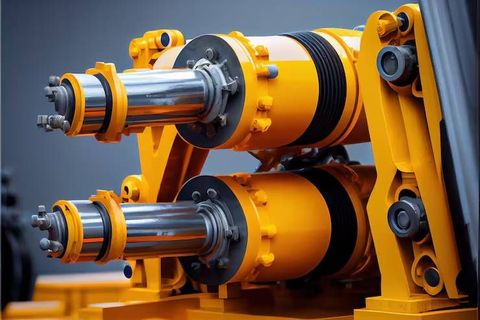
The working principle of industrial equipment depends on its design. A hydraulic press, for example, uses pressurized fluid to generate force. A centrifugal pump uses rotational motion to move liquid, while a conveyor uses mechanical movement to transport materials along a defined path.
Modern equipment may combine several principles. A CNC machine can use motors, mechanical drives, sensors, and computer-based instructions to control movement. Automated systems can also exchange information between machines, controllers, and monitoring platforms.
Recent Updates
Industrial equipment has been changing through increased automation, digital monitoring, energy-efficiency measures, and connected control systems. Between 2024 and 2026, attention has continued to move toward equipment that can collect operating information and integrate with wider industrial systems.
Automation and Digital Monitoring
Sensors are increasingly used to monitor variables such as temperature, vibration, pressure, speed, and electrical conditions. Data from these sensors can help operators identify unusual operating patterns and plan inspections based on equipment conditions.
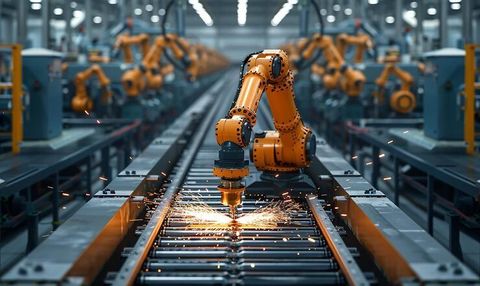
Industrial automation is also becoming more integrated. Programmable logic controllers, industrial networks, robotic systems, machine vision, and software platforms can work together to coordinate production activities.
Energy Efficiency
Energy efficiency remains an important consideration for industrial equipment. India's Bureau of Energy Efficiency continues to operate the Perform, Achieve and Trade programme for designated energy-intensive industries. Its current information reports coverage of 1,333 energy-intensive industrial units and 55% of total industrial energy consumption for the 2025 programme information.
This wider focus encourages attention to motor efficiency, compressed-air systems, heating equipment, process controls, and other areas where energy use can be measured and managed.
Machinery Safety Standards
India has also continued developing its framework for machinery and electrical equipment safety. The Bureau of Indian Standards lists machinery categories covered by Scheme-X certification and provides category-specific guidance for areas including metal-cutting machinery and machinery used for rubber and plastics.
The machinery safety framework has also undergone amendments since the Machinery and Electrical Equipment Safety Omnibus Technical Regulation was notified in 2024. BIS records subsequent amendments in 2025 and a rescinding order in January 2026, showing that the regulatory framework has been evolving.
Laws or Policies
In India, industrial equipment can be affected by several types of regulations depending on its design, application, electrical characteristics, workplace environment, and industry. Requirements may involve product standards, conformity assessment, workplace safety, electrical safety, energy efficiency, environmental controls, or factory regulations.
Machinery and Product Standards
The Bureau of Indian Standards provides standards and certification frameworks for several machinery categories. For example, BIS information references safety principles based on risk assessment and risk reduction for machinery, along with specific standards for different equipment categories.
Equipment manufacturers, importers, and industrial users should identify the standards that apply to the particular machine rather than assuming that one requirement covers every type of equipment.
Workplace Safety
Industrial workplaces are also governed by occupational safety requirements. India's Occupational Safety, Health and Working Conditions Code contains provisions relating to factories, dangerous operations, hazardous processes, emergency standards, chemical exposure, and responsibilities of factory occupiers.
The Ministry of Labour and Employment has also published draft central rules associated with the labour codes, including draft rules concerning occupational safety, health, and working conditions.
Because regulatory requirements can vary by equipment and facility, applicable central and state requirements should be checked before installation or operation.
Tools and Resources
Several resources can help readers understand industrial equipment and its operating requirements.
Equipment Documentation
Manufacturer manuals, technical datasheets, equipment drawings, operating instructions, and safety documents provide information about rated capacity, dimensions, power requirements, operating limits, and installation conditions. These documents are useful when comparing equipment specifications.
Measurement and Calculation Tools
Industrial calculations can involve flow rate, pressure, power, load capacity, motor efficiency, air consumption, heat transfer, and material throughput. Engineering calculators and spreadsheet templates can help organize these measurements and compare operating requirements.
Standards and Government Resources
The Bureau of Indian Standards website provides information about applicable standards and certification frameworks. The Bureau of Energy Efficiency provides information about industrial energy-efficiency programmes, while the Ministry of Labour and Employment publishes information concerning occupational safety and labour regulations. These official resources can help readers verify current requirements.
Equipment Selection Checklist
A simple comparison table can help organize the main factors involved in selecting industrial equipment:
| Selection Factor | What to Examine |
|---|---|
| Application | What task will the equipment perform? |
| Capacity | Required load, flow, volume, or production rate |
| Power | Electrical, hydraulic, pneumatic, thermal, or other input |
| Operating Environment | Temperature, dust, moisture, chemicals, and available space |
| Controls | Manual, semi-automatic, or automated operation |
| Safety | Guards, emergency controls, protection systems, and applicable standards |
| Energy Use | Motor efficiency, operating demand, and energy monitoring |
| Maintenance | Inspection points, replacement components, and maintenance intervals |
| Integration | Compatibility with existing machinery and control systems |
| Documentation | Manuals, drawings, ratings, and compliance information |
Equipment selection is therefore a process of matching technical characteristics with the actual operating environment. A machine designed for one material, load range, or process may not be appropriate for another application even when the equipment appears similar.
FAQs
What is an Industrial Equipment Guide?
An Industrial Equipment Guide explains different categories of industrial machinery, their working principles, applications, features, and selection factors. It can help general readers understand technical equipment before reviewing detailed specifications.
What are the main types of industrial equipment?
Common types include material handling equipment, manufacturing machines, processing systems, pumps, compressors, packaging equipment, electrical systems, automation equipment, and environmental machinery. The appropriate category depends on the industrial task.
How does industrial equipment work?
Industrial equipment works through mechanical, electrical, hydraulic, pneumatic, thermal, or electronic principles. Many modern machines combine several technologies, such as motors, sensors, controllers, and software.
What factors should be considered when selecting industrial equipment?
Important factors include application, capacity, power requirements, operating environment, safety requirements, energy use, controls, maintenance needs, available space, and compatibility with existing systems.
What rules apply to industrial equipment in India?
Requirements vary according to equipment type and application. Relevant areas can include BIS standards, machinery safety requirements, workplace safety rules, energy-efficiency programmes, electrical requirements, and environmental regulations.
Conclusion
Industrial equipment includes a broad range of machines and systems used for manufacturing, processing, material handling, automation, and industrial control. Its working principles can involve mechanical, electrical, hydraulic, pneumatic, thermal, and digital technologies. Recent developments have placed greater attention on automation, monitoring, energy efficiency, and machinery safety. In India, applicable standards and workplace requirements vary according to the equipment and its operating environment.