Industrial Chemical Storage Tanks: Key Facts About Materials and Safety Systems
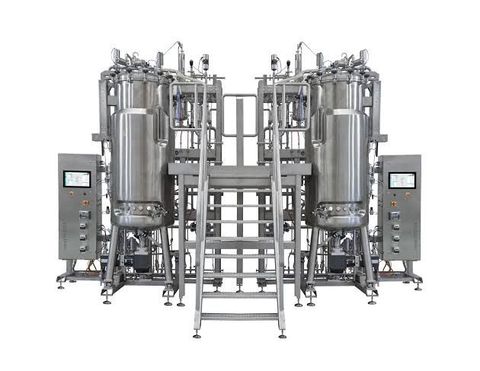
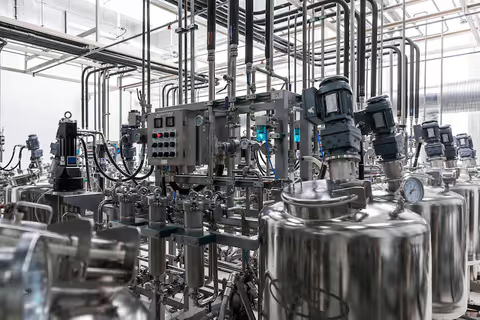
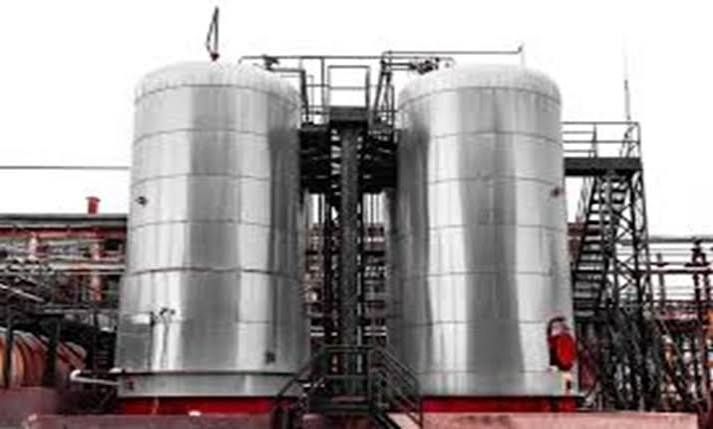
Industrial Chemical Storage Tanks are engineered containers used to hold chemical liquids, solutions, and, in selected applications, other hazardous substances under controlled conditions.
They are used in chemical processing, water treatment, agriculture, pharmaceuticals, food processing, mining, petroleum-related operations, and manufacturing. Tank design depends on the chemical being stored, its concentration, temperature, pressure, compatibility with construction materials, and the surrounding environment. Understanding these factors helps explain how chemical storage facilities manage containment, handling, inspection, and environmental protection.
Context
What Are Industrial Chemical Storage Tanks?
Industrial Chemical Storage Tanks are containers designed for the controlled storage of chemicals before processing, transfer, treatment, or use. They can range from relatively small process vessels to large fixed tanks with capacities appropriate for industrial facilities.
Unlike ordinary liquid containers, chemical storage tanks must account for chemical compatibility and potential hazards. A substance can react with a tank wall, gasket, coating, valve, or other component if the selected material is unsuitable.
Tanks may operate at atmospheric pressure, under controlled pressure, or under vacuum conditions. Their design therefore depends on the physical properties of the stored substance and the operating conditions.
Why Chemical Storage Tanks Are Used
Industrial processes often require chemicals to remain available between different stages of production. A storage tank creates a controlled location where material can be contained, monitored, transferred, and isolated from incompatible substances.
Chemical storage can involve materials such as acids, alkalis, solvents, salts, treatment chemicals, and process additives. Each material requires consideration of factors such as concentration, temperature, density, vapor characteristics, corrosiveness, and compatibility.
Common Types of Chemical Storage Tanks
Industrial Chemical Storage Tanks can be categorized according to construction material, shape, installation method, and operating conditions. Atmospheric tanks are commonly used for liquids that can be safely stored near ambient pressure.
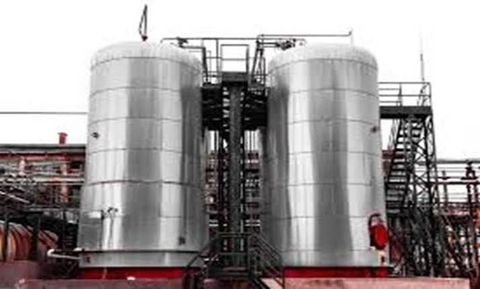
Pressure-rated vessels are designed for applications involving internal pressure and are subject to more specific engineering requirements. Vertical cylindrical tanks are frequently used when a facility has sufficient height and foundation capacity, while horizontal tanks can be used where site layout requires a lower profile.
Other arrangements include:
- Fixed vertical storage tanks
- Horizontal storage tanks
- Double-wall tanks
- Jacketed tanks
- Underground tanks
- Day tanks
- Intermediate process tanks
- Mobile or portable chemical containers
Materials Used for Tank Construction
Material selection is one of the central considerations in chemical tank design. Carbon steel can be suitable for selected chemicals and conditions, while stainless steel provides different levels of corrosion resistance depending on its grade and the chemical environment.
Plastic tanks made from materials such as polyethylene and polypropylene are used for many corrosive chemicals. Fiberglass-reinforced plastic can also be used for selected chemical storage applications.
| Tank Material | General Characteristics | Typical Considerations |
|---|---|---|
| Carbon steel | High mechanical strength | Chemical compatibility and corrosion protection |
| Stainless steel | Corrosion resistance varies by grade | Chemical concentration and temperature |
| Polyethylene | Chemical resistance for many substances | Temperature and structural requirements |
| Polypropylene | Resistance to selected chemicals | Temperature and compatibility |
| Fiberglass-reinforced plastic | Corrosion resistance with structural reinforcement | Resin compatibility and environmental conditions |
Material compatibility should always be evaluated against the specific chemical, concentration, temperature, and exposure conditions.
Importance
Why Industrial Chemical Storage Tanks Matter
Proper chemical containment is important because accidental releases can affect workers, equipment, soil, water, and surrounding areas. Storage systems therefore form an important part of industrial risk management.
A suitable tank must contain its contents during normal operation while also accounting for foreseeable conditions such as filling, emptying, thermal expansion, equipment movement, and environmental exposure.
Chemical storage affects multiple groups, including plant operators, maintenance personnel, environmental teams, emergency responders, nearby communities, and regulatory authorities.
Chemical Compatibility
Chemical compatibility describes how a tank material behaves when it comes into contact with a particular substance. A material that performs adequately with one chemical may degrade when exposed to another.
Important variables include:
- Chemical identity
- Concentration
- Temperature
- Exposure duration
- Pressure
- Chemical mixtures
- Tank material
- Lining or coating
- Gasket and seal materials
Compatibility charts can provide preliminary information, but actual tank selection may require detailed engineering evaluation.
Secondary Containment
Secondary containment is a separate structure or barrier designed to contain liquid if the primary tank or connected equipment releases material. Common arrangements include bund walls, containment basins, double-wall tanks, and lined containment areas.
The design depends on the chemical, tank configuration, facility layout, and applicable regulations. Drainage arrangements are also important because contaminated liquid should not unintentionally enter stormwater systems or surrounding land.
Tank Fittings and Accessories
A storage tank normally includes more than the tank shell itself. Valves, vents, level indicators, pumps, access openings, overflow arrangements, sampling points, and transfer connections may all form part of the installation.
For hazardous chemicals, additional equipment may include leak detection, high-level alarms, emergency isolation, grounding arrangements, ventilation, and dedicated transfer systems.
Inspection and Maintenance
Regular inspection helps identify conditions such as corrosion, cracking, deformation, damaged fittings, leaks, and deterioration of coatings or linings.
Inspection programs can include visual examination, thickness measurement, leak checks, instrument verification, and assessment of foundations or support structures. The appropriate inspection interval and method depend on tank design, chemical properties, operating conditions, and applicable standards.
Recent Updates
Digital Tank Monitoring
Recent developments in Industrial Chemical Storage Tanks increasingly involve electronic monitoring. Level sensors, temperature sensors, pressure transmitters, leak detectors, and other instruments can send information to local control systems.
Digital monitoring can help operators observe tank conditions without relying solely on manual readings. Alarm systems can also identify selected abnormal conditions, such as high liquid levels or unusual temperature changes.
Automated Inventory Measurement
Modern storage facilities can integrate tank-level information with plant control systems and inventory databases. Radar, ultrasonic, guided-wave, and other measurement technologies may be used according to the liquid and tank configuration.
Automated measurement can support process planning and help operators identify changes in stored quantities. Measurement accuracy depends on sensor selection, installation, calibration, liquid characteristics, and tank geometry.
Corrosion Monitoring
Corrosion management remains an important area of tank engineering. Digital thickness gauges, corrosion sensors, inspection databases, and condition-monitoring approaches can help track changes in tank walls and components.
Data from repeated inspections can be compared over time to identify trends. The interpretation of such data requires appropriate engineering knowledge because corrosion rates can vary substantially between locations and operating conditions.
Improved Containment and Material Selection
Environmental considerations have encouraged greater attention to containment systems, leak detection, tank linings, and material compatibility. Double-wall designs and dedicated containment areas are used in selected applications where additional containment is appropriate.
Material engineering has also expanded the range of polymer and composite options available for certain chemical environments. Selection remains dependent on chemical compatibility, mechanical requirements, temperature, and installation conditions.
Industrial Connectivity and Cybersecurity
Where storage tanks are connected to plant automation networks, cybersecurity becomes part of the overall system design. Level sensors, programmable controllers, remote monitoring systems, and supervisory platforms can create additional digital connections.
Security measures can include controlled user access, network segmentation, system backups, monitoring, and appropriate software management. The level of cybersecurity required depends on the facility's architecture and risk profile.
Laws or Policies
Chemical Storage Requirements in India
Industrial Chemical Storage Tanks in India can be subject to environmental, workplace safety, hazardous-chemical, fire-safety, and sector-specific requirements. The exact obligations depend on the chemical, quantity, facility, process, location, and classification of the material.
The Environment (Protection) Act, 1986 provides a broad framework for environmental protection. Facilities may also fall under rules concerning hazardous chemicals and hazardous waste, depending on the substances and activities involved.
Hazardous Chemical Management
The Manufacture, Storage and Import of Hazardous Chemical Rules, 1989 address specified hazardous chemicals and activities in India. Requirements can include provisions relating to safety reports, emergency planning, labeling, information, and handling of specified hazardous substances, depending on applicability.
The Hazardous and Other Wastes (Management and Transboundary Movement) Rules, 2016 can also become relevant when industrial operations generate regulated hazardous or other waste streams.
Pollution Control and Environmental Protection
The Central Pollution Control Board and State Pollution Control Boards play important roles in environmental regulation. Facilities may need permissions and monitoring arrangements according to the applicable industrial category and state requirements.
Chemical storage areas may also need appropriate arrangements for spill containment, drainage management, waste handling, and emergency response.
Workplace and Fire Safety
Workers handling chemical storage systems can face risks from exposure, fire, pressure, mechanical equipment, and accidental releases. The Occupational Safety, Health and Working Conditions Code, 2020 provides a broad framework for occupational safety and working conditions, subject to its applicability and implementation framework.
Fire and emergency requirements can vary according to the chemical and facility. Relevant local authorities, fire regulations, electrical requirements, and applicable technical standards may therefore need to be considered during facility planning.
Tools and Resources
Tank Design and Engineering Tools
Engineering calculations for chemical storage tanks can involve volume, liquid density, hydrostatic pressure, wall thickness, structural loads, thermal expansion, and foundation requirements.
CAD software can be used for tank layouts and piping arrangements, while engineering analysis tools can help evaluate selected structural and process conditions. Tank design calculations should be based on the applicable engineering standard and specific operating conditions.
Monitoring Instruments
Common monitoring equipment includes:
- Radar level transmitters
- Ultrasonic level sensors
- Pressure transmitters
- Temperature sensors
- Leak-detection systems
- Load cells
- Flow meters
- Corrosion-thickness gauges
- High-level alarms
Instrument selection depends on the chemical properties, tank geometry, measurement range, environmental conditions, and required accuracy.
Standards and Reference Materials
Useful technical resources include publications from the Bureau of Indian Standards, Central Pollution Control Board, Ministry of Environment, Forest and Climate Change, and relevant state authorities.
International references can include standards and recommended practices from organizations such as ISO, IEC, API, and ASME where applicable to a particular tank type or industrial application. Safety data sheets are also important references because they contain information about chemical hazards, handling, storage conditions, incompatibilities, and emergency measures.
FAQs
What Are Industrial Chemical Storage Tanks Used For?
Industrial Chemical Storage Tanks are used to contain chemicals and process liquids at manufacturing plants, water-treatment facilities, chemical facilities, agricultural operations, and other industrial locations. They support controlled storage before processing, transfer, or use.
How Are Industrial Chemical Storage Tanks Selected?
Selection depends on the chemical, concentration, temperature, density, pressure, storage volume, tank location, and required containment arrangements. Material compatibility is particularly important because chemical exposure can affect tank walls, linings, valves, seals, and fittings.
What Materials Are Used in Industrial Chemical Storage Tanks?
Common materials include carbon steel, stainless steel, polyethylene, polypropylene, and fiberglass-reinforced plastic. The appropriate material depends on chemical compatibility, mechanical strength, temperature, and operating conditions.
What Safety Features Are Used With Chemical Storage Tanks?
Depending on the application, systems can include secondary containment, level alarms, leak detection, ventilation, emergency isolation, appropriate labeling, grounding, and controlled transfer equipment. The required features depend on the chemical and applicable regulations.
Which Indian Rules Apply to Industrial Chemical Storage Tanks?
Applicable requirements can involve the Environment (Protection) Act, hazardous-chemical rules, hazardous-waste rules, workplace safety requirements, fire regulations, and pollution-control requirements. The specific obligations depend on the chemical, quantity, facility, and activity.
Conclusion
Industrial Chemical Storage Tanks are engineered containment systems used to hold chemicals under defined operating and environmental conditions. Tank material, chemical compatibility, containment, monitoring, inspection, and emergency planning are important aspects of their design and operation. Recent developments include digital level monitoring, corrosion tracking, automated inventory measurement, improved containment, and connected control systems. In India, environmental, hazardous-chemical, waste-management, workplace safety, and fire-related requirements can apply according to the specific facility and stored material.