Import Export Business Overview: Trading Procedures, Market Research, Logistics and Documentation
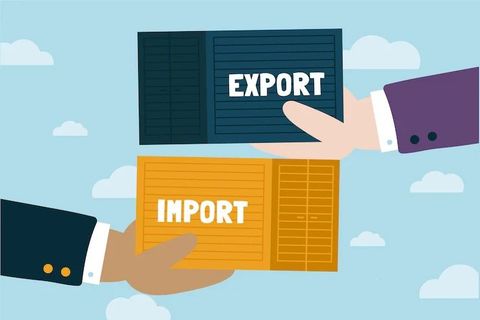
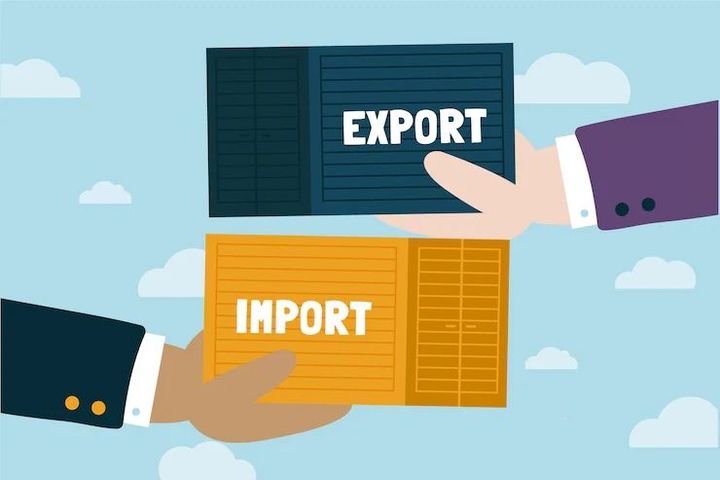
An import export business involves the movement of goods across international borders between businesses, distributors, manufacturers, retailers, and other organizations. Importing generally means bringing goods into a market from another country, while exporting means sending goods from one country to another. Together, these activities form an important part of international trade.
Context
International trade developed as businesses and economies began exchanging products that were not available in sufficient quantities or could be produced more efficiently elsewhere. Modern trade now connects manufacturers, agricultural producers, technology companies, wholesalers, retailers, logistics providers, financial institutions, customs authorities, and consumers across many markets.
An import export business requires more than identifying a product and finding an overseas trading partner. A typical transaction can involve market research, product classification, regulatory checks, pricing analysis, commercial negotiations, documentation, packaging, transportation, customs procedures, payment arrangements, and delivery.
Main stages of international trading
Although procedures differ according to the product, countries involved, and transaction structure, an international trade transaction commonly follows a sequence such as:
- Identify a product and potential market.
- Research demand, competition, regulations, and trade conditions.
- Identify an overseas supplier, buyer, distributor, or business partner.
- Confirm product specifications and commercial terms.
- Check customs classification, origin, permits, and restrictions.
- Prepare the required commercial and shipping documents.
- Arrange transportation and cargo-related requirements.
- Complete export and import customs procedures.
- Receive or deliver the goods according to the agreed terms.
- Maintain records for accounting, compliance, and future transactions.
The exact sequence can change when goods require special permits, inspections, certificates, controlled handling, or additional regulatory documentation.
Importance
Import export activities affect manufacturers, agricultural producers, wholesalers, retailers, industrial businesses, logistics companies, and many other organizations. International trade can give businesses access to products, raw materials, components, equipment, and markets beyond their domestic economy.
However, cross-border transactions also create additional administrative and operational challenges. A product may need a particular customs classification, labeling format, certificate, import authorization, or technical document before it can enter a market.
Why market research matters
Market research is an important stage because demand in one market does not automatically indicate demand in another. Businesses need to examine factors such as market size, competing products, customer preferences, regulatory requirements, transportation conditions, currency movements, and trade agreements.
Useful research questions include:
- Who purchases or uses the product?
- Which product specifications are commonly required?
- Are there import restrictions or technical requirements?
- Which competing products are already available?
- What transportation methods are practical?
- Which documents are required?
- How might tariffs, duties, taxes, and other charges affect the transaction?
- What payment arrangements are commonly used in the relevant trade relationship?
Understanding international trade risk
Cross-border trade can involve several types of risk. These include transportation delays, documentation errors, changes in regulations, currency fluctuations, cargo damage, payment problems, and misunderstandings about contractual responsibilities.
Risk management therefore needs to consider the complete transaction rather than focusing only on the physical movement of goods.
Recent Updates
International trade between 2024 and 2026 has been influenced by changing trade policies, geopolitical disruptions, digitalization, artificial intelligence, and continued development of electronic customs processes.
The World Trade Organization has highlighted uncertainty surrounding tariffs and trade policies as an important factor affecting international commerce. Its 2025 trade outlook also examined how policy changes could influence global merchandise trade.
Another important trend is the increasing digitalization of customs and cross-border documentation. The World Customs Organization released Data Model version 4.2.0 in 2025, adding standardized datasets for areas including customs bonds and certificates of origin. In 2026, the WCO announced version 4.3.0 as part of its continuing work on data interoperability.
Digital trade documentation
Electronic data exchange is becoming increasingly important in international logistics. Standardized data structures can allow businesses, customs authorities, carriers, and other agencies to exchange information more consistently.
The WCO Data Model provides a common framework for cross-border data exchange and supports the development of electronic customs and Single Window systems.
Changing logistics conditions
International transportation networks can be affected by geopolitical events, congestion, weather conditions, infrastructure limitations, and changes in trade policy. The WTO has documented how disruptions to major shipping routes can affect international trade flows and transportation planning.
Businesses involved in import export activities therefore increasingly need contingency planning. This can include evaluating alternative transportation routes, shipment schedules, ports, suppliers, and inventory arrangements.
Artificial intelligence and international trade
Artificial intelligence is also becoming part of international trade discussions. It can support areas such as demand analysis, document processing, forecasting, translation, classification research, and supply-chain analysis.
The WTO's research has examined how digitalization and AI could affect global trade patterns, productivity, and digitally delivered trade.
Laws or Policies
International trade is shaped by national customs laws, import and export controls, tariff schedules, product regulations, sanctions, trade agreements, intellectual-property rules, tax requirements, and documentation standards. Because these requirements differ between jurisdictions and products, there is no single procedure that applies to every import export transaction.
At the international level, the World Trade Organization's Trade Facilitation Agreement supports measures intended to simplify, modernize, and harmonize procedures for the movement, release, and clearance of goods. Its framework includes areas such as advance submission of import documentation and electronic processing.
Customs classification and origin
Goods generally need to be classified using an internationally recognized customs classification system. The Harmonized System provides a common structure for classifying traded products, while individual customs administrations may apply additional national tariff subdivisions.
Rules of origin determine where goods are considered to originate for particular trade purposes. Origin can affect eligibility under trade agreements, tariff treatment, labeling requirements, and documentation.
Import and export controls
Certain products can be subject to additional controls because of their characteristics or intended use. Depending on the transaction, these can include agricultural products, food products, chemicals, medical equipment, technology, industrial machinery, dual-use goods, and products subject to environmental restrictions.
Businesses may also need to consider sanctions and restricted-party rules that apply to particular transactions. These requirements can change, so current official customs and trade authorities should be consulted before a transaction is completed.
Commercial terms
International transactions commonly use standardized commercial terms to define responsibilities between trading parties. Incoterms rules published by the International Chamber of Commerce are widely used to clarify matters such as delivery responsibilities, transportation arrangements, insurance responsibilities, and the point at which certain risks transfer.
The chosen commercial term should be consistent with the actual logistics arrangement and contractual documentation.
Tools and Resources
Import export businesses use several types of resources to research markets, classify products, prepare documentation, monitor shipments, and understand regulatory requirements.
Trade databases
International trade databases can provide information about import and export values, product classifications, trading partners, and historical trade patterns. Such information can help businesses evaluate market conditions before entering a new trading relationship.
Customs classification resources
Customs tariff databases and classification guidance can help identify the appropriate Harmonized System heading and related tariff information. Classification should be based on the actual characteristics of the product rather than simply its commercial name.
Documentation templates
Common international trade documents can include:
| Document | General purpose |
|---|---|
| Commercial invoice | Describes the transaction, goods, quantities, and declared values |
| Packing list | Provides package-level information |
| Bill of lading | Documents carriage of goods by sea |
| Air waybill | Documents carriage by air |
| Certificate of origin | Provides information about the origin of goods |
| Customs declaration | Provides information required for customs processing |
| Insurance document | Records applicable cargo insurance arrangements |
| Inspection or conformity document | Provides evidence of specified checks where required |
Not every transaction requires every document. Requirements depend on the goods, transportation method, trading parties, destination, origin, and applicable regulations.
Logistics tracking systems
Shipment tracking platforms can provide information about cargo movements, estimated arrival times, transportation milestones, and exceptions. Businesses can combine this information with inventory records to coordinate production, warehousing, and delivery planning.
WCO and WTO resources
The World Customs Organization provides resources covering customs procedures, data standards, trade facilitation, risk management, and digital customs. Its Data Model and related guidance are particularly relevant to organizations working with electronic cross-border information.
The World Trade Organization provides trade statistics, research, agreements, and information about developments in global trade policy. Its statistical resources can help businesses examine international trade patterns.
FAQs
What is an import export business?
An import export business involves transactions in which goods or certain traded products move across international borders. Importing generally refers to bringing goods into a market, while exporting refers to sending goods to another market.
What documents are required for import export business activities?
Common documents include a commercial invoice, packing list, transport document, customs declaration, and certificate of origin when applicable. Additional permits, certificates, inspection documents, or licenses may be required depending on the product and destination.
How does market research help an import export business?
Market research helps identify potential demand, competing products, regulatory requirements, trade conditions, transportation considerations, and customer preferences. It can also help businesses understand whether a product is suitable for a particular international market.
What is customs classification in international trade?
Customs classification is the process of assigning a product to an appropriate classification code used by customs authorities. The classification can influence tariff treatment, reporting requirements, import controls, and trade statistics.
How does logistics affect an import export business?
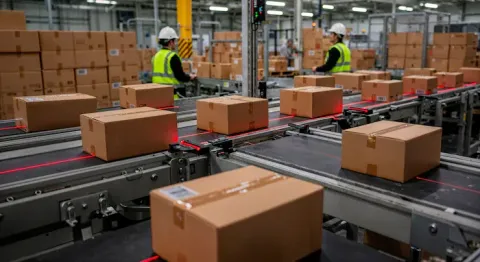
Logistics determines how goods move from the origin to the destination. Transportation mode, packaging, documentation, routing, customs processing, storage, and shipment tracking can all influence the timing and handling of an international transaction.
Conclusion
An import export business involves interconnected activities covering market research, trading procedures, customs requirements, logistics, documentation, and regulatory compliance. Digital customs systems and standardized data exchange are becoming increasingly important, while trade policy changes and transportation disruptions continue to affect international logistics. Accurate product classification, complete documentation, suitable commercial terms, and awareness of applicable regulations are central elements of cross-border trade. Because requirements vary by product and trading jurisdictions, international transactions need to be evaluated according to the specific circumstances involved.