Human-Machine Interfaces Guide With Industrial Automation and Smart Manufacturing Insights
Human-Machine Interfaces, commonly called HMIs, are systems that allow people to interact with machines, equipment, and automated processes. An HMI can use a touchscreen, display panel, buttons, indicators, software interface, or industrial computer to show information and receive instructions from an operator.
The development of HMI technology is closely connected with industrial automation. As factories began using programmable controllers, sensors, robots, and automated production equipment, operators needed practical ways to observe machine conditions and control processes. Earlier control rooms often relied on physical switches, meters, lights, and mechanical indicators.
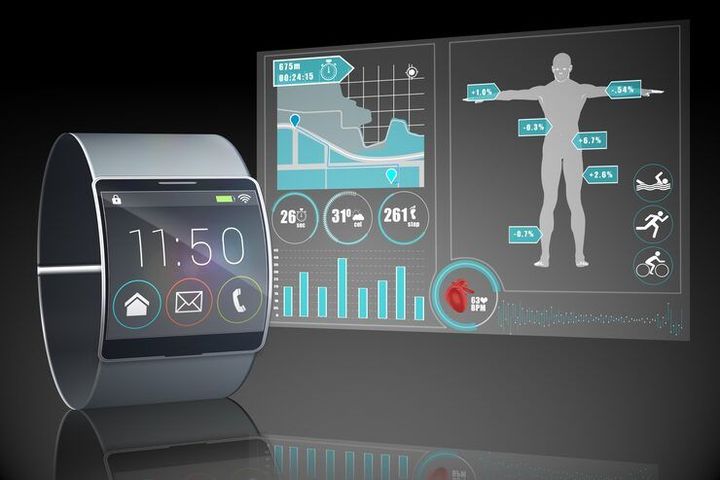
Modern Human-Machine Interfaces combine graphical displays with industrial control systems. An operator can view temperatures, production conditions, alarms, machine states, process values, and equipment status from a centralized interface. Depending on the application, an HMI may communicate with programmable logic controllers, industrial computers, sensors, drives, robots, and other automation components.
How HMI Systems Work
An HMI generally acts as an interaction layer between a person and an automated machine. Sensors and controllers collect information from equipment, while the HMI presents selected information in a format that people can understand.
A simplified HMI process includes:
- Sensors collect operating information.
- Controllers process machine inputs and outputs.
- Communication networks transfer data.
- The HMI displays information and alarms.
- Operators enter commands through approved controls.
- The control system sends appropriate instructions to equipment.
This arrangement can make complex industrial processes easier to observe. It also creates a structured way for operators to understand what is happening without directly interacting with individual machine components.
Common HMI Types
Human-Machine Interfaces vary according to machine size, environment, and operational requirements. Panel-mounted HMIs are commonly installed near machinery, while industrial computers can support larger visualization systems.
Web-based interfaces can allow authorized users to view process information through compatible network systems. Mobile interfaces may also be used for selected monitoring functions, although access should be controlled carefully in industrial environments.
Importance
Human-Machine Interfaces have become an important part of industrial automation because modern production environments can involve hundreds or thousands of individual signals. Without an organized interface, understanding machine conditions can become difficult.
Smart manufacturing increases this requirement because equipment increasingly generates digital information. HMI systems can help transform raw machine data into readable information such as operating status, alarm conditions, process values, and production indicators.
Who Uses HMI Technology
HMI systems affect many groups involved with industrial operations and equipment management. Operators interact with machine displays during routine activities, while engineers may use interface information when configuring or analyzing automated processes.
Maintenance personnel can use alarm histories and machine information to understand equipment conditions. Managers and production planners may also receive summarized operational information through connected manufacturing platforms.
Typical applications include:
- Manufacturing plants
- Packaging equipment
- Food processing systems
- Material handling equipment
- Water and process control
- Energy systems
- Automotive production
- Pharmaceutical manufacturing
- Semiconductor production
- Building automation
Problems HMI Systems Address
One major challenge in industrial environments is information overload. A machine may continuously generate information from sensors, motors, valves, switches, and controllers. An HMI organizes selected information into screens that can be interpreted more easily.
Alarm management is another important area. Instead of relying only on warning lights, an HMI can display the nature of an alarm, its operating condition, and related process information.
Good interface design can also reduce unnecessary operator interaction. Clear labels, logical screen layouts, consistent symbols, and understandable alarm messages help people interpret machine conditions more efficiently.
HMI and Smart Manufacturing
Smart manufacturing connects machines, data systems, sensors, and software across production environments. Human-Machine Interfaces can act as one of the points where people interact with this connected information.
Modern systems may combine HMI functions with supervisory control, production monitoring, historical data, and industrial analytics. This creates a broader information environment in which machine data can be viewed alongside process information.
The relationship can be summarized as follows:
| Technology | Main Function | Relationship With HMI |
|---|---|---|
| Sensors | Collect physical information | Provide machine data |
| PLC | Control equipment | Exchanges signals with HMI |
| HMI | Display and control interface | Connects people with automation |
| SCADA | Supervisory monitoring | Extends monitoring across systems |
| Industrial IoT | Connects equipment and data | Expands available information |
| MES | Manages manufacturing operations | Provides production information |
| Industrial Robot | Performs automated movement | Can receive status and control information |
Recent Updates
Recent developments in Human-Machine Interfaces have focused on connectivity, visualization, cybersecurity, data integration, and more flexible software architectures. Industrial organizations are increasingly connecting traditional automation equipment with broader digital manufacturing systems.
Touchscreen and Graphical Interfaces
Touchscreen panels have become common in industrial environments because they can display multiple control screens within a single physical device. Modern graphical interfaces can use trends, status indicators, process diagrams, alarm lists, and historical information.
However, physical controls remain important for some applications. Emergency functions and critical controls may require dedicated hardware depending on the machine design and applicable safety requirements.
Industrial Edge Computing
Edge computing is another developing area. Instead of sending every piece of machine information to a remote platform, some processing can occur close to the equipment.
For HMI systems, edge processing can support faster local visualization and data handling. It can also reduce dependence on continuous external network communication for certain functions.
Increased Cybersecurity Focus
As industrial equipment becomes more connected, cybersecurity has become a significant consideration. HMI devices can become potential access points to control networks if they are not properly configured and protected.
Current industrial practices increasingly emphasize controlled access, network segmentation, authentication, software maintenance, secure communication, and monitoring of connected devices.
Data Integration
Modern HMI platforms are increasingly designed to work with multiple industrial communication protocols and information systems. This can help connect older automation equipment with newer digital infrastructure.
The broader trend is toward interfaces that do more than display machine values. They increasingly act as visualization layers within connected manufacturing environments.
Laws or Policies
Rules governing Human-Machine Interfaces vary according to the country, industry, machine type, and intended application. Because no specific target country is provided, the regulatory landscape is described in general terms rather than assigning requirements to a particular national system.
Machine Safety Requirements
Industrial machines commonly need to address operator safety, risk reduction, emergency functions, control-system behavior, and safe interaction. HMI design can be part of this broader machine safety system.
An HMI should not be treated as the only safety mechanism. Safety-related functions may require dedicated hardware, safety controllers, emergency devices, protective systems, and other measures depending on the equipment.
Electrical and Industrial Standards
Organizations designing or deploying HMI systems may need to consider applicable electrical, machinery, functional safety, electromagnetic compatibility, and industrial communication standards.
International frameworks from organizations such as the International Electrotechnical Commission and International Organization for Standardization are frequently referenced in industrial automation. National authorities may adopt, modify, or supplement such standards through local legislation and technical requirements.
Cybersecurity Policies
Connected manufacturing environments may also be subject to cybersecurity policies or sector-specific requirements. Common areas include access control, authentication, network protection, software updates, incident response, and protection of operational technology networks.
Organizations should determine which rules apply to their particular equipment, industry, and location before implementing a control system.
Tools and Resources
Several categories of tools can help people understand, configure, test, and manage Human-Machine Interfaces. The appropriate tools depend on the automation platform and application.
HMI Design Software
HMI development environments allow users to create screens, buttons, indicators, alarms, trends, and navigation structures. These platforms generally connect interface elements with tags or variables from controllers and other devices.
PLC Programming Platforms
Programmable logic controller software is commonly used alongside HMI development tools. PLC programming platforms define machine behavior, while the HMI provides an interface through which operators can view information and interact with permitted functions.
SCADA Platforms
Supervisory Control and Data Acquisition platforms provide broader monitoring capabilities for industrial processes. They may integrate multiple machines, locations, controllers, alarms, and historical information.
Simulation and Testing Tools
Simulation environments can reproduce selected machine conditions without requiring the complete physical system to operate. These tools can help identify interface logic problems, incorrect screen behavior, and communication issues before deployment.
Useful resources can include:
- HMI design guidelines
- Industrial automation documentation
- PLC programming manuals
- Machine safety standards
- Industrial cybersecurity frameworks
- Communication protocol documentation
- Operator interface templates
- Equipment simulation platforms
FAQs
What is a Human-Machine Interface?
A Human-Machine Interface is a system that allows people to monitor and interact with machines or automated processes. It commonly uses displays, touchscreens, buttons, indicators, and software screens.
How does HMI support industrial automation?
HMI systems support industrial automation by displaying machine information and allowing authorized operators to interact with control functions. They can show equipment status, process values, alarms, and trends.
What is the role of HMI in smart manufacturing?
In smart manufacturing, an HMI can provide a human-facing layer for connected machine data. It may integrate information from controllers, sensors, industrial networks, and manufacturing software.
Are HMI systems part of machine safety?
HMI systems can be involved in operator interaction and safety-related information, but they are not automatically a complete safety system. Critical safety functions may require dedicated safety components and controls.
What should an HMI display?
An HMI can display information such as machine status, process values, alarms, production conditions, trends, diagnostic information, and permitted control functions. The screen design should match the operational requirements of the equipment.
Conclusion
Human-Machine Interfaces provide an important connection between people and automated equipment. Their role has expanded from basic machine control panels to connected visualization systems used within industrial automation and smart manufacturing environments. Modern HMI development increasingly emphasizes graphical interfaces, data integration, edge processing, cybersecurity, and structured alarm management. Safety, communication, and regulatory requirements remain important considerations when HMI systems are integrated into industrial equipment.