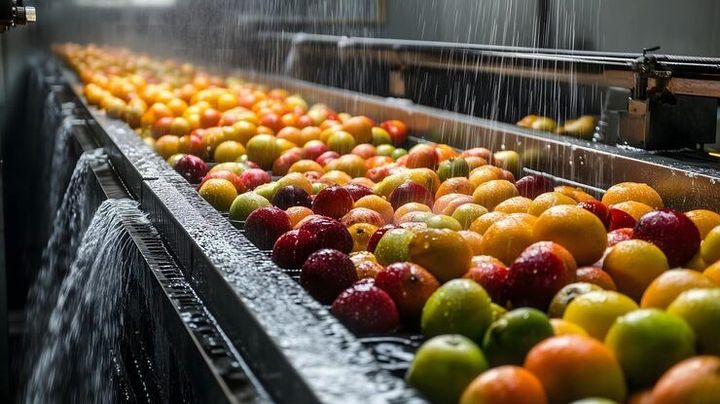
Fruit Washing Machines Guide: Designs, Washing Methods, Applications, Components and Features
Fruit washing machines are food-processing machines designed to clean fruits before they move to sorting, grading, peeling, cutting, packaging, or other processing stages. Depending on the design, they may use water sprays, rotating brushes, bubbling water, rollers, or a combination of washing methods to remove soil, dust, plant material, and other surface contaminants.
Fruit washing has traditionally been performed by hand or with simple water tanks. As fruit processing became more organized, mechanical washing systems were developed to provide more consistent handling across larger quantities. Modern fruit washing machines can be found in fruit-processing facilities, juice plants, food preparation units, agricultural processing centers, and facilities handling fresh produce.
The machine selected for a particular application depends on the fruit type, surface characteristics, production volume, washing method, and following processing stage. Soft fruits may require gentle water movement, while firmer fruits can generally tolerate brushing or controlled mechanical movement.
Basic Washing Process
A typical fruit washing line may follow several stages. Fruits are first introduced into a receiving area, where larger unwanted materials can be separated. The fruit then enters the washing section, where water and mechanical movement help loosen surface material.
After washing, fruits may pass through rinsing, draining, drying, inspection, sorting, or grading stages. The exact sequence varies according to the fruit and the intended application.
Common washing approaches include:
- Spray washing, where water jets are directed onto the fruit surface.
- Bubble washing, where air is introduced into a water tank to create gentle movement.
- Brush washing, where rotating brushes help remove surface particles.
- Roller washing, where rotating rollers move fruit through a controlled washing area.
- Combination washing, where two or more methods are used in sequence.
Importance
Fruit washing machines matter because cleaning is an important part of fresh-produce handling. Fruits can collect soil, dust, plant debris, and microorganisms during cultivation, harvesting, transportation, and storage. Washing helps reduce surface contamination before further handling.
The requirements are different for every fruit. Apples, oranges, lemons, mangoes, tomatoes, potatoes, and other produce vary in shape, firmness, skin texture, and sensitivity to mechanical movement. A washing system therefore needs to match the characteristics of the produce being processed.
Problems Addressed by Mechanical Washing
Manual washing can require substantial handling when large quantities of produce are processed. Mechanical systems can organize water flow and fruit movement into a repeatable process, while reducing direct handling between individual stages.
The main areas addressed include:
- Removal of visible soil and surface debris.
- Consistent contact between produce and washing water.
- Controlled movement of fruits through the washing area.
- Reduced handling between receiving and processing stages.
- Integration with sorting, grading, drying, and packaging equipment.
- Easier monitoring of water use and cleaning procedures.
FSSAI guidance for fresh fruits and vegetables emphasizes the use of potable and clean water for washing. It also describes the value of having a designated washing area in relevant food-handling environments.
Who Uses Fruit Washing Machines?
These machines can be relevant to fruit processors, juice and beverage manufacturers, food-processing facilities, agricultural processing centers, institutional kitchens, and facilities preparing produce for further processing.
Small systems may handle relatively limited quantities, while larger continuous systems can be integrated into production lines. The appropriate configuration depends on throughput requirements and the physical characteristics of the fruit.
Recent Updates
From 2024 through 2026, fruit-processing equipment has increasingly been discussed alongside automation, hygiene control, water management, and food-loss reduction. The broader food-processing sector in India has also continued to receive policy attention through programs supporting processing and preservation capacity.
The Ministry of Food Processing Industries issued updated guidelines in 2025 for the Scheme for Creation/Expansion of Food Processing/Preservation Capacities. The scheme covers fruits and vegetables processing and focuses on processing capacity, modernization, value addition, and reduction of food loss.
Automation and Hygiene Monitoring
Current fruit washing systems increasingly combine mechanical movement with controlled water delivery, adjustable washing intensity, inspection points, and easier sanitation procedures. Some processing lines also integrate sensors or automated controls to monitor operating conditions.
Water management is another important area. Systems may be designed around controlled spray patterns, filtration, water circulation, drainage, and separation of dirty and cleaner water streams. These arrangements can help processing facilities manage water more systematically.
Integration With Processing Lines
Modern facilities may connect a fruit washing machine with conveyors, sorting equipment, grading systems, dryers, inspection stations, and packaging equipment. This allows washing to become one stage within a continuous material-flow process rather than an isolated activity.
The Ministry of Food Processing Industries also identifies modern infrastructure such as sorting, grading, cold storage, and other common facilities within agro-processing development programs.
Designs and Washing Methods
Fruit washing machines are available in several designs because different produce requires different levels of mechanical contact.
Bubble and Water-Tank Systems
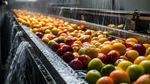
Bubble washers use air introduced through the bottom or sides of a water tank. The resulting movement helps loosen dirt while limiting direct mechanical contact with the fruit.
This design can be suitable for produce that requires comparatively gentle handling. Water depth, air intensity, fruit movement, and residence time can be adjusted according to the system design.
Brush Washing Systems
Brush washers use rotating brushes to contact the fruit surface. Brush material, rotation speed, brush spacing, and water flow can influence how the produce is handled.
This arrangement is commonly considered for firmer fruits and vegetables where controlled surface contact is appropriate.
Spray and Roller Systems
Spray washers use multiple water nozzles to direct water across moving produce. Roller systems use rotating rollers to transport and rotate fruits so different surface areas can come into contact with water.
Some machines combine rollers and spray nozzles to create controlled movement while washing.
Typical Design Comparison
| Machine Design | Main Washing Method | Suitable Handling Style | Common Applications |
|---|---|---|---|
| Bubble washer | Air and water movement | Gentle | Soft or delicate produce |
| Brush washer | Rotating brushes and water | Moderate surface contact | Firm fruits and vegetables |
| Spray washer | Pressurized water spray | Controlled contact | Various produce types |
| Roller washer | Rollers and water | Rotating movement | Round or firm produce |
| Combination washer | Multiple methods | Application-specific | Integrated processing lines |
Applications
Fruit washing machines can be used at different points in agricultural and food-processing operations. The application usually depends on what happens after washing.
Fresh Fruit Preparation
Fresh fruits may be washed before sorting, grading, storage, cutting, or packaging. Washing can help remove visible surface material accumulated during harvesting and transportation.
Juice and Beverage Processing
Fruit intended for juice or beverage production may pass through washing before crushing, pressing, pulping, or extraction. Cleaning at this stage helps prepare the outer surface before subsequent processing.
Frozen and Processed Foods
Fruits used for frozen products, canned foods, purees, sauces, and other processed products may also require washing before additional preparation.
Agricultural Processing Centers
Collection and processing centers may use washing equipment alongside conveyors, sorting systems, grading units, and storage infrastructure. Such arrangements can help organize the movement of produce from receiving through preparation.
Components and Features
The construction of a fruit washing machine varies by design, but several components are common.
Main Components
Important components may include:
- Stainless-steel washing tanks or chambers.
- Water pumps and piping.
- Spray nozzles.
- Rotating brushes or rollers.
- Air blowers for bubble washing.
- Conveyors or feeding systems.
- Drainage arrangements.
- Water filters or circulation components.
- Motors and drive assemblies.
- Control panels and operating controls.
Food-contact surfaces are commonly designed with materials and construction methods intended to support cleaning and sanitation. The exact material specification depends on the machine design and applicable food-processing requirements.
Features to Examine
When studying a fruit washing machine, several technical characteristics are relevant. These include washing capacity, fruit-handling method, water circulation arrangement, adjustable controls, drainage design, cleaning access, and compatibility with downstream equipment.
Noise, energy use, water consumption, footprint, maintenance requirements, and ease of inspection can also influence how a machine fits into a processing environment.
Laws or Policies
In India, food businesses are regulated under the Food Safety and Standards Act and related regulations administered by the Food Safety and Standards Authority of India. Food businesses may need FSSAI registration or licensing depending on their category and applicable criteria.
FSSAI guidance emphasizes hygienic food handling and the use of safe water. For fresh fruits and vegetables, washing areas and water quality are important parts of hygienic handling practices.
2026 Regulatory Changes
FSSAI introduced significant licensing and registration changes during 2026. Revised turnover thresholds became effective from April 2026: registration applies up to ₹1.5 crore turnover, a State License applies above ₹1.5 crore and up to ₹50 crore, and a Central License applies above ₹50 crore, subject to the applicable rules. The 2026 reforms also introduced perpetual validity for registrations and licenses, with continued compliance and risk-based inspection requirements.
These rules apply to food businesses rather than to a fruit washing machine itself. Equipment used in a food-processing environment should nevertheless be operated within the applicable hygiene, sanitation, water-quality, workplace-safety, and food-handling requirements.
Tools and Resources
Several resources can help readers understand fruit washing machines and the surrounding food-processing environment.
FSSAI Resources
The FSSAI website provides food-safety regulations, guidance documents, notifications, and information about licensing and registration. FoSCoS is the online system used for food-business licensing and registration activities in India.
Food-Processing Resources
The Ministry of Food Processing Industries provides information about food-processing schemes, processing infrastructure, modernization, preservation capacity, and agro-processing clusters. These resources can help readers understand the broader environment in which fruit washing equipment is used.
Equipment Documentation
Machine manuals, sanitation procedures, technical specifications, water-flow information, maintenance schedules, and equipment drawings can help operators understand a particular fruit washing machine. Documentation should be checked for the exact machine model because operating requirements differ between designs.
FAQs
What is a fruit washing machine?
A fruit washing machine is equipment designed to clean fruits using methods such as water sprays, bubbling water, brushes, rollers, or combinations of these methods. It is generally used before sorting, grading, cutting, extraction, packaging, or other processing stages.
How does a fruit washing machine work?
A fruit washing machine moves produce through a controlled washing area while applying water and, depending on the design, air, brushes, or rotating rollers. The process helps loosen and remove surface dirt and other visible materials.
Which washing method is used in fruit washing machines?
Fruit washing machines may use spray washing, bubble washing, brush washing, roller washing, or combined methods. The appropriate method depends on the fruit's firmness, shape, skin characteristics, and processing requirements.
Are fruit washing machines used in food processing?
Yes. Fruit washing machines are used in facilities handling fresh produce, juice processing, frozen foods, purees, and other fruit-based products. They may operate as standalone equipment or as part of a larger processing line.
What water is used in fruit washing machines?
Food-processing operations generally need water that meets applicable hygiene and safety requirements. FSSAI guidance emphasizes potable and clean water for washing fresh fruits and vegetables.
Conclusion
Fruit washing machines use controlled water movement, sprays, bubbles, brushes, rollers, or combined methods to clean produce before further processing. Their design varies according to fruit characteristics, washing requirements, production flow, and downstream equipment. In India, food businesses using such equipment must consider applicable FSSAI hygiene, water, licensing, and food-safety requirements. Recent developments have also placed greater attention on processing capacity, modernization, water management, and integrated food-processing systems.