Freight And Shipping Basics For Understanding Logistics And Cargo Transportation
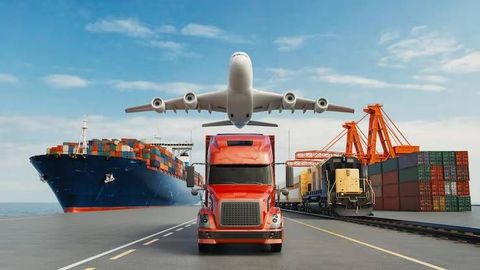
Freight and shipping are fundamental parts of logistics and cargo transportation. They describe the movement of goods from one location to another using transportation networks that may include ships, aircraft, trains, trucks, warehouses, ports, terminals, and distribution facilities.
These systems allow raw materials, manufactured products, food items, machinery, and other goods to move between producers, distributors, businesses, and consumers.
The development of modern freight transportation is closely connected with the growth of international trade and industrial production. As manufacturing expanded across different regions, businesses needed organized methods for moving larger quantities of goods over longer distances. Improvements in roads, railways, ports, aircraft, cargo vessels, containers, and digital tracking gradually created the interconnected logistics systems used today.
Shipping can refer specifically to transportation by sea, but the broader logistics process may involve several transportation modes. A shipment could travel by truck from a factory to a rail terminal, continue by train to a port, move by container ship across an ocean, and then travel by truck to its destination.
Freight transportation therefore involves more than the physical movement of cargo. Documentation, customs procedures, cargo classification, packaging, insurance arrangements, warehousing, tracking, scheduling, and coordination between different parties are also important parts of the process.
Main Types of Freight Transportation
Cargo transportation is generally divided into several major modes. Road freight is widely used for local and regional movement because trucks can reach warehouses, factories, stores, and other destinations directly.
Rail freight is commonly associated with larger volumes and longer inland routes. Maritime shipping is used for substantial international cargo movements, while air freight is generally selected when transportation speed is an important consideration.
Pipelines are another transportation method for certain liquids, gases, and other materials. Each mode has different infrastructure requirements, handling procedures, capacity characteristics, and regulatory considerations.
Common Freight Categories
Freight can be classified according to its physical characteristics, handling requirements, and transportation method. Common categories include:
General cargo
Containerized cargo
Bulk cargo
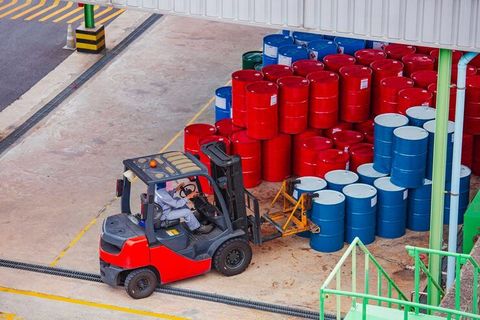
Liquid cargo
Refrigerated cargo
Oversized cargo
Hazardous materials
Break-bulk cargo
High-value cargo
Project cargo
The classification affects packaging, handling equipment, documentation, storage, and transportation arrangements.
Importance
Freight and shipping systems affect nearly every part of the modern economy. Manufacturing facilities depend on incoming raw materials, while warehouses and distribution centers depend on regular cargo movement. Consumers also encounter the effects of freight transportation through the availability and delivery of products.
Reliable logistics planning helps coordinate different stages of cargo movement. It can reduce unnecessary delays, improve visibility over shipments, and help organizations understand where goods are located during transportation.
How Cargo Moves Through a Logistics Network
A typical freight journey may involve several stages:
Cargo preparation and packaging
Pickup from the origin location
Transportation to a terminal or warehouse
Documentation and cargo processing
Loading onto the selected transportation mode
Main transportation movement
Arrival at an intermediate or destination facility
Customs processing where applicable
Final inland transportation
Delivery and receiving
Not every shipment follows the same sequence. Domestic cargo may move directly by road, while international cargo can involve several modes and border procedures.
Containers and Intermodal Transportation
Standardized shipping containers have changed global cargo transportation by allowing goods to move between ships, trains, and trucks without requiring the contents to be unloaded at every transfer point.
This approach is known as intermodal transportation. A container can remain sealed while different transportation modes handle it, although inspections or other regulatory procedures may require access to the cargo.
Containerization also supports standardized handling equipment. Ports and terminals can use cranes, reach stackers, container carriers, and other machinery designed around common container dimensions.
Factors That Affect Freight Planning
Freight planning depends on several factors, including:
Cargo weight and dimensions
Origin and destination
Transportation distance
Required delivery timeframe
Cargo classification
Packaging requirements
Temperature requirements
Customs procedures
Available transportation modes
Storage requirements
Cargo characteristics can determine which transportation and handling methods are appropriate. For example, temperature-sensitive goods require controlled conditions, while oversized machinery may require specialized handling arrangements.
Recent Updates
From 2024 through 2026, freight and shipping have continued to evolve through digital tracking, automated logistics processes, data integration, alternative fuels, route planning technology, and greater attention to supply-chain resilience.
Digital Freight Management
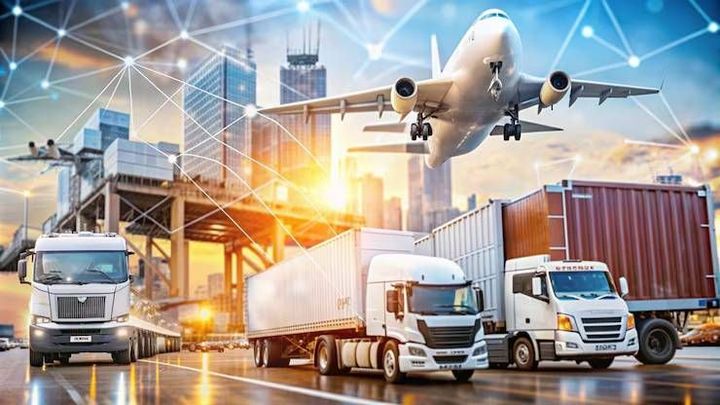
Digital platforms increasingly connect shipment information, transportation schedules, documentation, tracking data, and warehouse records. Electronic documentation can reduce reliance on paper records and make information easier to share between authorized participants.
Tracking technologies can provide information about shipment location and movement. Depending on the system, data may come from GPS devices, container sensors, vehicle telematics, port systems, or logistics management platforms.
Digital visibility does not mean that every shipment can be tracked continuously. Coverage depends on the equipment, transportation mode, geographic area, connectivity, and systems used by the organizations involved.
Automation in Logistics
Warehouses and cargo terminals are increasingly using automated equipment for selected handling activities. Automated guided vehicles, robotic systems, conveyor networks, automated storage equipment, and computerized sorting systems can move cargo within controlled environments.
Artificial intelligence and data-analysis technologies are also being used for demand forecasting, route planning, inventory analysis, equipment monitoring, and logistics decision support. These systems depend on suitable data and still require human oversight.
Supply-Chain Resilience
Recent disruptions to transportation networks have increased attention to supply-chain resilience. Organizations may examine alternative transportation routes, multiple suppliers, additional inventory buffers, regional distribution facilities, and different transportation modes.
The objective is to understand how a disruption in one part of a logistics network could affect other stages. Planning approaches vary according to cargo type, industry, geography, and operational requirements.
Environmental Considerations
Freight transportation contributes to energy consumption and emissions, making environmental performance an increasingly important consideration. Transportation operators and logistics planners are examining fuel efficiency, route optimization, alternative fuels, electrification, renewable energy, and other approaches.
The suitability of each approach depends on vehicle type, route length, cargo requirements, infrastructure, and available technology. Maritime shipping, aviation, rail, and road transportation each have different technical characteristics.
Laws or Policies
Freight and shipping are influenced by transportation laws, customs requirements, trade rules, safety regulations, environmental requirements, and cargo-specific controls. The applicable rules depend on the countries involved, transportation mode, cargo classification, and route.
Customs and Trade Documentation
International shipments generally require documentation identifying the cargo, parties involved, origin, destination, and applicable trade information. Customs authorities may examine documentation and cargo according to national requirements.
Common documents can include commercial invoices, packing information, transport documents, certificates, permits, and customs declarations. The exact documentation depends on the shipment and jurisdictions involved.
Cargo Safety
Certain cargo categories require additional controls. Hazardous materials, temperature-sensitive goods, live animals, food products, pharmaceuticals, chemicals, and oversized equipment can each have specialized transportation requirements.
Packaging, labeling, documentation, segregation, handling, and emergency procedures may be regulated for specific categories. Transport operators must follow the requirements applicable to the cargo and transportation mode.
International Shipping Rules
Maritime freight is influenced by international frameworks concerning vessel safety, cargo handling, marine pollution prevention, container standards, and crew protection. Aviation cargo is subject to separate international and national aviation requirements.
Road and rail freight are generally governed by national or regional transportation rules, with additional requirements potentially applying to cross-border movement. Because regulations differ, shipment planning needs to account for the specific route and cargo.
Tools and Resources
Freight planning involves several digital and physical resources. Transportation management systems can organize shipment information, carrier assignments, route details, delivery schedules, and transportation records.
Freight calculators can help estimate shipment dimensions, volumetric weight, container utilization, or transportation requirements. Their calculations depend on the assumptions and formulas used by each platform.
Useful logistics resources include:
Freight rate calculators
Container dimension references
Cargo weight calculators
Shipment tracking platforms
Transportation management systems
Warehouse management systems
Route-planning software
Customs documentation templates
Packing lists
Cargo classification references
Inventory planning tools
Fleet telematics platforms
A simplified comparison of transportation modes is shown below:
| Transportation Mode | Typical Cargo Role | Main Consideration |
|---|---|---|
| Road | Local and regional freight | Route accessibility |
| Rail | Inland bulk and container cargo | Rail network availability |
| Maritime | International large-volume cargo | Port and sailing schedules |
| Air | Time-sensitive cargo | Capacity and flight schedules |
| Pipeline | Liquids and gases | Specialized infrastructure |
| Multimodal | Combined transportation | Coordination between modes |
Freight Documentation
Accurate documentation is an important part of cargo transportation. Shipment records can include cargo descriptions, weights, dimensions, quantities, origin information, destination details, and handling instructions.
Electronic documentation systems can connect information across logistics participants. Consistent data helps reduce confusion when cargo passes between transportation modes or facilities.
Tracking and Visibility
Tracking platforms can display shipment milestones such as pickup, terminal arrival, loading, departure, transfer, and delivery. Some systems provide location information, while others primarily show status events.
Cargo visibility is particularly useful when shipments pass through multiple facilities. However, tracking accuracy depends on the technology and information supplied by transportation and logistics participants.
FAQs
What is freight and shipping?
Freight refers to goods transported from one location to another, while shipping commonly describes the transportation process, particularly by sea. In broader logistics usage, shipping can also refer to organized cargo movement through different transportation modes.
What are the main types of freight transportation?
The major transportation modes are road, rail, maritime, air, and pipeline transportation. Multimodal logistics combines two or more modes to move cargo between origin and destination.
How does international freight shipping work?
International freight can involve cargo preparation, inland transportation, terminal handling, customs documentation, international transportation, destination processing, and final delivery. The exact process depends on the cargo, route, countries involved, and transportation modes.
What documents are needed for freight shipping?
Documents vary by shipment, but international cargo may require commercial invoices, packing information, transport documents, customs declarations, certificates, permits, and cargo-specific documentation.
How is freight cargo tracked?
Cargo can be tracked through shipment references, GPS equipment, vehicle telematics, container sensors, terminal systems, and logistics platforms. The available tracking information depends on the transportation system and technology used.
Conclusion
Freight and shipping connect manufacturers, suppliers, warehouses, ports, distribution networks, businesses, and consumers through coordinated cargo transportation. Road, rail, maritime, air, pipeline, and multimodal systems each have different characteristics and applications. Recent developments include digital documentation, shipment tracking, warehouse automation, data analysis, and increased attention to supply-chain resilience and environmental factors. Customs procedures, cargo classifications, transportation rules, and safety requirements vary according to the shipment and jurisdictions involved.