Learn About Insulation Blower Rentals for Efficient Insulation Installation
Insulation blower rentals are commonly used when loose-fill insulation needs to be distributed across attics, walls, ceilings, or other building areas. An insulation blower is a machine that moves insulation material through a hose so it can be placed more evenly than with simple hand placement.
Understanding insulation blower rentals can help homeowners and building occupants learn how these machines work, what materials they handle, and what factors influence their use. The equipment is available in different sizes and configurations, making it important to understand the relationship between the machine, insulation material, installation area, and project requirements.
Context
What Is an Insulation Blower
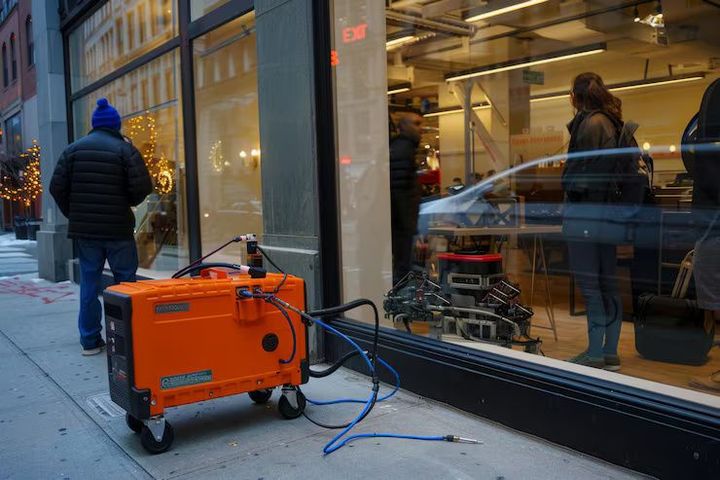
An insulation blower is mechanical equipment designed to transport loose insulation through an air-driven system. The machine generally has a hopper where insulation material is loaded, a mechanical system that separates or loosens the material, and a blower that moves it through a flexible hose.
The insulation travels through the hose toward the installation area. Depending on the equipment design and material, the operator may control the airflow and material feed to create a consistent layer.
Insulation blowers are commonly associated with cellulose and fiberglass loose-fill insulation. Some machines are designed for specific materials, while others can accommodate several types within their operating specifications.
How Insulation Blower Rentals Work
Insulation blower rentals allow equipment to be used for a particular installation period without requiring long-term ownership of the machine. The rental arrangement generally involves selecting appropriate equipment, reviewing operating instructions, preparing the work area, and returning the machine after use.
The process normally involves several stages:
- The insulation material is prepared according to its packaging and installation instructions.
- The material is placed into the machine hopper.
- The blower separates and moves the insulation through the hose.
- The material is directed into the required cavity or surface area.
- The installed insulation is checked for appropriate coverage and depth.
The actual procedure varies according to insulation type, equipment design, and building construction.
Where Insulation Blowers Are Used
Insulation blowers can be used in several areas of residential and commercial buildings. Attics are a common application because loose-fill insulation can be distributed over large horizontal surfaces.
Other applications can include enclosed wall cavities, ceilings, floors, and areas where manually placing loose insulation would be difficult. Some machines are also configured for dense-pack applications, where insulation is introduced into enclosed spaces at a specified density.
Importance
Why Insulation Installation Matters
Insulation helps slow the movement of heat between areas with different temperatures. In buildings, appropriate insulation can contribute to more stable indoor temperatures and can reduce the amount of heat transferred through roofs, walls, ceilings, and floors.
The performance of insulation depends on several factors, including material type, thickness, density, installation quality, moisture conditions, and the design of the building envelope.
Why Blower Equipment Is Useful
Loose-fill insulation can be difficult to distribute evenly by hand, especially across large areas or into narrow cavities. A blower provides a controlled method for moving the material through a hose and placing it in locations that may otherwise be difficult to reach.
Proper equipment selection also matters because an undersized or incompatible machine may not handle a particular insulation material correctly. Manufacturer specifications should therefore be reviewed before operation.
Who Uses Insulation Blower Rentals
Insulation blower rentals can be relevant to homeowners, building maintenance teams, renovation workers, and insulation installers. People involved in attic improvements or wall insulation projects may encounter this equipment when planning how loose-fill material will be distributed.
The machine itself does not determine the final insulation performance. Installation technique, material specifications, ventilation, moisture control, and building conditions also influence the result.
Common Challenges
Several practical issues can affect insulation installation:
- Uneven material distribution can create areas with different insulation depths.
- Restricted access can make certain cavities difficult to fill.
- Moisture can affect some insulation materials and building components.
- Incorrect machine settings may influence material flow.
- Inadequate ventilation around roof areas can create building-related problems.
- Protective equipment may be necessary when handling loose insulation.
Following the insulation manufacturer's instructions and the equipment manufacturer's operating guidance helps reduce avoidable problems.
Recent Updates
Equipment Trends From 2024 to 2026
Recent insulation equipment development has generally focused on easier material handling, improved airflow control, greater portability, and more consistent material feeding. Compact machines are useful where access or transportation is limited, while larger units can be designed for higher-volume applications.
Manufacturers have also continued developing systems with adjustable controls. These controls can help operators adapt airflow and material movement to different insulation types and installation conditions.
Greater Attention to Energy Efficiency
Building efficiency has remained an important topic in construction and renovation. Insulation is one part of a wider building-envelope approach that can also include air sealing, efficient windows, roof design, moisture management, and ventilation.
This broader approach has increased attention toward accurate insulation placement rather than simply adding material without considering the building's overall design.
Digital Planning Tools
Digital calculators and installation guides have also become more common. These resources can help estimate insulation quantities, determine approximate coverage, and understand recommended material depth.
However, calculators should be treated as planning tools rather than substitutes for manufacturer specifications or building-specific assessments.
Laws or Policies
Building Requirements
Insulation installation can be affected by building codes, energy-efficiency requirements, fire-safety provisions, and ventilation rules. Requirements differ substantially between countries, regions, and building types.
Because no specific target country was provided, the general principle is that applicable local building requirements should be checked before insulation work begins. Rules may specify insulation performance, fire characteristics, moisture control, ventilation, or installation methods.
Government Energy Programs
Some governments have programs intended to encourage building energy improvements. Eligibility requirements, technical criteria, and documentation can vary according to location and program design.
People researching insulation blower rentals should distinguish between equipment-rental arrangements and government programs. A program may address insulation improvements without specifying a particular machine or rental arrangement.
Workplace and Safety Rules
Where insulation installation is performed by workers, occupational safety requirements may apply. These can include rules concerning protective equipment, electrical safety, ventilation, equipment operation, and exposure to airborne particles.
Equipment manuals and insulation packaging should be reviewed for handling instructions. Personal protective equipment may include gloves, eye protection, suitable clothing, and respiratory protection depending on the material and surrounding conditions.
Tools and Resources
Insulation Coverage Calculators
Insulation calculators can help estimate the quantity of loose-fill material required for a particular area. They commonly use measurements such as surface area, desired insulation depth, and material characteristics.
The calculation should be compared with the manufacturer's coverage information because different materials have different densities and installation requirements.
Manufacturer Installation Guides
Manufacturer documentation is an important resource when using insulation blower rentals. Product instructions can explain recommended machine settings, material loading, hose arrangements, coverage information, and handling precautions.
These documents can also identify whether a particular insulation material is compatible with a specific blower.
Building-Envelope Resources
Building science resources can help readers understand how insulation interacts with air movement, moisture, ventilation, and heat transfer. These resources are useful because insulation performance depends on more than material thickness alone.
Equipment Checklists
A simple checklist can help organize an insulation blower project. Useful items to review include:
- Insulation material compatibility
- Machine capacity
- Hose length and diameter
- Electrical requirements
- Hopper capacity
- Airflow controls
- Protective equipment
- Installation depth requirements
- Attic or wall access
- Ventilation conditions
- Manufacturer operating instructions
A checklist can reduce the likelihood of overlooking equipment or preparation requirements.
FAQs
What Are Insulation Blower Rentals Used For?
Insulation blower rentals are used to provide temporary access to equipment that moves loose-fill insulation through a hose. They are commonly associated with attic, wall, ceiling, and other insulation installation applications.
How Does an Insulation Blower Work?
An insulation blower uses a hopper, material-feeding mechanism, and air blower to move loose insulation through a hose. The operator directs the hose toward the installation area while adjusting the equipment according to the material and manufacturer's instructions.
What Materials Can Insulation Blowers Handle?
Many insulation blowers are designed for materials such as loose-fill cellulose or fiberglass. Compatibility varies between machines, so the equipment specifications should be checked before a particular material is loaded.
How Do I Choose Insulation Blower Rentals?
The appropriate insulation blower rentals depend on the insulation material, installation area, required hose length, machine capacity, electrical requirements, and installation method. Manufacturer specifications provide the technical information needed for comparison.
Are Insulation Blowers Suitable for Attic Insulation?
Insulation blowers are commonly used for attic insulation because they can distribute loose-fill material across broad areas and into locations that may be difficult to reach manually. The required insulation depth and installation method depend on the material and building requirements.
Conclusion
Insulation blower rentals provide temporary access to equipment designed to distribute loose-fill insulation through controlled airflow and material feeding. Understanding machine compatibility, insulation characteristics, installation conditions, and safety requirements is important before using this type of equipment. Building codes, manufacturer instructions, ventilation, moisture management, and insulation coverage should all be considered as part of the installation process. Current equipment trends continue to emphasize portability, control, material handling, and practical planning tools.