Food Processing Explained: Methods, Equipment, Applications, Benefits and Safety Considerations
Food processing is the collection of methods used to transform raw agricultural ingredients into foods that are easier to prepare, store, transport, or consume. Food processing methods range from simple activities such as washing, cutting, drying, and grinding to controlled processes such as pasteurization, freezing, fermentation, and thermal treatment. Food processing equipment helps carry out these activities consistently while supporting hygiene and quality control.
Context
What Food Processing Means
Food processing has existed for thousands of years. People have traditionally used drying, salting, smoking, fermentation, and other methods to preserve foods and make seasonal ingredients available for longer periods. Modern food processing builds on these practices by using controlled temperatures, specialized equipment, packaging systems, and monitoring procedures.
The basic purpose is to change raw ingredients into forms that can be handled more safely and conveniently. Fruits may be washed, cut, dried, or converted into pulp. Grains may be cleaned and milled, while milk can undergo heat treatment before packaging.
Common Food Processing Methods
Different foods require different processing approaches. Some methods mainly affect texture or convenience, while others are designed to reduce microorganisms or slow deterioration.
Common methods include:
- Washing and cleaning: Removes soil, debris, and unwanted material from raw ingredients.
- Cutting and grinding: Changes the physical size and shape of ingredients.
- Drying: Removes moisture to help slow microbial growth and deterioration.
- Freezing: Reduces temperature and slows many chemical and biological changes.
- Heating: Uses controlled temperatures to reduce microorganisms or change food characteristics.
- Pasteurization: Applies controlled heat for a defined period to reduce certain harmful microorganisms.
- Fermentation: Uses microorganisms to create changes in foods such as yogurt, fermented vegetables, and some grain products.
- Packaging: Protects processed food from contamination, moisture, oxygen, light, and physical damage.
Food Processing Equipment
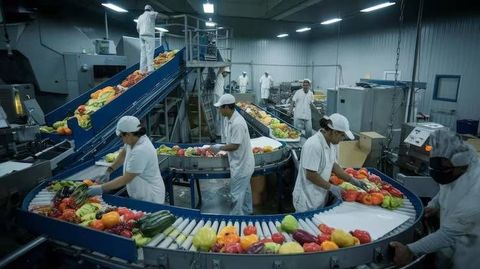
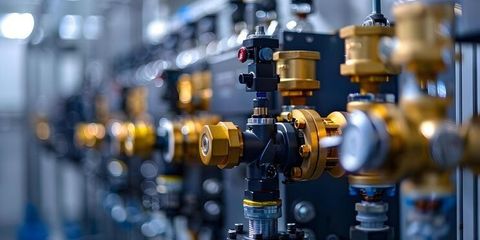
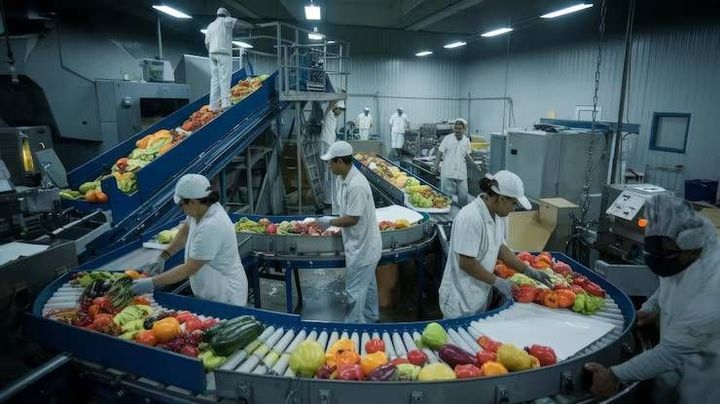
Food processing equipment varies according to the ingredient and processing method. Common equipment includes washers, conveyors, cutters, grinders, mixers, blenders, dryers, pasteurizers, boilers, refrigeration systems, filling machines, sealing equipment, and packaging machines.
Equipment selection depends on factors such as food type, processing temperature, production volume, cleaning requirements, and the characteristics of the final product.
Importance
Why Food Processing Matters
Food processing plays a role in everyday food systems because raw agricultural products are often seasonal, perishable, and difficult to transport in their original form. Processing can change their physical characteristics and make them suitable for different storage and distribution conditions.
Processing can also help reduce food losses when appropriate methods are used. The Ministry of Food Processing Industries notes that greater levels of food processing can support value addition, reduce wastage, and contribute to food security and agricultural supply chains.
Everyday Applications
Food processing appears in many familiar foods and ingredients. Bread, breakfast cereals, canned vegetables, frozen foods, dairy products, fruit juices, sauces, packaged grains, snacks, and ready-to-cook ingredients all involve one or more processing steps.
The sector also affects restaurants, institutional kitchens, food manufacturers, farmers, transport systems, retailers, and households. For consumers, processing can influence shelf life, texture, preparation time, packaging, and nutritional characteristics.
Benefits and Considerations
Food processing can provide several practical benefits, although the result depends on the method used.
These may include:
- Longer storage periods for suitable foods
- Easier preparation and handling
- More consistent product characteristics
- Improved transport and distribution
- Reduced exposure to some forms of contamination when appropriate controls are followed
- Greater use of seasonal agricultural ingredients
Processing does not automatically make every food healthier or safer. Temperature, ingredients, additives, packaging, hygiene, storage conditions, and processing intensity all influence the final product.
Recent Updates
Technology and Automation
From 2024 through 2026, food processing has continued moving toward greater automation, monitoring, traceability, and resource efficiency. Digital sensors and automated controls are increasingly used to monitor temperature, pressure, moisture, flow, and other processing conditions.
Automation can help operators monitor repetitive processes more consistently. Data collection is also becoming more important for tracking production conditions and identifying changes that may require investigation.
Packaging Developments
Packaging has received increasing attention because it affects food protection, shelf life, waste, and environmental considerations. In India, FSSAI made amendments concerning recycled plastics in food packaging during 2025, while additional packaging-related regulatory activity continued during 2026.
FSSAI also published a 2025 draft concerning certain substances in food-contact materials, including provisions related to PFAS and BPA. Draft regulations should be distinguished from final requirements because proposals can change during the regulatory process.
Processing Sector Development
India's food processing sector has continued to receive policy attention through infrastructure, cold-chain, processing, and value-addition programs. The Ministry of Food Processing Industries continues to publish information on schemes such as PMKSY and other food-processing initiatives.
Laws or Policies
Food Safety Rules in India
In India, food businesses are regulated under the Food Safety and Standards Act, 2006, with the Food Safety and Standards Authority of India responsible for developing and administering food safety standards. The regulatory framework covers areas such as licensing, food standards, additives, contaminants, packaging, labelling, and advertising claims.
Food businesses may need appropriate registration or licensing depending on their activities and applicable requirements. Food products must also meet relevant standards concerning composition, safety, contaminants, additives, and other regulated characteristics.
Labelling and Packaging
The Food Safety and Standards (Labelling and Display) Regulations, 2020 establish requirements for information presented on food labels. FSSAI's regulatory record shows amendments to these rules in 2025 and 2026.
Packaging materials that come into contact with food are also subject to specific requirements. These rules are intended to help ensure that packaging does not create unacceptable risks to food safety.
Government Programs
India also operates government programs connected with food processing infrastructure, cold chains, value addition, and processing capacity. These programs can change over time, so current eligibility and implementation requirements should be checked through official government sources rather than assumed from older information.
Tools and Resources
Food Safety Resources
The FSSAI website provides regulations, notifications, standards, guidance material, and information related to food safety. Its product standards cover areas such as food additives, contaminants, packaging, labelling, and specialized food categories.
The Ministry of Food Processing Industries provides information about food processing schemes, reports, guidelines, and sector developments. Its annual reports can help readers understand broader changes in India's food processing sector.
Useful Processing Tools
For educational or operational planning, several tools can help explain food processing activities. These include temperature monitoring systems, weighing scales, moisture meters, batch records, cleaning checklists, process-flow diagrams, inventory records, and food safety management documentation.
A basic process-flow diagram can show each stage from receiving raw ingredients through cleaning, processing, packaging, storage, and distribution. Such diagrams can make it easier to identify points where temperature, hygiene, contamination, or handling conditions require attention.
FAQs
What is food processing?
Food processing is the use of physical, chemical, biological, or thermal methods to transform raw ingredients into foods that are easier to store, prepare, transport, or consume.
What are common food processing methods?
Common methods include washing, cutting, grinding, drying, freezing, heating, pasteurization, fermentation, and packaging. The appropriate method depends on the type of food and the intended result.
What equipment is used in food processing?
Food processing equipment can include washers, conveyors, cutters, grinders, mixers, dryers, pasteurizers, refrigeration systems, filling machines, sealing equipment, and packaging machinery.
Why is food safety important in food processing?
Food safety is important because contamination can occur during handling, processing, storage, or packaging. Hygiene, temperature control, suitable equipment, sanitation, and regulatory compliance are important parts of food safety management.
What are the main food processing regulations in India?
India's food processing activities are governed by the Food Safety and Standards Act and related FSSAI regulations covering licensing, food standards, additives, contaminants, packaging, labelling, and other safety requirements.
Conclusion
Food processing transforms raw ingredients through methods such as cleaning, heating, drying, freezing, fermentation, and packaging. Food processing equipment supports these activities while helping control important conditions such as temperature, hygiene, and handling. Recent developments have placed greater attention on automation, monitoring, packaging materials, traceability, and food safety. In India, these activities operate within a regulatory framework administered through FSSAI and related government programs.

You May Also Like