Explore Water Treatment Plants With Modern Purification Systems and Engineering Details
Water treatment plants are engineered facilities designed to improve the physical, chemical, and biological quality of water. They can process water from rivers, reservoirs, groundwater sources, industrial streams, or municipal collection systems, depending on their purpose. A water treatment plant may prepare water for drinking, industrial processes, agriculture, environmental discharge, or reuse.
The development of water treatment plants comes from the need to manage naturally occurring impurities and contamination introduced through human activities. Suspended particles, microorganisms, dissolved minerals, organic compounds, and other substances can affect water quality. Modern purification systems therefore combine several treatment stages rather than relying on one process.
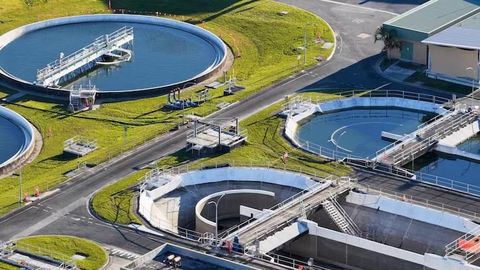
A typical municipal water treatment system may include intake structures, screening, coagulation, flocculation, sedimentation, filtration, disinfection, storage, and distribution. Industrial facilities can use additional processes such as membrane filtration, reverse osmosis, ion exchange, activated carbon treatment, and advanced oxidation.
How a Water Treatment Plant Works
The treatment sequence depends on the source water and the intended application. Engineers first assess water characteristics and then select appropriate treatment technologies.
Common stages include:
- Screening removes larger materials such as leaves, plastics, and other debris.
- Coagulation helps small suspended particles form larger groups.
- Flocculation encourages these particles to combine into removable flocs.
- Sedimentation allows heavier particles to settle.
- Filtration captures smaller suspended materials.
- Membrane treatment separates dissolved substances and microorganisms according to membrane characteristics.
- Disinfection reduces microorganisms through processes such as ultraviolet treatment, ozone, or approved disinfectants.
- Storage and monitoring help maintain treated-water quality before its intended use.
Wastewater treatment plants follow a different sequence because incoming water contains organic matter, nutrients, solids, and other contaminants. Biological treatment, clarification, sludge processing, and tertiary purification can form part of the system.
Main Types of Water Treatment Plants
Water treatment facilities can be categorized according to their purpose and source.
| Treatment Plant Type | Main Purpose | Common Technologies |
|---|---|---|
| Drinking Water Plant | Produces treated water for human consumption | Filtration, coagulation, disinfection |
| Wastewater Plant | Treats used water before discharge or reuse | Biological treatment, clarification |
| Industrial Water Plant | Prepares water for manufacturing processes | RO, filtration, ion exchange |
| Desalination Plant | Removes dissolved salts from seawater or brackish water | Reverse osmosis, pretreatment |
| Water Reuse Plant | Further treats water for approved reuse applications | Membranes, disinfection, advanced treatment |
| Package Treatment Plant | Provides compact treatment in suitable applications | Modular filtration and biological systems |
Importance
Water treatment plants affect communities, industries, infrastructure, and ecosystems. Reliable water purification helps manage contaminants before water reaches its intended destination. The quality requirements vary significantly between drinking water, industrial process water, irrigation applications, and treated wastewater.
Protecting Public Water Quality
For drinking-water systems, treatment is designed to control microorganisms, suspended matter, chemical contaminants, and other substances that may affect water quality. Multiple barriers are commonly used because different treatment stages address different types of contaminants.
Monitoring is equally important. Operators may measure parameters such as turbidity, pH, conductivity, temperature, dissolved substances, and microbiological indicators. The exact parameters depend on the source and regulatory requirements.
Supporting Industrial Processes
Many manufacturing processes require water with specific characteristics. Boiler systems, cooling equipment, electronics production, food processing, chemical manufacturing, pharmaceutical production, and other industries can have different water-quality requirements.
Industrial water treatment systems may therefore combine several technologies. Reverse osmosis systems can reduce many dissolved substances, while ion exchange can target particular ionic compounds. Activated carbon can be used for certain organic compounds and chlorine-related treatment requirements.
Managing Wastewater
Wastewater treatment addresses water discharged from homes, commercial buildings, and industrial facilities. Primary treatment generally focuses on physical separation, while secondary treatment often uses microorganisms to reduce biodegradable organic matter.
Tertiary or advanced treatment can provide additional purification when required. Treated water may then be discharged under applicable requirements or directed toward approved reuse applications.
Addressing Water Scarcity
Water reuse and desalination have become increasingly important parts of water-management planning. Advanced membrane systems can support the treatment of seawater, brackish water, and wastewater for specific applications.
However, these systems require appropriate pretreatment, energy management, membrane monitoring, and management of concentrated residual streams. Engineering decisions must consider the characteristics of the source water and the intended quality of the treated water.
Recent Updates
Water treatment technology has continued to develop through greater automation, improved monitoring, membrane innovation, energy-management techniques, and resource recovery. From 2024 through 2026, the broader direction of the industry has focused on making treatment systems more measurable, adaptable, and efficient.
Digital Monitoring and Automation
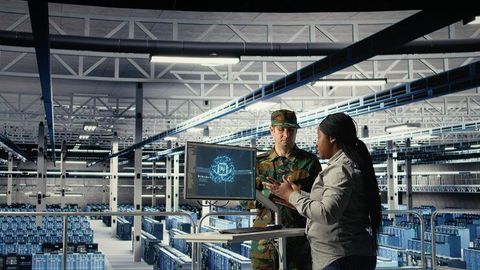
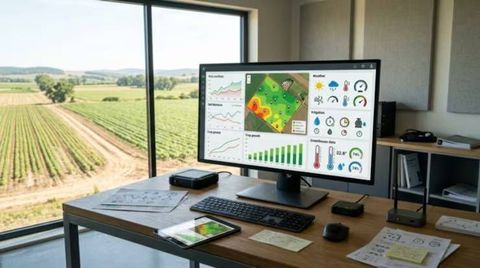
Modern treatment facilities increasingly use sensors, programmable control systems, supervisory platforms, and automated dosing equipment. These systems can continuously monitor selected water-quality and operating parameters.
Digital monitoring can help operators identify changes in flow, pressure, turbidity, membrane performance, and chemical conditions. Data analysis can also support maintenance planning and process optimization.
Advanced Membrane Systems
Membrane technology remains important for desalination, wastewater reuse, and high-purity industrial water applications. Reverse osmosis, nanofiltration, ultrafiltration, and microfiltration provide different separation characteristics.
Current engineering work increasingly considers membrane fouling, energy consumption, pretreatment requirements, cleaning cycles, and concentrate management when designing systems.
Resource Recovery
Wastewater is increasingly viewed as a potential source of recoverable resources rather than only a waste stream. Treatment plants can incorporate processes for recovering biogas, nutrients, water, and other useful materials where technically and economically appropriate.
Sludge management is also receiving greater attention because treatment generates residual materials that require controlled handling, processing, and final management.
Energy and Operational Efficiency
Water treatment can require substantial pumping, aeration, heating, pressurization, and chemical processing. Engineers are therefore examining equipment efficiency, variable-speed pumping, process control, energy recovery, and optimized aeration.
Desalination facilities, for example, can incorporate energy-recovery equipment to reduce the energy associated with high-pressure membrane operation.
Laws or Policies
Water treatment plants operate within regulatory frameworks that vary according to the country, water source, treatment purpose, and final use. Drinking-water facilities generally have requirements related to microbiological quality, chemical parameters, monitoring, reporting, and operational control.
Wastewater facilities are commonly governed by discharge requirements that specify acceptable levels for pollutants such as suspended solids, organic matter, nutrients, and selected chemicals. Industrial facilities may face additional requirements depending on the materials used in their processes.
Drinking Water Requirements
Regulatory frameworks commonly establish limits or treatment objectives for contaminants that may affect public health or water quality. Treatment plants must demonstrate compliance through sampling, laboratory analysis, operational records, and other monitoring procedures established by the applicable authority.
Wastewater Discharge Requirements
Wastewater regulations can specify conditions for releasing treated water into rivers, lakes, coastal waters, groundwater systems, or other receiving environments. Requirements can differ according to the receiving environment and type of discharge.
Industrial Compliance
Industrial water treatment systems may need to address pollutants associated with specific manufacturing activities. Facilities can be required to monitor wastewater characteristics, maintain treatment equipment, document operating conditions, and meet discharge requirements.
Because regulations differ by jurisdiction, engineers normally design and operate treatment systems according to the applicable local legal framework rather than applying one universal standard.
Tools and Resources
Several technical tools help engineers, operators, students, and facility planners understand water treatment systems.
Water Quality Calculators
Water-quality calculators can help estimate parameters such as chemical concentrations, dilution ratios, hydraulic loading, and selected treatment requirements. Their results should be interpreted according to the assumptions and units used.
Process Simulation Tools
Engineering software can model hydraulic flow, filtration, membrane performance, biological treatment, and chemical processes. Simulation can help evaluate how changes in flow or operating conditions may influence treatment performance.
Laboratory Testing
Laboratory analysis remains an important resource for determining the characteristics of source and treated water. Typical testing may include pH, turbidity, conductivity, total dissolved solids, hardness, nutrients, organic indicators, and microbiological parameters.
Technical Templates
Treatment-plant operators may use process-flow diagrams, equipment schedules, inspection checklists, sampling records, maintenance logs, and water-quality monitoring templates. These documents help organize operational information and support consistent recordkeeping.
FAQs
What is a water treatment plant?
A water treatment plant is an engineered facility that processes water to reduce or remove selected contaminants. The treatment sequence depends on the water source and the intended application.
How does a water treatment plant purify water?
A water treatment plant can use several stages, including screening, coagulation, sedimentation, filtration, membrane separation, and disinfection. Not every facility uses every stage.
What purification systems are used in modern water treatment plants?
Modern purification systems can include sand or multimedia filtration, activated carbon, ultrafiltration, nanofiltration, reverse osmosis, ion exchange, ultraviolet treatment, ozone, and other processes.
What is the difference between drinking water and wastewater treatment plants?
Drinking water treatment generally prepares source water for human consumption, while wastewater treatment processes used water before discharge or approved reuse. Their treatment objectives and process configurations are therefore different.
Why is reverse osmosis used in water treatment plants?
Reverse osmosis uses a semipermeable membrane and pressure to separate water from many dissolved substances. It is widely used for desalination, water reuse, and applications requiring reduced dissolved-solids concentrations.
Conclusion
Water treatment plants combine physical, chemical, biological, and membrane-based processes to manage different water-quality challenges. Modern facilities increasingly incorporate digital monitoring, advanced purification systems, resource recovery, and energy-management technologies. Regulatory requirements continue to shape how drinking water, wastewater, industrial water, and reuse systems are designed and operated. Understanding the treatment stages and engineering principles provides a useful foundation for evaluating how modern water purification systems function.