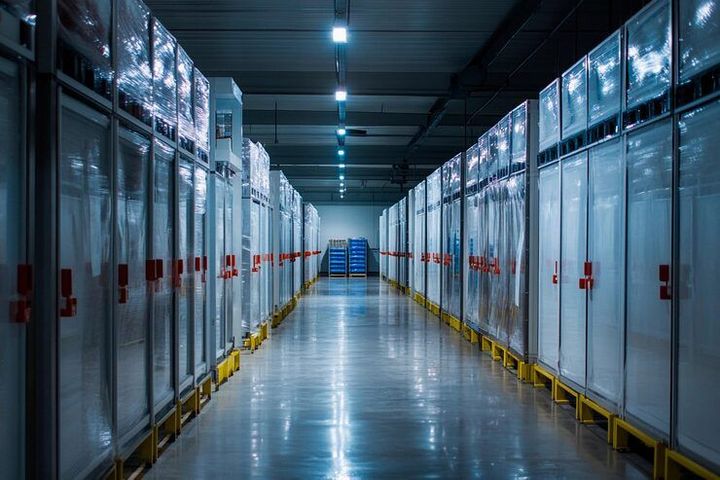
Explore Refrigerated Storage Logistics and Modern Cold Chain Operations
Refrigerated storage logistics refers to the planning and management of products that require controlled temperatures during storage, handling.
It is an important part of supply chains involving food, agricultural products, beverages, and other temperature-sensitive materials.
The process connects refrigerated warehouses, transport vehicles, monitoring equipment, and distribution centers. Each stage must follow suitable temperature requirements to reduce exposure to unfavorable environmental conditions.
How Cold Chain Operations Work
Cold chain operations begin when temperature-sensitive products are prepared for storage or transportation. Products are placed in suitable refrigerated environments before moving through different stages of the distribution network.
Typical activities include:
Receiving products and checking their condition.
Recording storage temperatures during inventory processing.
Maintaining suitable refrigeration conditions.
Organizing transportation schedules and delivery routes.
Monitoring products during transfers between facilities.
These activities help maintain consistency across the supply chain.
Importance of Refrigerated Storage and Distribution
Temperature management plays an important role in preserving product characteristics. Certain food products can experience changes in freshness, texture, and quality when exposed to unsuitable temperatures.
Commercial cold storage facilities provide controlled environments for products that require chilled or frozen conditions. Their capacity, equipment, and operating procedures depend on the types of materials being handled.
Supporting Food and Agricultural Supply Chains
Food distribution networks frequently depend on refrigerated warehouse logistics to manage products between production and retail locations. Dairy products, meat, seafood, frozen vegetables, and other perishable goods may require specific storage conditions.
Temperature controlled warehousing also helps businesses organize inventory according to product categories and storage requirements. Proper stock rotation can reduce unnecessary storage periods and improve warehouse organization.
Essential Components of Refrigerated Logistics
Refrigerated distribution depends on several interconnected systems. Each component contributes to maintaining suitable conditions throughout the movement of goods.
Refrigerated Warehouses
Warehouses provide designated spaces for chilled and frozen inventory. Their infrastructure may include insulated walls, refrigeration units, temperature sensors, loading areas, and organized storage sections.
Industrial refrigerated storage systems are designed according to capacity requirements, product characteristics, and operational conditions.
Refrigerated Transportation
Refrigerated truck transportation connects warehouses, processing facilities, distribution centers, and retail locations. Vehicles generally use insulated compartments and refrigeration equipment to maintain suitable internal conditions.
Refrigerated transportation companies coordinate vehicle availability, route planning, loading procedures, and delivery schedules. Equipment condition and transportation duration are important operational considerations.
Temperature Monitoring Technology
Monitoring systems help warehouse operators observe environmental conditions. Digital sensors and connected monitoring devices can record temperature readings and notify responsible personnel when readings move outside configured limits.
| Component | Main Function |
|---|---|
| Refrigeration units | Maintain controlled temperatures |
| Insulated panels | Reduce external heat transfer |
| Temperature sensors | Record environmental conditions |
| Inventory systems | Track stored products |
| Refrigerated vehicles | Transport temperature-sensitive goods |
Factors Affecting Cold Storage Operations
Several operational factors influence refrigerated storage performance. Understanding them helps organizations plan suitable warehouse and transportation arrangements.
Storage Capacity and Equipment
Available warehouse space must match inventory requirements. Businesses consider storage volume, refrigeration capacity, loading facilities, energy requirements, and product separation when planning their operations.
Cold storage warehouse pricing can vary according to location, temperature requirements, storage duration, facility capacity, and additional handling arrangements.
Transportation and Distribution Planning
Distribution planning involves selecting suitable vehicles, delivery schedules, and transportation routes. Longer journeys may require additional monitoring and coordination to maintain appropriate conditions.
Cold chain logistics solutions often combine warehouse management, transportation planning, inventory tracking, and temperature monitoring into one operational process.
Recent Developments in Refrigerated Storage Logistics
Technology is changing how refrigerated warehouses and transportation networks manage information. Automated inventory systems, digital temperature records, and connected sensors provide greater visibility into daily operations.
Some facilities also use energy management systems to monitor refrigeration performance and identify equipment operating patterns. These technologies can support maintenance planning and more organized warehouse management.
However, technology does not replace regular equipment inspections, trained personnel, or established handling procedures.
Challenges in Refrigerated Logistics
Cold chain operations involve several practical challenges, including energy consumption, equipment maintenance, transportation delays, and temperature variations.
Common considerations include:
Energy requirements: Refrigeration equipment requires continuous electricity during operation.
Equipment maintenance: Cooling systems need regular inspection and maintenance.
Transportation delays: Unexpected delays can complicate temperature management.
Inventory coordination: Different products may require separate storage conditions.
Monitoring accuracy: Sensors require appropriate placement and calibration.
Planning for these factors helps organizations maintain more consistent logistics operations.
Frequently Asked Questions
What is refrigerated storage logistics?
It involves managing temperature-sensitive products through controlled storage, transportation, handling, and distribution processes.
What products require refrigerated warehouse logistics?
Common examples include dairy products, meat, seafood, fresh produce, frozen foods, and selected pharmaceutical materials.
How does refrigerated transportation work?
Refrigerated vehicles use insulated compartments and cooling equipment to maintain suitable internal temperatures during transportation.
What affects cold storage warehouse pricing?
Factors include facility location, storage capacity, temperature requirements, inventory duration, energy consumption, and handling arrangements.
Why is temperature monitoring important?
Monitoring helps identify temperature variations and supports appropriate handling decisions throughout the cold chain.
Conclusion
Refrigerated storage logistics connects warehouses, transportation systems, monitoring technologies, and distribution networks. Its main purpose is to maintain suitable environmental conditions for temperature-sensitive products throughout the supply chain.
Understanding refrigeration equipment, inventory management, transportation planning, and monitoring practices provides a useful foundation for evaluating modern cold chain operations.