Explore Recycling Machinery With Advanced Sorting, Crushing, and Processing Technology
Recycling machinery refers to equipment used to collect, separate, reduce, clean, process, and prepare discarded materials for further use. These systems are found in recycling facilities, manufacturing operations, material recovery centers, construction waste facilities, and other processing environments.
The development of recycling machinery is closely connected with the growing volume and variety of discarded materials. Plastic, paper, cardboard, glass, metals, textiles, electronic components, wood, and construction materials can require different processing methods. A single machine cannot normally handle every material, so modern recycling operations often use several machines arranged into a processing line.
How Recycling Machinery Works
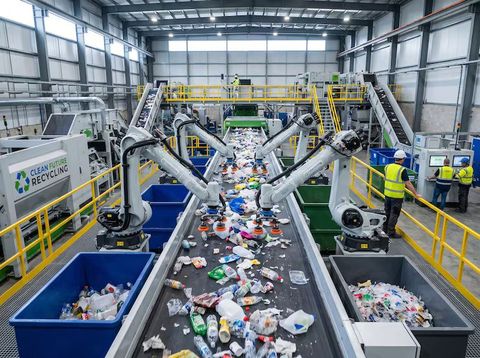
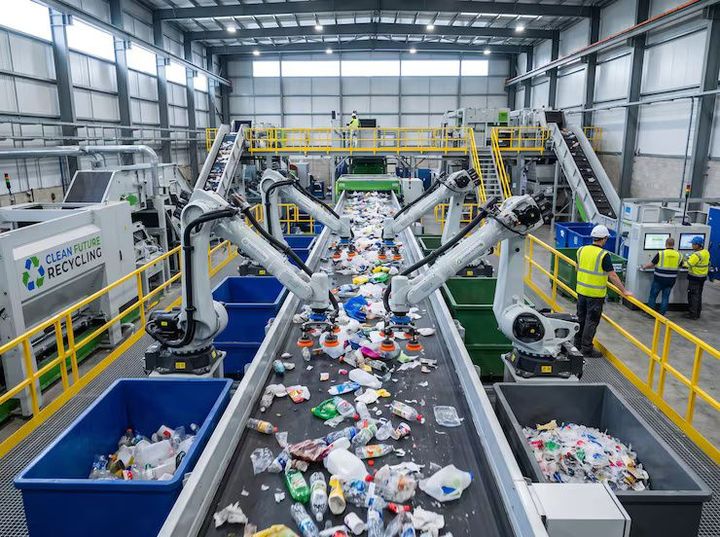
A typical recycling system may begin with receiving and feeding equipment. Conveyor systems move incoming materials through different stages, while sorting equipment separates materials according to characteristics such as size, weight, magnetic properties, shape, color, or material composition.
After sorting, materials can pass through crushing, shredding, washing, drying, compacting, or other processing stages. The exact arrangement depends on the material being handled and the quality requirements of the resulting material stream.
Common categories include:
- Sorting machines for separating different material types
- Recycling shredders for reducing large or bulky materials
- Recycling crushers for breaking materials into smaller pieces
- Granulators for producing more uniform particle sizes
- Washing systems for removing dirt and unwanted substances
- Magnetic separators for recovering ferrous metals
- Eddy current separators for separating certain non-ferrous metals
- Optical sorting systems for identifying selected materials
- Balers for compressing processed materials into manageable units
The combination of these technologies creates a recycling machinery system rather than relying on one piece of equipment.
Main Materials Processed
Different recycling machinery configurations are designed around particular material characteristics. Plastic recycling equipment, for example, may include sorting, shredding, washing, drying, and granulation stages. Metal recycling machinery may rely more heavily on crushing, magnetic separation, screening, and material recovery.
| Material | Common Processing Equipment | Typical Processing Purpose |
|---|---|---|
| Plastic | Shredder, washer, granulator | Size reduction and cleaning |
| Paper | Sorter, conveyor, baler | Separation and compression |
| Metals | Crusher, magnetic separator | Size reduction and metal recovery |
| Glass | Crusher, screen, separator | Size reduction and classification |
| Wood | Chipper, shredder, screen | Particle reduction |
| Construction waste | Crusher, screen, separator | Material separation and sizing |
| Textiles | Cutter, shredder, separator | Fiber and material preparation |
Processing requirements can vary considerably even within the same material category. Contamination levels, moisture, particle size, incoming material consistency, and desired output characteristics all influence equipment selection.
Importance
Recycling machinery matters because discarded materials are rarely presented in a clean and organized form. Household, commercial, industrial, and construction waste streams can contain mixtures of materials that need to be separated before further processing.
Mechanical processing can reduce the amount of manual sorting required for certain operations and can create more consistent material streams. Automated systems can also process large quantities of material through controlled stages, although human inspection and operational oversight may remain important.
Problems Addressed by Recycling Technology
One major challenge is mixed-material waste. A collection stream can contain plastics, metals, paper, glass, and other materials together. Sorting machinery helps divide these materials into separate streams so that each can follow an appropriate processing route.
Another challenge is material size. Large objects are difficult to handle in later processing stages. Recycling crushers and shredders reduce material dimensions, making subsequent screening, separation, and processing easier.
Contamination is another important issue. Dirt, labels, moisture, food residue, and other unwanted substances can affect material quality. Washing systems, screens, air separation, and other technologies can help remove selected contaminants.
Who Uses Recycling Machinery
Recycling machinery can be used across a wide range of environments, including:
- Municipal and commercial recycling facilities
- Plastic processing operations
- Metal recovery facilities
- Paper and cardboard processing plants
- Construction and demolition waste facilities
- Electronic waste processing operations
- Agricultural material recovery systems
- Manufacturing facilities with recyclable material streams
The scale of equipment can range from compact systems for specialized material streams to large integrated processing lines.
Environmental and Resource Considerations
Recycling technology is associated with resource recovery because processed materials may re-enter manufacturing or other material-use cycles. The actual environmental outcome depends on the material, energy requirements, transportation, contamination, processing efficiency, and what happens to recovered material afterward.
Recycling machinery itself also requires electricity, maintenance, replacement parts, and operational management. Therefore, evaluating an entire processing system involves more than looking at its sorting or crushing capability alone.
Recent Updates
From 2024 through 2026, recycling technology has continued moving toward greater automation, improved material identification, and more integrated processing systems. Optical sensors, machine vision, artificial intelligence, robotics, and data monitoring are increasingly associated with modern material sorting environments.
Smarter Sorting Systems
Advanced sorting equipment can use cameras, sensors, air jets, magnets, and other mechanisms to distinguish materials. Machine vision can help identify objects based on visual characteristics, while specialized sensors can detect differences that are difficult to recognize through ordinary visual inspection.
AI-assisted sorting is also becoming part of discussions around recycling automation. These systems can analyze material characteristics and support automated separation decisions. Their effectiveness depends on training data, sensor quality, material consistency, and system configuration.
Greater Process Integration
Another trend is the integration of several processing stages into connected recycling lines. Instead of treating sorting, crushing, washing, and screening as completely separate operations, facilities can combine them into coordinated workflows.
Digital monitoring can provide information about throughput, equipment status, operating conditions, and maintenance requirements. This can help operators understand how different stages of a recycling line interact.
Energy and Equipment Efficiency
Equipment development is also focusing on reducing unnecessary energy consumption and improving mechanical efficiency. Variable-speed drives, improved motor systems, optimized cutting mechanisms, and automated controls can influence how machinery operates under different loads.
The appropriate technology depends on the material stream and processing objective. A system designed for plastic film, for example, may require different machinery characteristics from a system processing metal containers or construction debris.
Laws or Policies
Recycling machinery is influenced by environmental regulations, waste-management rules, workplace safety requirements, emissions controls, and material-handling standards. Exact requirements differ between countries and may also vary by region or facility type.
Waste Classification Rules
Many regulatory systems distinguish between different categories of waste. Municipal waste, industrial waste, electronic waste, hazardous materials, construction debris, and other categories can be subject to different handling requirements.
Before processing equipment is installed, operators generally need to understand how incoming materials are legally classified and what processing activities are permitted.
Environmental Requirements
Facilities may need to address dust, noise, wastewater, air emissions, residue handling, and other environmental factors. Recycling machinery can generate dust and noise during crushing and shredding, while washing systems can generate wastewater that requires appropriate management.
The specific permits and technical requirements depend on the jurisdiction, facility size, material type, and processing method.
Workplace Safety
Recycling equipment also operates within workplace safety frameworks. Moving conveyors, rotating components, cutting mechanisms, compactors, and electrical systems can create physical hazards.
Common safety measures can include machine guarding, emergency stopping systems, access controls, operator training, inspection procedures, and maintenance protocols. Applicable requirements should be checked against the rules governing the specific facility location.
Tools and Resources
Several types of tools can help people understand, plan, and manage recycling machinery systems.
Equipment Specifications
Technical specification sheets can provide information about processing capacity, motor power, feed dimensions, output size, operating conditions, electrical requirements, and equipment configuration. Comparing these specifications helps explain how different machines are intended to function.
Material Flow Diagrams
Material flow diagrams are useful for understanding how materials move through a recycling line. A simple diagram may show receiving, conveying, sorting, crushing, screening, washing, drying, and final preparation stages.
Maintenance Records
Maintenance templates can track inspections, lubrication, component replacement, cleaning, repairs, operating hours, and equipment observations. Organized records can help identify recurring equipment issues and maintenance patterns.
Energy and Throughput Calculators
Basic calculators can estimate material throughput and energy use from operating information. These calculations should be treated as planning tools because actual performance depends on loading conditions, material characteristics, equipment configuration, and operating practices.
Digital Monitoring Platforms
Modern recycling facilities may use industrial monitoring systems to collect operating data. Depending on the installation, these platforms can display equipment status, production measurements, alarms, energy information, and maintenance indicators.
FAQs
What is recycling machinery?
Recycling machinery is a group of machines used to sort, reduce, clean, separate, screen, compress, and otherwise process discarded materials. Different machines are selected according to the material and desired processing outcome.
How does a recycling shredder work?
A recycling shredder uses rotating cutting or tearing mechanisms to reduce the size of incoming material. Shredders are available in different configurations for plastics, wood, textiles, electronic materials, and other streams.
What does a recycling crusher do?
A recycling crusher breaks larger materials into smaller pieces. Crushers can be used with materials such as glass, metals, concrete, and selected industrial waste streams, depending on the equipment design.
What technology is used in automated recycling sorting?
Automated recycling sorting can use conveyors, cameras, optical sensors, magnets, eddy current systems, air separation, and machine-learning technologies. The combination depends on the material being separated.
What factors affect recycling machinery selection?
Important factors include material type, incoming volume, contamination, moisture, particle size, desired output, available space, energy requirements, maintenance needs, safety requirements, and applicable environmental rules.
Conclusion
Recycling machinery combines sorting, crushing, shredding, screening, washing, separation, and other technologies to process different material streams. Recent developments have placed greater emphasis on automation, sensor-based identification, digital monitoring, and integrated processing lines. Regulations covering waste management, environmental protection, and workplace safety also influence how recycling equipment is designed and operated. Understanding the material, processing stages, equipment characteristics, and applicable requirements provides a foundation for evaluating modern recycling systems.