Explore Ocean Freight Forwarding With Global Shipping Routes and Port Logistics Information
Ocean freight forwarding is a major part of international trade, connecting manufacturers, exporters, importers, ports, warehouses, and inland transportation networks. It involves organizing the movement of cargo by sea, preparing shipping documentation, coordinating port activities, and tracking containers as they move between countries.
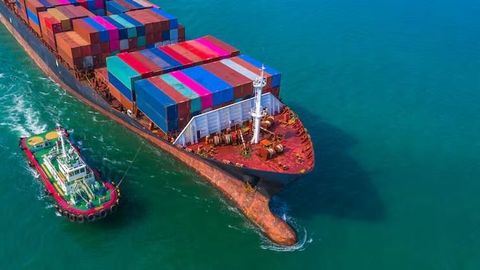
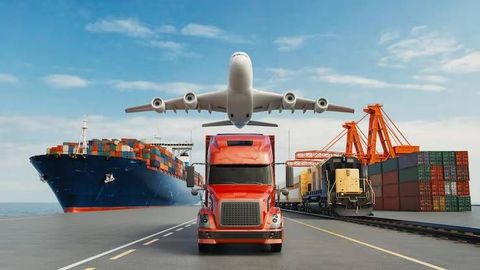
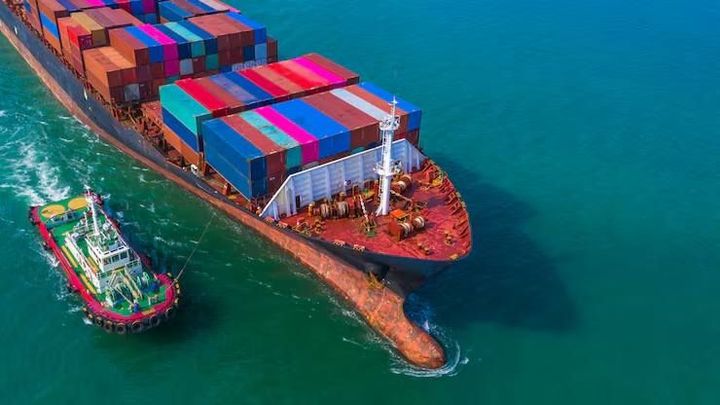
The system developed alongside the expansion of international maritime trade and containerization. Standardized shipping containers made it easier to transfer cargo between ships, trucks, rail networks, and warehouses without repeatedly handling individual packages. Today, container ships connect major production regions with consumer markets through established maritime corridors.
Ocean freight forwarding generally involves several stages. Cargo is prepared at the origin, transported to a port, processed through export procedures, loaded onto a vessel, transported across the ocean, discharged at the destination port, cleared through customs, and moved toward its final destination.
How the process works
A typical shipment can involve several participants:
- Exporters and importers that arrange the movement of goods
- Freight forwarders that coordinate transportation and documentation
- Ocean carriers that operate container vessels
- Port authorities that manage port infrastructure and vessel movements
- Customs authorities that inspect and process cargo documentation
- Terminal operators that handle containers
- Inland transport providers that connect ports with warehouses and distribution centers
A freight forwarder can coordinate multiple stages rather than focusing only on the ocean voyage. This coordination becomes particularly important when cargo passes through several ports or requires transfer between different transportation modes.
Major global shipping routes
Global shipping routes form interconnected networks rather than isolated journeys. Important corridors include Asia–Europe routes through the Suez Canal, trans-Pacific routes between Asia and North America, and routes linking Asia with markets around the Indian Ocean and Africa.
The Suez Canal provides a shorter connection between the Mediterranean and Indian Ocean regions, while the Panama Canal links Atlantic and Pacific maritime networks. When these corridors experience congestion, security concerns, or environmental restrictions, vessels may be redirected through longer routes.
The importance of these maritime chokepoints became particularly visible during disruptions affecting the Red Sea and Panama Canal. UN Trade and Development reported that more than 80% of international goods trade by volume is carried by sea, making maritime infrastructure important to global supply chains.
Importance
Ocean freight forwarding affects businesses, manufacturers, retailers, agricultural producers, technology companies, and consumers because many products depend on international movement before reaching their final markets.
The system also addresses practical logistics challenges. Cargo may travel thousands of kilometers, pass through multiple jurisdictions, and require several documents before reaching its destination. Coordinating these activities helps reduce administrative confusion and improves visibility across the transportation chain.
Why port logistics matters
Port logistics includes the movement of containers through terminals, vessel scheduling, cargo handling, customs procedures, storage areas, and connections to road or rail transportation.
Port congestion can create delays even when the ocean voyage itself is operating normally. A vessel may arrive at a port but wait for a berth, while containers may require additional time for inspection, terminal handling, or inland transportation.
Digital systems are increasingly important in this process. The International Maritime Organization requires Maritime Single Windows for electronic information exchange at ports under the Facilitation Convention. The requirement became mandatory from January 2024, supporting electronic coordination among ships, ports, and public authorities.
Common shipment types
Ocean freight forwarding can involve different cargo arrangements.
- Full Container Load, or FCL, uses a container primarily for one shipment.
- Less than Container Load, or LCL, combines cargo from multiple shipments in one container.
- Refrigerated containers are used for temperature-sensitive products.
- Dry containers handle many ordinary manufactured and packaged goods.
- Specialized equipment can be used for oversized or unusually shaped cargo.
The choice depends on cargo characteristics, shipment volume, handling requirements, route availability, and documentation requirements.
Basic logistics data
| Logistics element | Typical role |
|---|---|
| Container | Standardized unit for ocean cargo |
| Port of origin | Location where cargo enters the maritime network |
| Transshipment port | Port where cargo may transfer between vessels |
| Port of destination | Location where ocean transport ends |
| Bill of lading | Key transport and cargo document |
| Customs declaration | Information submitted to customs authorities |
| Vessel schedule | Planned arrival and departure information |
| Container tracking | Monitoring of shipment movement |
Recent Updates
Ocean freight forwarding has experienced significant changes from 2024 through 2026. Maritime disruptions, digitalization, environmental rules, vessel rerouting, and port congestion have all influenced how global shipping networks operate.
Route disruptions and rerouting
During 2024, security disruptions in the Red Sea caused many vessels to avoid the Suez Canal and travel around the Cape of Good Hope. UN Trade and Development reported substantial reductions in Suez and Gulf of Aden traffic, while vessel arrivals around the Cape of Good Hope increased. Longer routes affected sailing times, vessel capacity, fuel consumption, and port schedules.
The Panama Canal also experienced operational pressure related to low water levels. These developments demonstrated how climate conditions and geopolitical events can affect established global shipping routes simultaneously.
UN Trade and Development's 2025 maritime transport review described continued volatility in freight markets, route disruptions, port pressure, and changes in supply-chain reliability. It also noted that rerouting can extend voyages and reduce effective vessel capacity.
Digital port operations
Digitalization has become another major development. Maritime Single Windows allow information required for ship arrival, port stay, and departure to be exchanged electronically through a centralized platform. The system is intended to reduce duplicated submissions and improve coordination among relevant authorities.
Environmental transition
Shipping is also undergoing an environmental transition. In 2025, the IMO approved draft elements of a Net-Zero Framework involving a marine fuel standard and a greenhouse-gas emissions pricing mechanism. However, the formal adoption process was not completed at the October 2025 extraordinary session, which was adjourned for one year. Further discussions are therefore relevant to the 2026 regulatory outlook.
These developments can influence vessel technology, fuel selection, fleet planning, reporting requirements, and long-term port infrastructure.
Laws or Policies
Ocean freight forwarding operates under a combination of international maritime conventions and national trade, customs, port, environmental, and security rules.
International maritime rules
The IMO establishes international frameworks covering areas such as maritime safety, pollution prevention, ship documentation, port formalities, and greenhouse-gas emissions.
The Facilitation Convention focuses on simplifying formalities associated with ships entering, remaining in, and leaving ports. Its digitalization provisions require Maritime Single Windows for electronic information exchange.
MARPOL provides an international framework for preventing pollution from ships. Environmental requirements increasingly influence vessel efficiency, fuel choices, emissions reporting, and fleet planning.
India-specific logistics framework
In India, ocean freight forwarding interacts with customs procedures, foreign trade requirements, port regulations, shipping documentation, and digital logistics infrastructure.
The National Logistics Policy is designed to support an integrated and technology-enabled logistics ecosystem. It focuses on process reforms, digitalization, logistics-sector development, and improved coordination across transportation networks.
For import and export movements, documentation can include commercial invoices, packing information, transport documents, customs declarations, and other records depending on the cargo and transaction. Requirements can differ according to the nature of the goods, destination, origin, and applicable trade rules.
Because international cargo crosses multiple jurisdictions, one shipment can be subject to requirements from the origin country, transit locations, destination country, port authorities, customs agencies, and international maritime frameworks.
Tools and Resources
Several digital tools help people understand and manage ocean freight forwarding activities.
Shipment tracking platforms
Carrier tracking systems can provide container or booking information, vessel movement updates, estimated arrival information, and milestone events. Tracking accuracy can change when vessels are rerouted or port schedules shift.
Port information systems
Port community systems and maritime digital platforms can connect shipping participants with port authorities, terminal operators, customs agencies, and other stakeholders. Their functions vary between ports.
Freight calculators
Ocean freight calculators can help users estimate shipment-related charges based on factors such as container type, cargo volume, origin, destination, and transportation requirements. Actual amounts depend on the applicable agreement, route, cargo characteristics, and additional handling requirements.
Trade documentation templates
Common logistics templates include commercial invoices, packing lists, bills of lading, cargo declarations, container records, and shipment checklists. Documentation requirements vary according to the shipment and applicable regulations.
Route and schedule databases
Shipping schedule platforms can provide information about vessel departures, transit connections, transshipment points, port calls, and estimated arrival times. These tools are useful for understanding how global shipping routes connect different maritime hubs.
FAQs
What is ocean freight forwarding?
Ocean freight forwarding is the coordination of cargo movement by sea, including transportation planning, documentation, port coordination, customs procedures, and shipment tracking.
How do global shipping routes affect ocean freight forwarding?
Global shipping routes determine how vessels travel between regions and which ports or canals they use. Disruptions at major chokepoints can lead to rerouting, longer voyages, schedule changes, and port congestion.
What is port logistics?
Port logistics covers the movement and processing of cargo within and around ports. It can include vessel arrival coordination, container handling, customs processes, terminal operations, storage, and inland transportation connections.
What documents are commonly used in ocean freight forwarding?
Common documents include bills of lading, commercial invoices, packing lists, customs declarations, cargo information, and other records required by the shipment's origin and destination jurisdictions.
Why is digitalization important for ocean freight forwarding?
Digital systems allow shipping, port, customs, and regulatory information to be exchanged electronically. Maritime Single Windows are now required under the IMO Facilitation Convention, supporting more coordinated port procedures.
Conclusion
Ocean freight forwarding connects global shipping routes with ports, customs procedures, inland transportation, and cargo documentation. Recent disruptions have shown how events at major maritime chokepoints can affect vessel routes, port operations, and supply-chain reliability. Digital port systems and environmental regulations are also reshaping maritime logistics. Understanding these elements provides a clearer view of how goods move through the international ocean transportation network.