Explore Fiber Optic Sensing Cable Solutions With Distributed Monitoring and Detection Systems
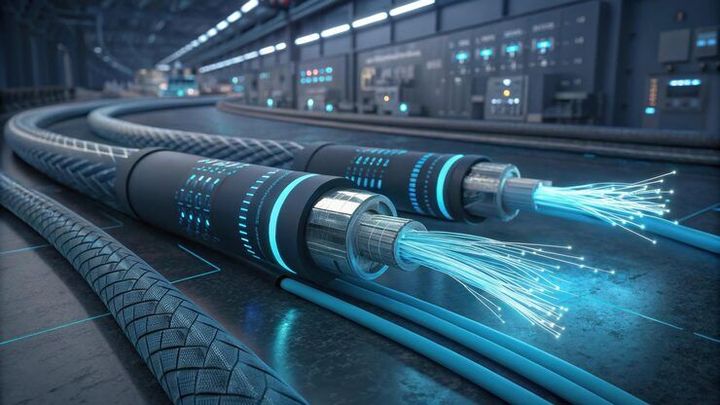
Fiber optic sensing cable solutions use light traveling through optical fibers to detect changes in the surrounding environment. These systems support distributed monitoring and detection across pipelines, railway tracks, industrial facilities, power infrastructure, tunnels, and other large areas.
Unlike conventional sensors that measure conditions at individual points, distributed fiber optic sensing can monitor conditions along an extended length of cable.
An optical fiber is a thin strand of glass that carries information through light signals. When temperature, vibration, pressure, or strain affects the fiber, the characteristics of the returning light can change. Specialized monitoring equipment analyzes these changes to identify possible events or environmental variations.
Understanding Distributed Fiber Optic Sensing
Distributed fiber optic sensing systems use the cable itself as a continuous sensing element. Depending on the technology, a single cable can provide information about conditions across hundreds of meters or several kilometers. The practical monitoring distance depends on the equipment, cable design, required sensitivity, and surrounding environment.
Three common technologies are distributed temperature sensing (DTS), distributed acoustic sensing (DAS), and distributed strain sensing. Each technology measures different physical effects and supports different monitoring requirements.
Distributed temperature sensing identifies temperature changes along the cable.
Distributed acoustic sensing detects vibrations and acoustic disturbances near the cable.
Distributed strain sensing measures stretching, compression, or deformation along a structure.
These technologies can operate independently or together, depending on the application. A monitoring system typically includes sensing cable, an optical interrogator, data processing software, and an interface that displays measurements or generates alerts.
How Fiber Optic Sensing Cable Systems Work
The monitoring process begins when an optical interrogator sends light pulses into the fiber. Some light returns because of natural interactions within the fiber, and the returned signal contains information about conditions along the cable.
The interrogator analyzes changes in the returned light and associates them with particular cable locations. Software then converts the measurements into usable information, such as a temperature profile, vibration pattern, or indication of structural movement.
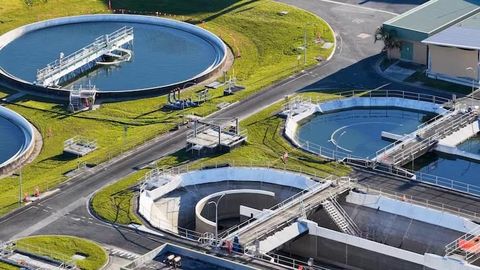
For example, a cable installed beside a water pipeline may detect unusual vibration patterns associated with nearby excavation. Operators can investigate the reported location instead of inspecting the entire pipeline route manually.
Importance
Fiber optic sensing cable solutions matter because many critical systems extend across large geographical areas. Monitoring every section with separate electronic sensors can require extensive wiring, power arrangements, and maintenance. Distributed sensing provides another approach by using a continuous optical fiber to collect information along a route.
These systems can help infrastructure operators identify developing problems, understand changing environmental conditions, and direct inspections toward areas that require attention.
Applications Across Different Industries
Fiber optic sensing technology supports several practical applications.
Pipeline monitoring: Detects vibration patterns, temperature changes, and possible disturbances around pipelines.
Railway monitoring: Identifies trackside vibrations, passing trains, and certain changes in the surrounding environment.
Power infrastructure: Monitors temperature conditions in selected cables, underground installations, and other electrical assets.
Building and bridge monitoring: Measures strain or deformation that may indicate changes in structural conditions.
Industrial facilities: Detects abnormal temperature patterns or vibration events around equipment and production areas.
Tunnel monitoring: Tracks temperature changes and vibration patterns that may help operators assess environmental conditions.
The suitability of each application depends on the sensing technology, installation method, and type of event being monitored.
Benefits for Everyday Infrastructure
The importance of distributed monitoring extends beyond industrial facilities. Pipelines transport water and other materials, railways support public transportation, and power networks supply homes and businesses. Problems affecting these systems can interrupt everyday activities or create safety concerns.
Continuous monitoring can provide information between scheduled inspections. However, a detected anomaly does not automatically confirm damage or danger. Measurements generally require interpretation alongside operational records, environmental conditions, and other inspection findings.
Factors That Affect System Performance
Several factors influence the performance of fiber optic sensing cable solutions.
Cable construction: Protective layers must suit the installation environment, including moisture, heat, abrasion, and mechanical stress.
Sensing distance: Longer cable routes can affect signal strength and measurement resolution.
Installation quality: Cable placement and contact with the monitored structure influence the signals detected.
Environmental conditions: Wind, traffic, machinery, and changing weather can produce signals that resemble events of interest.
Data interpretation: Suitable software and trained personnel help distinguish meaningful changes from background activity.
Understanding these factors is important when comparing monitoring systems for different applications.
Recent Updates
Developments in fiber optic sensing from 2024 through 2026 have generally focused on improved signal interpretation, integration with digital monitoring platforms, and wider use in infrastructure management. Rather than relying only on individual measurements, many modern systems combine continuous sensing with software that helps operators recognize patterns and investigate unusual events.
Artificial Intelligence and Data Analysis
Distributed acoustic sensing can generate substantial amounts of information because the system monitors activity across many locations. Machine learning and pattern recognition techniques can help classify signals associated with vehicles, footsteps, excavation, machinery, or other disturbances.
These methods depend on training data, environmental conditions, and the characteristics of the installed system. Automated classifications may require human review, particularly when an incorrect interpretation could lead to unnecessary inspections or a missed warning.
Integration With Digital Monitoring Platforms
Fiber optic monitoring systems increasingly connect with supervisory control and data acquisition platforms, asset management software, and centralized monitoring dashboards. This integration allows operators to view sensor information alongside equipment status, maintenance records, and other operational data.
Some systems also support configurable alerts when measurements exceed defined thresholds or match specified patterns. Alert quality depends on calibration, suitable thresholds, and the ability to account for normal changes in operating conditions.
Comparison of Common Sensing Technologies
Technology | Primary measurement | Typical applications |
|---|---|---|
Distributed temperature sensing | Temperature variation | Industrial installations, pipelines, power cables |
Distributed acoustic sensing | Vibration and acoustic activity | Railway routes, perimeter monitoring, pipelines |
Distributed strain sensing | Stretching and deformation | Bridges, tunnels, structural monitoring |
Point fiber optic sensors | Conditions at specific locations | Equipment monitoring, laboratory measurements |
Point sensors can complement distributed systems where precise measurements at selected locations are required.
Current Design Considerations
Current system development also emphasizes installation flexibility, improved event classification, and compatibility with existing infrastructure. Ruggedized cables, remote monitoring interfaces, and more efficient data processing can support deployments in demanding environments.
Nevertheless, not every system supports all sensing methods or operating conditions. Technical specifications should be evaluated against the required detection distance, measurement resolution, environmental limits, and maintenance arrangements.
Laws or Policies
Fiber optic sensing cable installations may be affected by telecommunications requirements, electrical safety rules, construction standards, infrastructure protection policies, and data protection laws. The applicable requirements depend on the installation location, the type of infrastructure, and whether the system collects information that can identify individuals.
Regulatory Considerations in India
In India, infrastructure projects may need to consider relevant requirements from telecommunications authorities, electrical safety regulators, railway authorities, environmental agencies, and local construction bodies. The specific rules depend on the application and the responsible organization.
The Department of Telecommunications oversees relevant telecommunications policy and licensing matters, while the Bureau of Indian Standards develops standards across a range of technical fields. Electrical installations may also fall under applicable electrical safety requirements. A fiber optic sensing installation should be assessed according to the rules relevant to its particular use rather than treated as subject to one universal regulation.
Installation and Data Protection
Organizations planning a deployment should examine the following considerations:
Infrastructure permissions: Confirm access rights and approvals for installation along roads, railway corridors, pipelines, or utility routes.
Electrical and construction safety: Follow applicable requirements for cable routing, equipment enclosures, grounding where relevant, and work around existing infrastructure.
Data handling: Establish appropriate access controls, retention periods, and security arrangements for monitoring records.
Operational responsibilities: Define who receives alerts, investigates anomalies, and maintains the monitoring equipment.
When distributed acoustic sensing is used near public spaces, organizations should also assess whether the collected data or associated processing raises privacy concerns. Requirements can differ according to the information recorded and the applicable legal framework.
Tools and Resources
Selecting fiber optic sensing cable solutions requires an understanding of the monitoring objective, physical environment, and available analysis tools. Several categories of resources can help during planning and operation.
System Design and Monitoring Tools
Optical interrogators generate light signals and analyze returning measurements. Their capabilities determine which sensing technologies can be supported, the measurement distance, and the available resolution.
Fiber optic sensing software displays measurements, maps detected events, manages alerts, and helps operators investigate changes over time. Some platforms include event classification and historical trend analysis.
Geographic information systems (GIS) associate sensing locations with maps, infrastructure routes, access points, and nearby assets. This is particularly useful for long pipelines, railway corridors, and underground networks.
Engineering simulation tools help evaluate cable placement, expected strain, temperature behavior, and installation conditions before a monitoring system is deployed.
Planning Checklist
Before selecting a distributed monitoring system, engineers and infrastructure managers can review these factors:
Required measurement type, such as temperature, vibration, or strain.
Total monitoring distance and required location accuracy.
Environmental exposure, including moisture, heat, and mechanical loading.
Compatibility with existing monitoring platforms.
Alert configuration and data storage requirements.
Installation access, inspection procedures, and long-term maintenance needs.
A structured evaluation helps connect technical capabilities with the actual conditions of the monitored infrastructure.
FAQs
What Is a Fiber Optic Sensing Cable?
A fiber optic sensing cable contains optical fibers that carry light and respond to physical changes in their surroundings. Specialized equipment analyzes the returning light to measure temperature, vibration, strain, or other supported parameters.
How Do Distributed Fiber Optic Monitoring Systems Work?
Distributed fiber optic monitoring systems send light through a cable and analyze signals returning from different positions along its length. Software translates these signals into measurements or event alerts, allowing operators to investigate specific locations.
What Is the Difference Between Distributed Acoustic Sensing and Distributed Temperature Sensing?
Distributed acoustic sensing detects vibration and acoustic activity along a cable. Distributed temperature sensing measures temperature variations. The appropriate technology depends on whether the monitoring objective involves movement, sound-related disturbances, heat, or another physical condition.
Where Are Fiber Optic Sensing Cable Solutions Used?
These solutions are used in pipelines, railway infrastructure, tunnels, bridges, power networks, industrial facilities, and selected security monitoring applications. Their suitability depends on installation conditions, sensing requirements, and the type of information needed.
What Factors Affect Distributed Fiber Optic Sensing System Performance?
Performance depends on cable design, sensing distance, installation quality, environmental interference, interrogator capabilities, and data processing methods. Appropriate calibration and interpretation are also important for reducing false alerts and identifying meaningful changes.
Conclusion
Fiber optic sensing cable solutions provide a method for monitoring temperature, vibration, and structural changes along extended infrastructure routes. Distributed monitoring and detection systems can support pipeline oversight, railway operations, industrial monitoring, and structural assessment. Their effectiveness depends on suitable technology selection, installation quality, reliable data interpretation, and compliance with relevant requirements. Understanding these factors helps organizations evaluate how distributed sensing fits their monitoring needs.