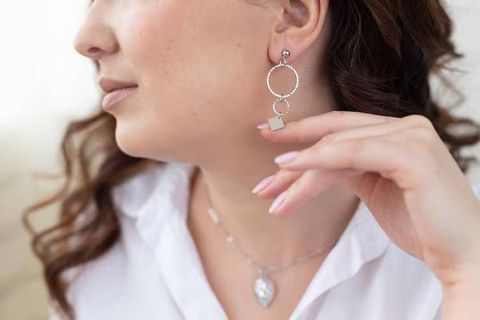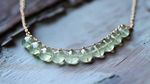
Explore Bold Gemstone Necklaces With Statement Designs and Gemstone Knowledge
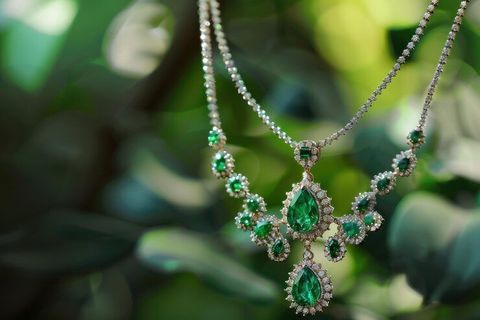
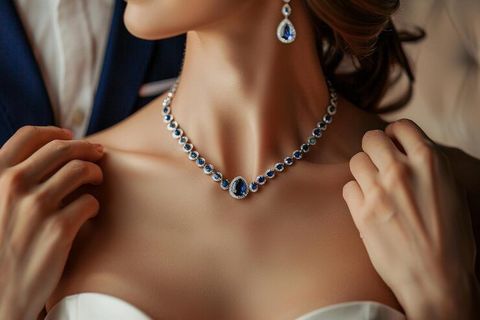
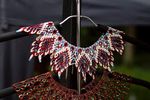
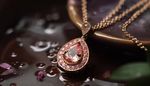
Bold gemstone necklaces are jewelry pieces designed around noticeable gemstones, distinctive shapes, layered arrangements, or substantial necklace structures.
Unlike delicate necklaces that emphasize small details, these designs place greater visual attention on gemstones, color combinations, cuts, and overall proportions.
Gemstone necklaces have a long history across different cultures. Natural stones such as amethyst, garnet, sapphire, ruby, emerald, turquoise, topaz, quartz, and tourmaline have been used in decorative objects and jewelry for centuries. Their colors, textures, hardness, and perceived cultural meanings have influenced how they are incorporated into necklaces.
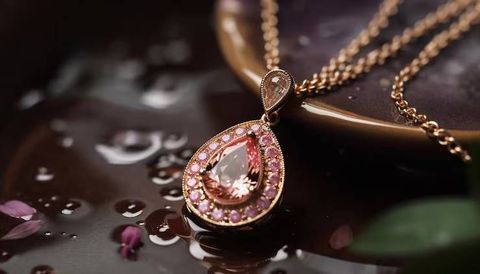
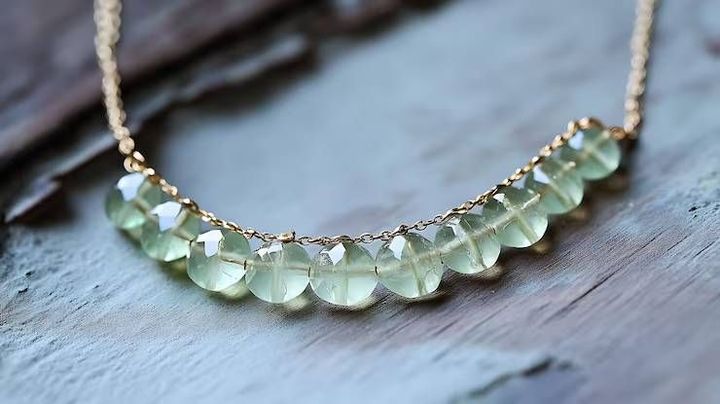
Modern bold gemstone necklaces can include a single large center stone, multiple stones arranged in clusters, graduated gemstones, geometric settings, or combinations of polished and faceted stones. The design may also incorporate metals such as gold, silver, platinum, or other jewelry alloys.
How Statement Designs Developed
Statement jewelry became increasingly associated with expressive fashion as designers experimented with larger proportions and stronger color contrasts. Gemstones provided a practical design element because their natural variations create visual differences even when two necklaces follow a similar structure.
A statement necklace does not necessarily need to contain extremely large stones. A carefully arranged group of medium-sized gemstones can create a strong appearance through repetition, contrast, and spacing. This makes gemstone necklaces available in many design styles, from traditional settings to contemporary geometric arrangements.
Common Gemstone Characteristics
Understanding basic gemstone properties helps readers interpret jewelry descriptions more accurately. Important characteristics include color, clarity, transparency, hardness, treatment, origin information when documented, and whether a stone is natural, laboratory-created, reconstructed, or imitation material.
| Gemstone | Common Colors | Mohs Hardness Approx. | Typical Necklace Use |
|---|---|---|---|
| Sapphire | Blue, pink, yellow, other colors | 9 | Center stones and clusters |
| Ruby | Red to pinkish red | 9 | Statement centers and accents |
| Emerald | Green | 7.5–8 | Focal stones and decorative arrangements |
| Amethyst | Purple | 7 | Pendants and clustered designs |
| Garnet | Red, orange, green and other colors | 6.5–7.5 | Beads and faceted settings |
| Topaz | Blue, yellow, colorless and other colors | 8 | Pendant and statement designs |
| Turquoise | Blue to green | 5–6 | Beaded and cultural designs |
| Quartz | Clear, purple, pink and other colors | 7 | Decorative pendants and beads |
Hardness is only one factor in practical durability. Cleavage, fractures, treatments, porosity, setting style, and exposure to chemicals can also influence how a gemstone should be handled.
Importance
Why Statement Gemstone Jewelry Matters
Bold gemstone necklaces are relevant to people interested in jewelry design, personal style, cultural traditions, gemstone identification, and material knowledge. A necklace can also provide an accessible way to learn how gemstone characteristics influence appearance and construction.
Large or visually prominent stones require thoughtful setting methods. The metal structure must hold the stones securely while allowing their colors and shapes to remain visible. Designers therefore consider stone dimensions, weight distribution, setting depth, clasp construction, and necklace flexibility.
Understanding Color and Proportion
Color is one of the most noticeable elements in bold gemstone necklaces. Strong colors can create contrast, while similar tones can produce a more coordinated appearance.
Proportion is equally important. A large central gemstone may create a focal point, while smaller stones can frame it. In other designs, stones of similar sizes are repeated across the necklace to create rhythm.
Readers evaluating a statement design can consider:
Gemstone size and overall necklace proportions
Color relationships between individual stones
Stone shape and cutting style
Metal color and setting design
Necklace length and structure
Weight distribution
Clasp and fastening construction
Natural Variation and Gemstone Knowledge
Natural gemstones can contain inclusions, color zoning, surface characteristics, or variations in transparency. These features do not automatically indicate a problem; they are part of how many natural stones form.
At the same time, appearance alone cannot always establish whether a gemstone is natural, treated, synthetic, or imitation. Laboratory testing may be necessary when material identity or treatment status is important.
Recent Updates
Current Design Trends
Recent jewelry trends have included stronger gemstone colors, mixed-stone arrangements, sculptural necklace forms, and combinations of traditional gemstone materials with modern metalwork. Designers have also explored asymmetry, layered structures, oversized pendants, and unusual gemstone cuts.
Another noticeable development is greater consumer interest in gemstone information. People increasingly want to understand whether a stone is natural or laboratory-created, whether it has received treatment, and what documentation accompanies a particular gemstone.
Changing Interest in Transparency
Gemstone transparency has become more relevant as consumers compare jewelry descriptions and documentation. Terms such as natural, synthetic, laboratory-created, treated, imitation, and composite can describe materially different products.
Clear terminology helps readers understand what they are examining. A laboratory-created gemstone, for example, can have similar chemical and physical characteristics to its naturally occurring counterpart while having a different origin.
Sustainability and Material Awareness
Environmental and material considerations are also influencing jewelry discussions. Recycled metals, traceable materials, laboratory-created gemstones, and longer-lasting jewelry designs are receiving attention within the broader jewelry industry.
These developments do not make one material universally suitable for every person. Instead, they give consumers more information about the origins, characteristics, and production methods associated with different jewelry materials.
Laws or Policies
Jewelry Disclosure Rules
Rules governing gemstone jewelry vary by country and jurisdiction. In many markets, jewelry descriptions must not create a misleading impression about the material, gemstone identity, treatment, composition, or characteristics of an item.
Descriptions involving terms such as natural gemstone, laboratory-created gemstone, synthetic gemstone, imitation gemstone, treated gemstone, or gemstone origin may therefore require careful wording depending on local requirements.
Hallmarking and Metal Information
Some countries operate hallmarking systems that provide information about precious-metal purity. Hallmarks can help identify the metal standard associated with a jewelry item, although requirements differ between jurisdictions.
For example, a hallmark may indicate a recognized purity level for gold, silver, or platinum. The presence, format, and legal significance of hallmarks depend on the country where the jewelry is manufactured, imported, or distributed.
Gemstone Documentation
Gemstone reports can provide information about identity, treatments, measurements, and other characteristics. However, not every necklace requires an independent laboratory report, and documentation practices vary according to gemstone type, value, jurisdiction, and industry standards.
Consumers should distinguish between laboratory documentation and marketing descriptions. A laboratory report is intended to communicate tested characteristics, while a product description may contain broader design or style information.
Tools and Resources
Gemstone Identification References
Gemstone identification references can help readers learn about color, hardness, crystal structure, optical properties, and common treatments. Educational mineral databases and gemological reference materials are useful for developing basic gemstone knowledge.
Photographic references can also help compare gemstone colors and cutting styles, although photographs cannot reliably establish gemstone identity by themselves.
Measurement and Conversion Tools
Jewelry measurements are often presented using millimeters, carats, grams, or other units. Basic measurement and conversion calculators can help readers understand differences between stone dimensions and total jewelry weight.
It is important to remember that carat weight refers to mass rather than physical size. Two gemstones with the same carat weight can have different dimensions because different gemstone materials have different densities.
Gemstone Testing Resources
Professional gemological laboratories provide specialized testing for gemstone identification and treatment analysis. Such testing can involve instruments that examine optical, physical, and chemical characteristics.
For general educational research, readers can also consult gemstone glossaries, mineral identification guides, jewelry terminology references, and educational material from recognized gemological organizations.
Comparing Necklace Specifications
A simple comparison checklist can make technical descriptions easier to understand:
Gemstone type and stated origin
Natural, laboratory-created, or imitation classification
Treatment information
Gemstone dimensions
Total necklace length
Metal type and stated purity
Clasp construction
Documentation or laboratory report
Care requirements
FAQs
What are bold gemstone necklaces?
Bold gemstone necklaces are statement jewelry pieces that emphasize noticeable gemstones, strong colors, distinctive shapes, or substantial necklace structures. They can feature one prominent gemstone or multiple stones arranged in a coordinated design.
How can I learn more about gemstone necklaces?
Gemstone necklaces can be understood by studying gemstone hardness, color, clarity, treatments, cutting styles, metal settings, and basic gemological terminology. Laboratory reports can provide additional information for specific gemstones.
Are natural and laboratory-created gemstones the same?
Natural gemstones form through geological processes, while laboratory-created gemstones are produced under controlled conditions. Some laboratory-created stones can have chemical and physical characteristics closely related to natural stones, but their origins are different.
What should I know about bold gemstone necklaces before choosing a design?
Important factors include gemstone type, stone dimensions, necklace weight, setting structure, metal composition, treatment information, and care requirements. The intended use of the necklace can also influence which materials and construction styles are practical.
Do gemstone necklaces require special care?
Care depends on the gemstone and its treatment. Some stones are more sensitive to scratches, heat, chemicals, sudden temperature changes, or prolonged exposure to moisture. Specific care instructions should therefore be based on the properties of the gemstone and metal used.
Conclusion
Bold gemstone necklaces combine gemstone characteristics with statement-oriented jewelry design. Understanding gemstone identity, hardness, treatments, proportions, metal composition, and documentation can make jewelry descriptions easier to interpret. Recent design trends have expanded the range of colors, shapes, materials, and construction styles available in statement necklaces. Regulations and disclosure practices also play a role in communicating accurate information about gemstones and precious metals.