Electric Grid Systems Explained: Components, Power Flow, Operations, Benefits and Key Considerations
Electric grid systems are interconnected networks that move electricity from generating facilities to homes, businesses, factories, transportation systems, and public infrastructure. An electric grid system includes power plants, transmission lines, substations, distribution networks, transformers, control equipment, meters, and protection systems. Together, these components help electricity travel across large distances and reach places where it is needed.
Context
Electric grid systems are interconnected networks that move electricity from generating facilities to homes, businesses, factories, transportation systems, and public infrastructure. An electric grid system includes power plants, transmission lines, substations, distribution networks, transformers, control equipment, meters, and protection systems. Together, these components help electricity travel across large distances and reach places where it is needed.
The modern grid developed as electricity generation expanded beyond individual buildings and local areas. Early electrical networks were relatively small, but growing electricity demand required larger networks that could connect multiple generating sources and communities. Interconnected grids gradually became important because they allow electricity from different sources to be coordinated across wider areas.
Electricity generally follows a sequence from generation to transmission, distribution, and final consumption. Power plants may generate electricity from sources such as natural gas, coal, nuclear energy, hydropower, wind, or solar power. The electricity then passes through equipment that changes its voltage so it can travel efficiently through transmission networks.
An electric grid system operates continuously, with generation and electricity consumption needing to remain closely balanced. Grid operators monitor conditions and coordinate different parts of the network to maintain stable voltage, frequency, and power flow.
Main Components of an Electric Grid
Several interconnected components perform different functions within the grid:
- Generation facilities produce electricity using various energy sources.
- Transformers change electrical voltage between different stages of the network.
- Transmission lines carry electricity over long distances at high voltage.
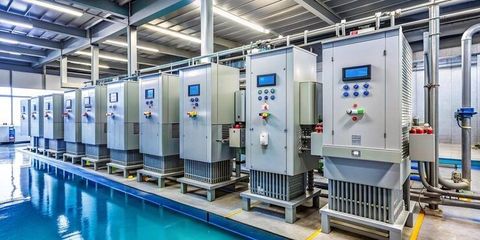
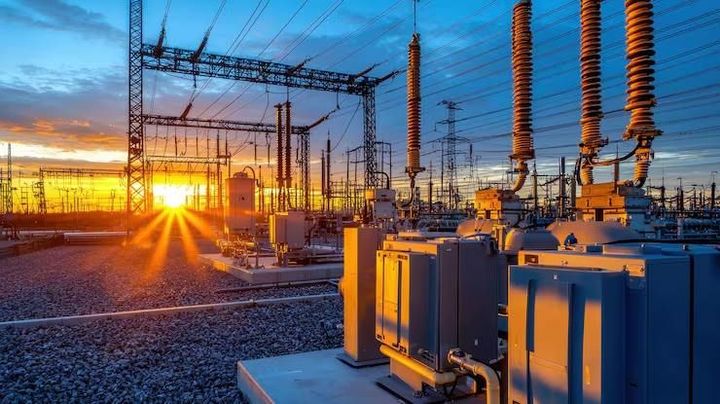
- Substations contain equipment for switching, protection, monitoring, and voltage transformation.
- Distribution lines carry electricity from substations toward local areas.
- Meters measure electricity use at homes, businesses, and other locations.
- Protection equipment detects abnormal conditions and helps isolate damaged sections.
The components work together rather than operating as isolated pieces of equipment. A change in one part of the network can influence power flows elsewhere.
Importance
Electric grid systems matter because modern communities depend on reliable electricity for communication, transportation, healthcare facilities, water systems, manufacturing, education, commerce, and household activities. Electricity also supports digital infrastructure, data centers, charging infrastructure, and many automated systems.
A stable grid helps maintain the continuous operation of equipment that depends on electricity. Interruptions can affect lighting, heating and cooling systems, electronic equipment, industrial processes, and communication networks.
Balancing Electricity Supply and Demand
One of the central challenges of an electric grid is balancing electricity generation with demand. Unlike many stored commodities, electricity on the grid generally needs to be generated close to the time it is consumed.
Demand changes throughout the day. It can increase during periods when many households and businesses use heating, cooling, lighting, or other electrical equipment. Grid operators use forecasts and real-time measurements to anticipate these changes.
Renewable generation adds another consideration. Solar generation changes with sunlight, while wind generation varies with weather conditions. Grid planning therefore increasingly involves energy storage, flexible generation, improved forecasting, stronger transmission connections, and demand management.
Resilience and Reliability
Grid resilience refers to the ability of an electricity network to withstand disturbances and recover from them. Severe weather, equipment failures, vegetation contact, cyber incidents, fires, and other events can affect parts of a grid.
Modern grid planning therefore includes physical protection, monitoring systems, backup arrangements, maintenance programs, and emergency procedures. Interconnections between different areas can also allow electricity to move through alternative pathways when part of a network is unavailable.
Recent Updates
Electric grid systems have been undergoing significant changes as electricity demand, generation technologies, and digital controls evolve. From 2024 through 2026, several broad trends have influenced grid planning and operation.
Renewable Energy Integration
Solar and wind generation have continued to expand in many electricity markets. Their variable output has increased the importance of forecasting, flexible generation, battery storage, transmission planning, and grid-management technology.
In India, renewable-energy development has been accompanied by continued attention to transmission infrastructure and the integration of variable renewable generation. National planning increasingly considers how new generation resources can connect with demand centers.
Grid Modernization
Many electricity networks are incorporating digital monitoring, automated controls, advanced meters, sensors, and communication systems. These technologies can provide operators with more detailed information about network conditions.
Modern control systems can also help identify changes in voltage, frequency, power flows, and equipment conditions. Digitalization brings additional cybersecurity considerations because more grid equipment is connected to communication networks.
Energy Storage
Battery energy storage has become an increasingly important part of grid planning. Storage systems can absorb electricity during periods of higher generation and release it when electricity demand or network requirements change.
Storage does not replace transmission, generation, or distribution infrastructure. Instead, it can work alongside these resources as part of a broader electricity-management approach.
Increasing Electricity Demand
Electricity demand is also being influenced by data centers, electric vehicles, industrial electrification, air conditioning, and wider use of electrically powered equipment. These changes can require additional generation and network capacity.
Grid planners therefore examine not only current electricity use but also expected demand over future years. Transmission upgrades, substations, distribution equipment, and generation resources may need to develop together.
Laws or Policies
Electric grid systems in India operate within a regulatory framework involving the central government, state governments, regulatory commissions, grid operators, and other electricity-sector institutions. The Electricity Act, 2003 provides an important legal foundation for the electricity sector, including generation, transmission, distribution, trading, and regulatory responsibilities.
The Central Electricity Regulatory Commission regulates several areas at the national level, while State Electricity Regulatory Commissions have responsibilities within individual states. Grid operations are also coordinated through institutions responsible for maintaining system security and managing electricity flows.
Renewable Energy and Grid Planning
India's energy policies increasingly include renewable-energy integration and grid expansion. Government programs and planning documents have supported the development of transmission infrastructure for renewable-energy regions and the connection of new generating resources.
Rules and technical standards also address matters such as grid connectivity, frequency management, scheduling, metering, protection, and system operation. These requirements help establish common technical conditions for participants connected to the electricity network.
Electricity Distribution
Distribution networks are generally operated under regulated frameworks at the state level. Rules can cover areas such as electricity supply, metering, consumer connections, billing, network operation, and electricity-quality requirements.
The regulatory structure continues to evolve as India expands renewable generation, digital metering, energy storage, electric mobility, and other electricity-related technologies. Specific requirements can differ between states and may change as regulations are updated.
Tools and Resources
Several resources can help readers understand electric grid systems and monitor electricity-related information.
Grid Monitoring Resources
Grid operators publish information about electricity generation, demand, frequency, transmission conditions, and other system indicators. In India, the National Load Despatch Centre and related electricity-sector institutions provide information about national and regional grid operations.
Useful resources include:
- National Load Despatch Centre information on grid operation and system conditions
- Central Electricity Authority reports and electricity-sector statistics
- Central Electricity Regulatory Commission regulations and orders
- State electricity regulatory commission documents
- Government energy dashboards and planning publications
- Electricity-demand and generation datasets
- Energy-system modeling and grid-planning tools
Common Grid Analysis Tools
Engineers and researchers may use power-flow software to study how electricity moves through a network. Load-flow analysis can examine voltage levels, transmission loading, and power flows under different operating conditions.
Other tools include demand forecasting models, renewable-generation forecasts, battery-storage models, geographic information systems, and electricity-system simulation platforms. The appropriate tool depends on whether the purpose is education, planning, research, or operational analysis.
Electric Grid System Data at a Glance
| Grid Element | Main Function | Typical Location |
|---|---|---|
| Power Generation | Produces electricity | Power plants and renewable sites |
| Step-Up Transformer | Raises voltage | Near generating facilities |
| Transmission Network | Moves electricity over long distances | Regional and national corridors |
| Substation | Switches and transforms electricity | Transmission and distribution junctions |
| Distribution Network | Delivers electricity to local areas | Cities, towns, and rural areas |
| Transformer | Reduces voltage for local use | Distribution networks |
| Meter | Measures electricity consumption | Homes and buildings |
| Control System | Monitors and manages grid conditions | Control centers and network facilities |
FAQs
What is an electric grid system?
An electric grid system is an interconnected network that generates, transmits, distributes, controls, and monitors electricity. It connects generating facilities with homes, businesses, industries, and other electricity users.
How does power flow through an electric grid system?
Electricity typically moves from a generating facility through a transformer, high-voltage transmission network, substation, distribution network, and local transformer before reaching an electricity user. Control and protection equipment continuously monitors these stages.
What are the main components of an electric grid?
The main components include generators, transformers, transmission lines, substations, distribution lines, meters, protection equipment, communication systems, and grid-control facilities.
Why are renewable energy sources important for electric grid systems?
Solar and wind generation can provide electricity without relying on conventional fuel combustion during operation. Because their output varies with weather conditions, their integration requires planning for transmission, forecasting, storage, flexible generation, and system balancing.
How is India's electric grid regulated?
India's electricity sector operates under laws and regulations involving institutions such as the Ministry of Power, Central Electricity Regulatory Commission, Central Electricity Authority, state regulatory commissions, and grid-management organizations. The Electricity Act, 2003 is a central part of the regulatory framework.
Conclusion
Electric grid systems connect electricity generation with the people, businesses, and infrastructure that depend on electrical power. Their main elements include generation facilities, transmission networks, substations, distribution systems, transformers, meters, and control equipment. Recent changes in renewable generation, energy storage, digital monitoring, and electricity demand are influencing how grids are planned and operated. In India, these developments take place within a regulatory framework designed to coordinate electricity generation, transmission, distribution, and system operation.