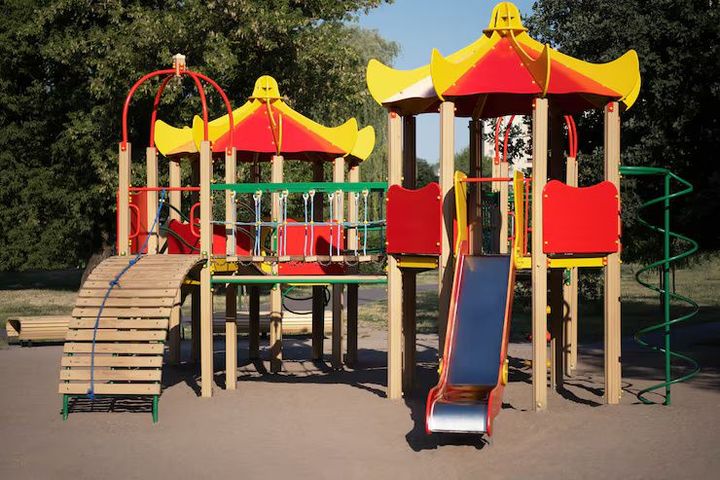
Discover Modern Playground Design: Tips, Suggestions, and Space-Smart Solutions
Modern playground design focuses on creating safe, inclusive, and engaging outdoor or indoor play spaces for children of different ages and abilities. Traditionally, playgrounds were simple areas with basic equipment such as swings and slides. Over time, changing lifestyles, urban growth, and awareness of child development have influenced how these spaces are planned and built.
Today, modern playground design combines creativity, safety standards, and space-smart solutions to adapt to different environments. It includes elements such as themed play zones, sensory activities, and multi-use structures that encourage physical movement and social interaction. Designers now consider factors like available space, accessibility, and environmental impact when planning playground layouts.
Playgrounds can be found in schools, residential communities, public parks, and even indoor settings like malls. As cities become more crowded, the need for thoughtful and efficient playground design continues to grow.
Importance
Modern playground design plays an important role in supporting children’s physical, emotional, and social development. Playgrounds are not just recreational spaces; they are environments where children learn coordination, communication, and problem-solving skills.
One key challenge addressed by modern playground design is limited space in urban areas. Space-smart solutions help create functional play areas even in small locations, ensuring that children still have access to active play. These solutions may include vertical structures, modular equipment, and compact layouts.
Another important aspect is inclusivity. Modern playgrounds aim to accommodate children with different abilities. Features such as ramps, sensory panels, and accessible swings allow more children to participate in play activities together.
Safety is also a major concern. Improved materials, impact-absorbing surfaces, and better layout planning help reduce the risk of injuries. By focusing on these elements, modern playground design addresses the needs of families, schools, and communities.
Recent Updates
Recent trends in modern playground design reflect changing priorities in urban planning and child development. Designers are focusing on more interactive and nature-inspired environments rather than traditional fixed equipment.
One notable development is the use of sustainable materials. Recycled plastics, treated wood, and environmentally friendly coatings are increasingly used in playground construction. These materials help reduce environmental impact while maintaining durability.
Another trend is the integration of technology. Some playgrounds now include interactive panels, motion-based games, or digital learning elements. These features aim to combine physical activity with cognitive engagement.
Flexible and modular designs are also becoming more common. These allow playgrounds to be adjusted or expanded over time without major structural changes. This is especially useful in rapidly developing urban areas.
Additionally, there is a growing focus on multi-generational spaces. Modern playground design often includes seating areas, walking paths, and exercise zones so that caregivers and older individuals can use the space as well.
Laws or Policies
Playground design is influenced by various safety standards and regulations, which vary by country. In India, guidelines are often aligned with general safety norms for public infrastructure and child-friendly spaces.
Authorities may require the use of non-toxic materials, proper installation of equipment, and adequate spacing between play structures. Impact-absorbing surfaces such as rubber mats or sand are commonly recommended to reduce injury risks.
Urban planning policies also play a role in playground development. Local governments may allocate space for parks and recreational areas within residential projects. These policies encourage the inclusion of playgrounds in growing urban communities.
Accessibility guidelines are increasingly important. Public playgrounds are expected to consider the needs of children with disabilities, ensuring that equipment and pathways are usable by a wider group of people.
While specific regulations may differ, the overall goal is to create safe, inclusive, and well-maintained play environments.
Tools and Resources
Planning a playground involves a range of tools and resources that help designers and planners make informed decisions. These tools assist with layout design, safety checks, and space optimization.
Some commonly used tools and resources include:
- Design software such as CAD programs, which help create detailed playground layouts and visualize space usage
- Online playground planners that allow users to experiment with different equipment arrangements
- Safety guideline documents that outline recommended distances, materials, and installation practices
- Measurement tools for assessing available space and ensuring proper placement of structures
- Community feedback platforms that gather input from parents, children, and local residents
Example of Space Allocation in Playground Design
| Area Type | Recommended Use | Space Consideration |
|---|---|---|
| Active Play Zone | Slides, climbing frames, swings | Requires open movement area |
| Quiet Play Zone | Sand pits, sensory panels | Smaller, shaded areas |
| Inclusive Play Area | Accessible equipment and pathways | Wide, barrier-free layout |
| Seating Area | Benches and rest zones | Near play zones |
| Safety Buffer Zone | Clearance around equipment | Essential for injury prevention |
Using these tools and guidelines, planners can create efficient and functional playgrounds that suit different environments.
FAQs
What is modern playground design?
Modern playground design refers to the planning and creation of play spaces that focus on safety, inclusivity, and efficient use of space. It includes updated equipment, thoughtful layouts, and features that support child development.
How do space-smart solutions improve playground design?
Space-smart solutions help maximize limited areas by using vertical structures, modular equipment, and multi-use features. These approaches make it possible to create engaging playgrounds even in compact urban spaces.
What materials are used in modern playground design?
Common materials include treated wood, metal, and recycled plastics. These materials are selected for durability, safety, and environmental considerations.
Are modern playgrounds suitable for children with disabilities?
Yes, many modern playgrounds include accessible features such as ramps, wide pathways, and sensory equipment. These elements allow children with different abilities to participate in play activities.
Why is safety important in modern playground design?
Safety is essential to reduce the risk of injuries. Proper spacing, soft surfaces, and well-designed equipment help create a secure environment for children.
Conclusion
Modern playground design reflects the evolving needs of communities by combining safety, inclusivity, and creativity. It addresses challenges such as limited space and diverse user needs through thoughtful planning and innovative features. With the use of space-smart solutions and updated materials, playgrounds can serve as valuable spaces for learning and recreation. These developments continue to shape how play environments are designed and experienced.