Dermaplaning Facial Knowledge: Preparation, Results, and Skin Protection
Dermaplaning gently exfoliates the skin's outer surface. It also removes fine facial hair using a specialized blade, leaving the skin feeling smoother.
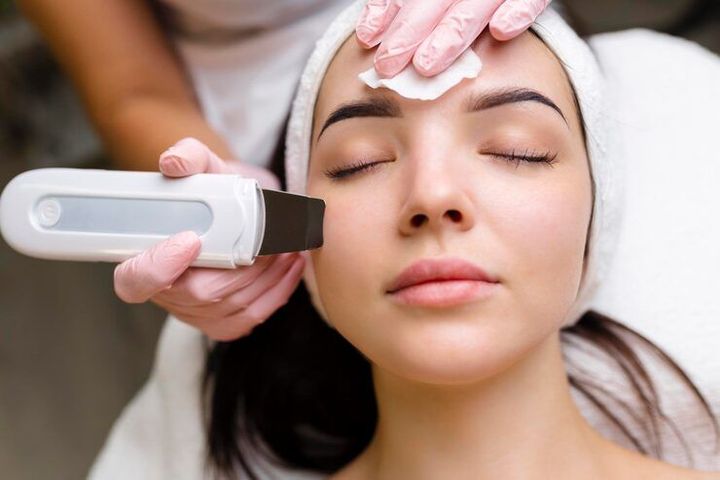
Dermaplaning is a physical exfoliation technique performed with a sterile, specialized surgical-style blade. A trained skincare professional carefully moves the blade across the skin to remove accumulated dead skin cells and fine vellus hair, commonly called peach fuzz.
People researching a professional dermaplaning treatment often want to understand its process, suitability, preparation, and recovery requirements. The procedure generally focuses on the outermost skin layer rather than deeper skin structures.
How the Procedure Works
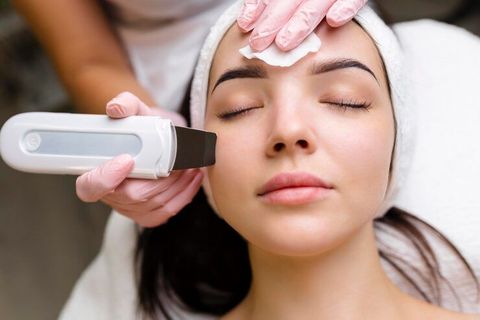
During a dermaplaning facial, the skin is cleansed and dried before the professional uses controlled blade movements. The technique helps remove surface buildup without relying on chemical exfoliating ingredients.
A typical appointment may involve:
Cleansing the face to remove makeup, oil, and impurities.
Examining the skin for irritation or active concerns.
Gently exfoliating the surface with a specialized blade.
Applying suitable moisturizer and sun protection afterward.
Importance and Potential Benefits
Dermaplaning is primarily intended to improve the appearance and feel of the skin's surface. Its results and suitability can vary depending on individual skin characteristics and professional technique.
Common Reasons People Consider It
Some potential benefits include:
Surface exfoliation: Removes accumulated dead skin cells from the outermost layer.
Smoother texture: Can temporarily improve the feel of uneven surface areas.
Fine hair removal: Removes soft facial hair without changing its natural growth pattern.
Makeup application: A smoother surface may help makeup spread more evenly.
Skincare application: Certain topical products may spread more easily after exfoliation.
These effects are generally temporary. Dermaplaning does not permanently change pores, stop facial hair growth, or eliminate deeper skin concerns.
Preparation Before a Dermaplaning Facial
Preparation helps reduce avoidable irritation and supports a more comfortable procedure. Anyone considering a dermaplaning facial appointment should discuss their skin history and current skincare routine beforehand.
Important Preparation Tips
Consider these general precautions:
Avoid aggressive exfoliation immediately before the procedure.
Inform the professional about sensitive skin or previous reactions.
Discuss active acne, open wounds, rashes, or skin infections.
Follow individual instructions about skincare ingredients and shaving.
Avoid scheduling treatment when the skin is visibly irritated.
A dermaplaning facial consultation can help determine whether the procedure is appropriate. People with active inflammatory acne, certain skin conditions, or impaired skin barriers may need to postpone treatment.
Dermaplaning Aftercare and Skin Maintenance
Aftercare is an important part of the overall experience. The skin may temporarily feel sensitive, dry, or slightly red following exfoliation.
Recommended Aftercare Practices
For the first few days, consider these general practices:
Gentle cleansing: Use a mild cleanser and lukewarm water.
Moisturizing: Apply a gentle moisturizer to support skin hydration.
Sun protection: Use broad-spectrum sunscreen with SPF 30 or higher.
Avoid exfoliation: Temporarily avoid scrubs, strong exfoliating products, and irritating ingredients.
Limit heat exposure: Avoid excessive heat if the skin feels sensitive.
Avoid unnecessary touching: Keep hands clean and avoid rubbing the treated area.
Choose dermaplaning aftercare products that suit individual skin needs. Follow the skincare professional's instructions about when to resume regular products.
Treatment Considerations and Possible Risks
Although dermaplaning is generally considered a surface-level exfoliation technique, it is not suitable for everyone. Incorrect blade handling or inadequate hygiene can increase the possibility of irritation, small cuts, infection, or uneven exfoliation.
| Consideration | General Information |
|---|---|
| Skin redness | Temporary redness may occur |
| Dryness | Moisturizing may help maintain hydration |
| Minor cuts | Possible with improper technique |
| Active acne | Treatment may aggravate affected areas |
| Sun sensitivity | Sun protection is important after exfoliation |
| Recovery | Individual experiences and recovery periods vary |
A qualified professional should assess skin suitability and follow appropriate hygiene practices. Seek medical guidance if significant pain, swelling, persistent redness, or signs of infection develop.
Frequently Asked Questions
How much does a dermaplaning facial typically cost?
Dermaplaning facial price varies according to location, practitioner qualifications, treatment details, and included skincare steps. Check the full appointment details before making a decision.
Can dermaplaning remove facial hair permanently?
No. The procedure removes existing fine facial hair at the surface. Hair generally grows back according to its natural growth cycle.
How often can someone receive dermaplaning?
Frequency depends on skin condition, individual tolerance, and professional recommendations. Repeated exfoliation without sufficient recovery may increase irritation.
Can sensitive skin undergo dermaplaning?
Some people with sensitive skin may not tolerate the procedure comfortably. A professional assessment can help identify potential concerns before treatment.
What should be avoided after dermaplaning?
Avoid harsh exfoliants, irritating skincare ingredients, excessive rubbing, and unnecessary heat exposure while the skin is recovering.
Conclusion
Dermaplaning is a surface exfoliation technique that removes dead skin cells and fine facial hair. Understanding preparation, skin suitability, possible risks, and proper aftercare helps individuals make informed skincare decisions. Gentle cleansing, moisturizing, and daily sun protection remain important parts of maintaining skin comfort after the procedure.