Cook Islands Beach Retreats Guide With Tropical Destinations and Vacation Planning
Cook Islands Beach Retreats bring together tropical coastlines, lagoon landscapes, island culture, and relaxed outdoor activities across a group of islands in the South Pacific Ocean.
The Cook Islands consist of 15 islands spread across a large area of the Pacific, with Rarotonga and Aitutaki among the destinations commonly considered by international visitors.
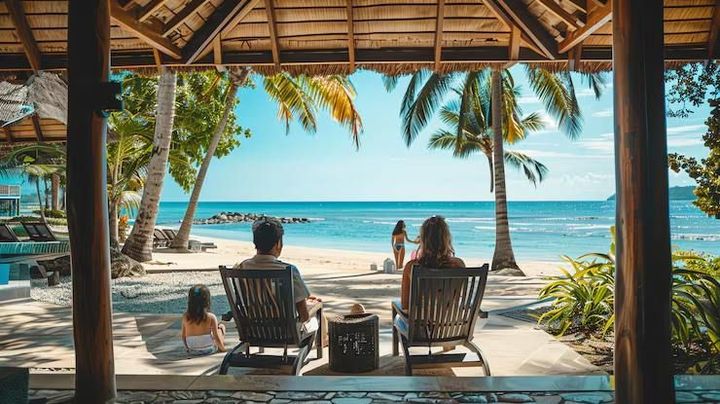
A beach retreat can include accommodation near the shoreline, lagoon swimming, snorkeling, coastal walks, cultural experiences, and time spent enjoying the natural environment. Some travelers prefer an active itinerary with water activities and island excursions, while others choose a quieter stay focused on scenery, rest, and local food.
The Cook Islands have strong Polynesian cultural traditions, reflected in music, dance, language, community life, and local celebrations. Planning a visit involves understanding these cultural features alongside geography, transportation, weather, accommodation options, and environmental responsibilities.
Main Tropical Destinations
Rarotonga
Rarotonga is the Cook Islands' main population center and international visitor gateway. Its volcanic interior, coastal road, villages, beaches, and surrounding lagoon create a varied setting for travelers who want to combine beach time with cultural activities and inland exploration.
Aitutaki
Aitutaki is known for its lagoon, shallow turquoise waters, coral formations, and small offshore islets called motu. Lagoon excursions, snorkeling, scenic boat trips, and beach relaxation are common activities, subject to weather and local operating conditions.
Atiu
Atiu provides a different island experience, with forested landscapes, limestone features, caves, and a quieter atmosphere. It may appeal to visitors interested in nature, birdlife, walking, and local community traditions in addition to coastal scenery.
Other islands, including Mangaia and Mauke, have distinct landscapes and community identities. Travel arrangements vary considerably between islands, so a multi-island itinerary requires attention to flight schedules, accommodation availability, and transfer times.
Types of Beach Retreats
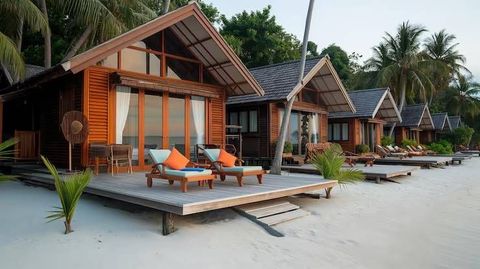
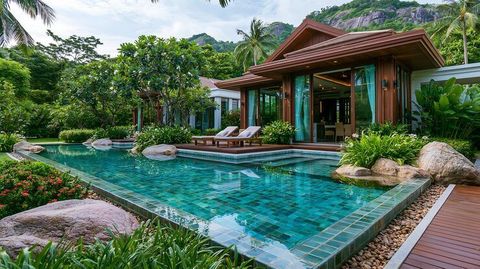
Cook Islands accommodation ranges from small guesthouses and self-contained units to resorts and private beachfront properties. The setting, room facilities, meal arrangements, accessibility, and distance from transport can differ substantially.
Common options include:
Beachfront accommodation for direct access to the shoreline.
Lagoon-side stays for swimming and water-based activities.
Village accommodation for closer contact with everyday island life.
Family-oriented properties with practical room arrangements.
Secluded island stays suited to quieter travel.
Accommodation near the main town for convenient access to shops and transport.
The right location depends on the purpose of the trip, travel companions, mobility requirements, and the amount of time available.
Importance
Why Vacation Planning Matters
Planning a Cook Islands beach vacation involves more than selecting a shoreline location. Visitors need to consider international flights, accommodation, inter-island connections, weather conditions, local transportation, and the activities available during their stay.
Advance planning is particularly relevant for travelers visiting several islands. Domestic flights may operate on limited schedules, and a delay can affect a connection or a planned excursion. Allowing flexibility between major travel arrangements can help reduce disruption.
Matching Destinations to Travel Interests
Different islands suit different travel preferences. Rarotonga provides a combination of beaches, village life, inland walking, and dining options, while Aitutaki focuses more heavily on lagoon scenery and boat excursions.
Travelers interested in quieter communities may consider Atiu or another outer island after reviewing available transport and accommodation. Families, couples, solo travelers, and visitors with mobility requirements should compare shoreline access, swimming conditions, facilities, and transport arrangements before choosing a location.
Recent Updates
Travel Patterns and Island Experiences
During 2024–2026, tropical island travel continued to include interest in nature-based activities, cultural experiences, smaller accommodation properties, and trips combining relaxation with outdoor exploration. Cook Islands itineraries can reflect these interests through lagoon visits, local food experiences, village walks, and nature excursions.
Travel planning has also become increasingly dependent on digital tools for comparing flight connections, checking weather forecasts, and organizing accommodation. However, schedules and local conditions can change, so information should be checked again before departure.
Weather and Seasonal Conditions
The Cook Islands have a warm tropical climate throughout the year. The generally drier period extends from April to November, while warmer months can bring greater humidity and tropical rainfall. Seasonal conditions differ, and rainfall can occur outside the wetter period as well.
Travel consideration | General pattern | Planning implication |
|---|---|---|
April–November | Generally drier conditions | Suitable for varied outdoor itineraries |
November–March | Warmer, more humid conditions | Allow flexibility for rainfall |
July–October | Seasonal whale activity around Rarotonga | Shore-based observation may be possible |
Year-round | Warm ocean and outdoor opportunities | Check local swimming conditions |
The South Pacific cyclone season also requires attention during the warmer months. Travelers should monitor official weather information and understand how their accommodation and transport arrangements respond to severe weather.
Laws or Policies
Entry Requirements and Travel Documents
International visitors must meet the Cook Islands' immigration requirements. Passport validity, onward travel arrangements, accommodation details, and permitted length of stay can be relevant to entry decisions. The exact requirements depend on nationality and individual circumstances, so travelers should confirm the current rules before departure.
Travelers connecting through another country should also check its transit requirements. Entry permission for the Cook Islands does not automatically satisfy the rules of every country along an international route.
Environmental Protection and Lagoon Safety
Marine environments are central to Cook Islands beach retreats. Visitors should avoid standing on coral, disturbing marine animals, leaving rubbish on beaches, or removing shells and other natural materials where collection is restricted.
Swimming and snorkeling conditions can vary with currents, tides, wind, and visibility. Local notices and guidance from qualified activity operators can help visitors understand hazards before entering the water. Protected areas may have additional rules concerning fishing, anchoring, or marine life.
Respect for Local Culture
The Cook Islands have distinct community traditions and social customs. Visitors should respect private property, follow instructions at cultural sites, and ask permission before photographing people in situations where consent may be appropriate.
Community events, village visits, and religious gatherings may have specific expectations concerning clothing, behavior, and photography. Respectful conduct supports positive interactions between visitors and local residents.
Tools and Resources
Digital Planning Platforms
Online maps, airline booking systems, accommodation directories, and weather applications help organize a tropical vacation. Mapping tools can show the distance between accommodation, beaches, shops, and transport points, while airline schedules help establish whether inter-island travel fits the itinerary.
A useful planning checklist includes:
Confirming international and domestic flight arrangements.
Checking passport validity and entry requirements.
Comparing accommodation locations and facilities.
Reviewing weather forecasts and seasonal conditions.
Checking local transportation options.
Confirming excursion schedules and cancellation terms.
Keeping digital and printed copies of important travel documents.
Building a Practical Itinerary
A simple itinerary can balance beach time with cultural visits and outdoor activities without creating an unnecessarily crowded schedule.
Trip length | Possible structure |
|---|---|
3–4 days | Focus on Rarotonga and nearby coastal areas |
5–7 days | Combine Rarotonga with selected lagoon or inland activities |
8–10 days | Divide time between Rarotonga and Aitutaki |
11 days or longer | Consider an additional island if connections permit |
These are illustrative planning ranges, not fixed travel requirements. Actual schedules depend on flight availability, interests, weather, and the time needed for transfers.
Preparing for Beach Activities
Beach conditions and available facilities differ by location. Suitable footwear, sun protection, drinking water, a reusable water bottle, and weather-appropriate clothing can help with outdoor activities.
Travel insurance should be reviewed for the planned itinerary, particularly when it includes snorkeling, boat excursions, remote islands, or activities that may require specialized coverage. Travelers should also know how to contact local emergency and medical facilities.
FAQs
Which islands are suitable for Cook Islands beach retreats?
Rarotonga suits travelers seeking beaches, cultural activities, and inland exploration. Aitutaki is known for its lagoon, while Atiu provides opportunities to experience forest landscapes, caves, and quieter community life.
When should travelers plan a Cook Islands tropical vacation?
The generally drier months run from April to November, although conditions vary throughout the year. Travelers should consider their preferred activities, rainfall patterns, seasonal events, and cyclone-related weather information.
How many days are needed for Cook Islands vacation planning?
A short trip can focus on Rarotonga, while a week or longer can allow time for additional activities or a visit to Aitutaki. Multi-island itineraries require extra time for domestic flights and transfers.
Are Cook Islands beaches suitable for swimming and snorkeling?
Many coastal areas provide opportunities for swimming and snorkeling, but conditions differ by beach, tide, current, and weather. Visitors should follow local safety information and avoid entering the water when conditions are unsuitable.
What should travelers know before visiting the Cook Islands?
Travelers should check passport and entry requirements, confirm flights and accommodation, review seasonal weather, and understand local environmental and cultural expectations. Flexible planning is useful when island transport or outdoor activities are affected by changing conditions.
Conclusion
Cook Islands Beach Retreats combine tropical coastlines, lagoon landscapes, cultural traditions, and outdoor activities across several distinct islands. Rarotonga, Aitutaki, and Atiu provide different experiences, making destination selection an important part of vacation planning. Seasonal weather, transportation schedules, entry requirements, and environmental protection all influence the travel experience. Careful preparation helps travelers understand the practical considerations associated with a South Pacific island vacation.