Concrete Machinery Explained: Types, Components, Applications, Features and Key Considerations
Concrete machinery refers to equipment used to measure, mix, move, place, compact, and finish concrete. It includes concrete mixers, batching plants, concrete pumps, transit mixers, vibrators, screeds, and related systems. These machines developed as construction projects became larger and increasingly dependent on consistent material handling. Today, concrete machinery is used in housing, roads, bridges, industrial buildings, tunnels, foundations, and other structures where controlled concrete placement is required.
What Concrete Machinery Means
Concrete machinery is a broad category rather than one machine. Some equipment prepares the concrete mixture, while other equipment transports or places it at the required location. The choice depends on project size, concrete mix, site layout, required output, and placement method.
A basic concrete mixing system combines cementitious material, aggregates, water, and, where specified, chemical or mineral additions. A batching plant measures these materials before mixing. Concrete pumps then move fresh concrete through pipelines or hoses, while vibrators help remove trapped air and improve consolidation around reinforcement and formwork.
Main Types of Concrete Machinery
Common types include:
- Concrete mixers: Combine concrete ingredients into a workable mixture. Drum mixers and pan mixers are used for different production arrangements.
- Concrete batching plants: Measure and combine ingredients according to a specified mix design. They may be stationary or designed for movement between locations.
- Transit mixers: Carry freshly mixed concrete while rotating the drum to help maintain uniformity during transport.
- Concrete pumps: Move fresh concrete through pipes to locations that may be difficult to reach with direct discharge.
- Concrete vibrators: Apply controlled vibration to fresh concrete to help reduce voids and improve consolidation.
- Concrete screeds: Level and shape freshly placed concrete across a surface.
- Concrete finishing machines: Help perform surface finishing operations after placement, depending on project requirements.
Basic Components
Although designs vary, many machines contain a group of common components.
| Component | Main Function |
|---|---|
| Mixing drum or chamber | Combines concrete ingredients |
| Hopper or aggregate bin | Holds and feeds aggregate |
| Weighing system | Measures materials for batching |
| Conveyor or feed system | Transfers materials between stages |
| Pump and pipeline | Moves fresh concrete |
| Hydraulic or electric drive | Provides mechanical movement |
| Control panel | Allows monitoring and operation |
| Frame and chassis | Supports major components |
| Safety guards | Helps reduce contact with moving parts |
The components work together as a system. A problem in one area, such as inaccurate weighing or restricted material flow, can affect the consistency or handling of the concrete.
Importance
Why Concrete Machinery Matters
Concrete is widely used because it can be formed into many shapes and can develop substantial strength after curing. Machinery helps construction teams handle large quantities while maintaining repeatable processes. It also allows concrete to be moved into locations that would be difficult to reach through manual handling alone.
For general construction, machinery can affect several stages:
- Material measurement and batching
- Mixing and blending
- Transportation to the placement area
- Pumping or discharge
- Consolidation
- Leveling and surface finishing
The equipment also matters for worker safety and site organization. Mechanized movement can reduce some manual handling activities, although machines introduce their own hazards, including moving components, pressure in pumping lines, noise, vibration, electrical risks, and traffic around mobile equipment.
Where Concrete Machinery Is Used
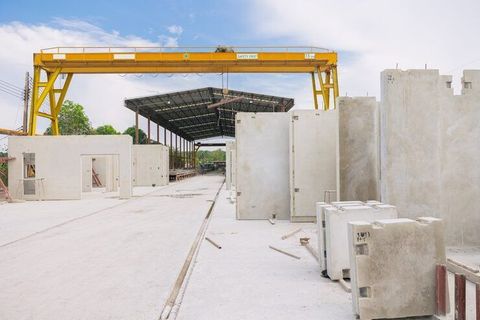
Concrete machinery is found in many settings, including residential buildings, commercial structures, bridges, highways, dams, tunnels, airports, industrial floors, foundations, drainage structures, and precast production. The required equipment differs from one project to another.
For example, a small building project may use a compact mixer and portable vibrator, while a large infrastructure project may use automated batching, multiple transit mixers, concrete pumps, placing booms, and monitoring systems.
Recent Updates
Automation and Digital Controls
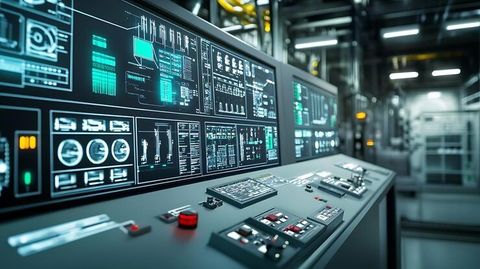
Recent developments have increased the use of electronic controls and automated measurement in concrete production. Modern batching systems can use digital displays, programmable controls, weighing equipment, and data recording to monitor material quantities and production steps. BIS material on IS 18685:2024 describes requirements for clear measurement displays and monitoring controls in relevant batching systems.
Digital controls can also support process records and easier monitoring of production variables. These systems do not remove the need for trained operation or physical inspection; they add another layer of process control.
Updated Equipment Standards
Indian standards have continued to develop around concrete machinery. BIS material lists IS 16730 (Part 1):2025 for concrete pumps and identifies revisions or amendments related to concrete mixers, including IS 1791:2020 with an amendment shown in 2024 and standards based on ISO 18650 for concrete mixers.
The wider construction equipment sector has also been affected by changes in emissions and safety requirements. The Ministry of Road Transport and Highways reported that implementation of CEV V emission norms and certain safety standards for construction equipment vehicles was deferred from April 2024 to January 2025.
Efficiency and Lower-Emission Equipment
The current direction of construction equipment includes greater attention to fuel use, emissions, automation, monitoring, and equipment utilization. Industry analysis published by IBEF in 2025, citing CRISIL, described moderate growth expectations for India's construction equipment sector and identified concrete equipment as a distinct part of the domestic equipment mix.
Electric drives, improved hydraulic systems, automated batching, remote monitoring, and data-based maintenance planning are among the technologies appearing across newer equipment designs. Adoption varies according to machine type, site conditions, electricity availability, project scale, and local regulations.
Laws or Policies
Indian Standards and Building Rules
In India, concrete machinery operates within a wider framework of construction, machinery safety, environmental, and building requirements. The National Building Code of India 2016 provides a national framework covering building construction, structural design, construction safety, fire safety, plumbing, and related areas. It serves as a model code for adoption by relevant agencies and local bodies.
BIS standards are important technical references for concrete equipment and concrete production. BIS states that certification is generally voluntary unless a government notification makes compliance compulsory for a particular product.
Worker Safety
Construction activities are also affected by occupational safety rules. India's labour framework includes the Occupational Safety, Health and Working Conditions Code, 2020, with draft Building and Other Construction Workers rules notified for consultation in 2025. The draft rules are intended to operate across India when the relevant code provisions take effect.
The BOCW framework addresses safety, health, and welfare concerns for construction workers, with state-level welfare boards administering related programs.
Requirements can vary by machine category, project type, state, local authority, and whether equipment is road-registered or used only within a controlled site. Operators and project managers therefore need to check the standards and rules that apply to their specific equipment and location.
Tools and Resources
Standards and Technical References
Useful resources include the BIS Standards portal, which allows users to search Indian Standards by standard number or keyword. Its “Know Your Standard” feature can provide access to standard documents, amendments, testing information, and related details.
For ready-mixed concrete, BIS identifies IS 4926 as a code covering requirements for the production and supply of ready-mixed concrete.
Practical Planning Tools
Project teams may also use:
- Concrete volume calculators: Estimate the quantity needed for a defined shape or structure.
- Mix-design worksheets: Record material proportions and testing requirements.
- Equipment capacity sheets: Compare mixer, pump, or batching output with project requirements.
- Maintenance checklists: Record inspections, lubrication, cleaning, and component checks.
- Site-layout drawings: Plan material movement, pump positions, access routes, and safety zones.
- Operator manuals: Provide machine-specific operating limits and procedures.
These resources support planning and record keeping, but calculations and equipment selection should be checked against relevant project specifications and applicable standards.
FAQs
What Is Concrete Machinery?
Concrete machinery is equipment used for batching, mixing, transporting, pumping, placing, compacting, leveling, or finishing concrete. Examples include concrete mixers, batching plants, transit mixers, concrete pumps, vibrators, and screeds.
What Are the Main Types of Concrete Machinery?
The main types include concrete mixers, concrete batching plants, transit mixers, concrete pumps, concrete vibrators, screeds, and finishing equipment. Each type performs a different stage of concrete handling or placement.
How Does a Concrete Batching Plant Work?
A concrete batching plant stores and measures ingredients such as aggregate, cementitious materials, water, and specified additions. The measured materials are then combined according to the selected mix process before the concrete is transferred for further use.
What Should Be Considered When Selecting Concrete Machinery?
Important considerations include required output, concrete mix characteristics, site access, placement distance, power source, equipment dimensions, operating environment, safety requirements, and applicable standards. The machine should match the project's technical specifications rather than being selected from a single factor.
What Safety Rules Apply to Concrete Machinery in India?
Safety requirements can come from occupational safety laws, construction rules, road-vehicle requirements where applicable, and relevant BIS standards. The exact requirements depend on the equipment and project, so current Indian regulations and applicable standards should be checked for the specific situation.
Conclusion
Concrete machinery supports several stages of concrete production and placement, from batching and mixing to pumping, consolidation, and finishing. Different machines serve different functions, and their components are designed around material handling, movement, control, and safety. Developments in digital controls, measurement, emissions requirements, and equipment standards continue to shape the field in India. Understanding machine types, applications, features, and applicable rules provides a useful foundation for interpreting how concrete is handled on modern construction sites.