Commercial Ice Machines in 2026: Production Capacity, Cleaning Protocols, and Top Brands
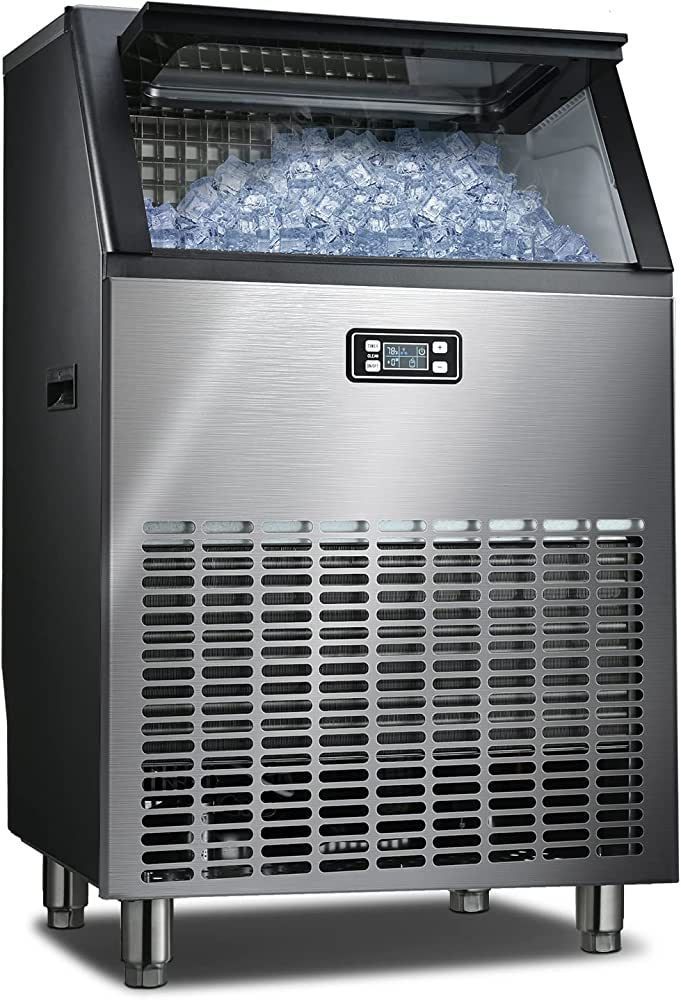
Commercial ice machines are an essential part of many businesses, including restaurants, hotels, hospitals, supermarkets, convenience stores, offices, bars, and food processing facilities. Reliable ice production helps maintain food safety, preserve beverages, support healthcare operations, and improve customer service. As businesses continue to focus on efficiency and hygiene in 2026, choosing the right commercial ice machine has become more important than ever. Modern commercial ice machines offer improved energy efficiency, smarter monitoring features, better water filtration compatibility, and more automated cleaning functions than previous generations. However, selecting the right unit involves much more than simply choosing the highest production capacity. Daily demand, available space, water quality, maintenance requirements, and operating costs all influence long-term satisfaction.
Why Commercial Ice Machines Matter
Unlike residential ice makers, commercial models are designed to produce large amounts of ice consistently throughout the day. Many businesses rely on uninterrupted ice production to maintain operations.
Common applications include:
- Restaurants and cafés
- Hotels and resorts
- Hospitals and healthcare facilities
- Grocery stores
- Seafood markets
- Convenience stores
- Catering businesses
- Corporate offices
- Manufacturing facilities requiring process cooling
A properly sized machine helps reduce downtime, prevents ice shortages during busy periods, and supports food safety standards.
Benefits of Commercial Ice Machines
Commercial ice makers provide several operational advantages.
Consistent Ice Supply
High-capacity machines continuously produce ice to meet changing customer demand throughout the day.
Better Hygiene
Modern machines often include antimicrobial components, enclosed storage bins, and automated cleaning reminders that help support sanitation practices.
Operational Efficiency
Producing ice on-site reduces dependence on packaged ice deliveries while providing greater control over inventory.
Multiple Ice Styles
Businesses can choose different ice shapes depending on their industry and customer needs.
Improved Energy Performance
Many newer models use more efficient compressors, insulation, and water management systems that help reduce operating costs over time.
Limitations to Consider
No commercial ice machine is perfect for every situation.
Some common limitations include:
- Requires regular cleaning and sanitization
- Water quality directly affects performance
- Initial installation may require plumbing and drainage
- Production decreases in hot environments
- Preventive maintenance is necessary
- Scale buildup can shorten equipment life if ignored
Understanding these factors before purchasing helps reduce unexpected maintenance issues.
Types of Commercial Ice Machines
Different businesses require different types of ice.
Cube Ice Machines
Cube ice is the most common option.
It melts slowly, keeps beverages cold longer, and is widely used in:
- Restaurants
- Hotels
- Bars
- Cafeterias
Nugget Ice Machines
Nugget ice is soft, chewable, and absorbs beverage flavors.
Common uses include:
- Healthcare facilities
- Coffee shops
- Convenience stores
- Self-service beverage stations
Flake Ice Machines
Flake ice provides rapid cooling because of its larger surface area.
Typical industries include:
- Seafood displays
- Produce storage
- Medical applications
- Food processing
Crescent Ice Machines
Crescent-shaped cubes reduce splashing while fitting efficiently inside glasses.
Popular for:
- Fast-food restaurants
- Hotels
- Beverage service
Gourmet Ice Machines
These machines produce large, crystal-clear cubes designed for premium beverage presentation.
Often found in:
- Upscale restaurants
- Cocktail bars
- Hospitality businesses
Understanding Production Capacity
Production capacity refers to how much ice a machine can produce within a 24-hour period under standardized testing conditions.
Actual output may vary depending on:
- Room temperature
- Incoming water temperature
- Water pressure
- Machine maintenance
- Airflow around the equipment
General Capacity Guide
| Daily Ice Production | Suitable For |
|---|---|
| Up to 100 lbs/day | Small offices, cafés |
| 100–300 lbs/day | Small restaurants |
| 300–600 lbs/day | Medium restaurants and hotels |
| 600–1,000 lbs/day | Large restaurants, hospitals |
| Over 1,000 lbs/day | Industrial and large hospitality operations |
Choosing a machine slightly above average daily demand often helps accommodate seasonal peaks.
Key Features to Consider Before Buying
Purchasing the right commercial ice machine involves evaluating several important features.
Production Capacity
Estimate peak daily demand rather than average usage.
Storage Bin Size
Large production means little if storage capacity is too small.
Some machines include built-in bins, while modular systems use separate storage units.
Air-Cooled vs Water-Cooled Systems
Air-cooled machines
Advantages:
- Lower water consumption
- Easier installation
- Common in most businesses
Water-cooled machines
Advantages:
- Better performance in extremely hot environments
- Quieter operation
Energy Efficiency
Look for models designed to reduce electricity and water usage while maintaining production consistency.
Water Filtration Compatibility
Water filtration can help reduce mineral buildup, improve ice quality, and extend equipment lifespan.
Cleaning Features
Some newer machines offer:
- Automatic cleaning cycles
- Descaling reminders
- Self-monitoring diagnostics
- Removable components for easier sanitation
Smart Monitoring
Many 2026 commercial models include:
- Remote monitoring
- Maintenance notifications
- Diagnostic alerts
- Usage tracking
These features can simplify maintenance planning for businesses operating multiple locations.
Latest Trends in Commercial Ice Machines for 2026
Technology continues improving reliability and efficiency.
Some notable trends include:
Smarter Monitoring
Connected systems allow operators to monitor machine performance remotely and receive maintenance alerts.
Improved Water Efficiency
Manufacturers continue developing systems that reduce unnecessary water waste during production.
Better Hygiene Design
Machines increasingly feature smoother interior surfaces, antimicrobial materials, and easier access for cleaning.
Predictive Maintenance
Some commercial units can identify developing issues before they become major repairs.
Sustainability
Manufacturers continue focusing on:
- Lower energy consumption
- Improved refrigerant efficiency
- Reduced water usage
- Longer equipment lifespan
Cleaning Protocols Every Business Should Follow
Cleaning is one of the most important responsibilities for maintaining commercial ice machines.
Even though ice is frozen, contamination can still develop inside equipment if maintenance is neglected.
Daily Checklist
- Check ice quality
- Empty any contaminated ice
- Wipe exterior surfaces
- Inspect for unusual odors
- Verify proper operation
Weekly Checklist
- Clean removable parts
- Inspect air filters if applicable
- Check water supply
- Remove visible debris
Monthly Checklist
- Inspect water filtration system
- Examine drain lines
- Clean condenser if recommended
- Look for mineral buildup
Periodic Deep Cleaning
Deep cleaning typically includes:
- Emptying the machine
- Removing internal components
- Cleaning food-contact surfaces
- Descaling mineral deposits
- Sanitizing according to manufacturer instructions
- Reassembling and testing operation
Cleaning frequency depends on:
- Water quality
- Production volume
- Local regulations
- Manufacturer recommendations
Businesses operating in hard-water regions often require more frequent descaling.
Common Problems and Possible Causes
| Problem | Possible Cause |
|---|---|
| Low ice production | Dirty condenser, high room temperature |
| Small ice cubes | Low water flow |
| Cloudy ice | Poor water quality |
| Bad taste or odor | Dirty machine or filter |
| Machine stops frequently | Maintenance needed |
| Excessive scale buildup | Hard water without filtration |
Routine maintenance often prevents many of these issues.
Leading Commercial Ice Machine Brands
Several manufacturers have established reputations for commercial ice equipment across different industries.
| Brand | Known For |
|---|---|
| Hoshizaki | Reliability, durable commercial equipment |
| Manitowoc Ice | High-capacity production and smart features |
| Scotsman | Wide range of ice types |
| Ice-O-Matic | Easy maintenance and water efficiency |
| Follett | Nugget ice and healthcare solutions |
| Cornelius | Beverage and ice system integration |
| Brema | European commercial ice equipment |
| ITV Ice Makers | Hospitality-focused solutions |
Each manufacturer offers multiple product lines designed for different business sizes and operational needs. Comparing production capacity, maintenance requirements, available service support, and compatibility with your facility is generally more useful than focusing on brand reputation alone.
How to Choose the Right Commercial Ice Machine
A structured approach helps narrow the options.
Step 1: Estimate Daily Ice Usage
Consider:
- Number of customers
- Peak demand periods
- Seasonal fluctuations
- Future business growth
Step 2: Choose the Ice Type
Different applications require different ice characteristics.
Examples:
- Restaurants often prefer cube ice.
- Hospitals frequently use nugget ice.
- Seafood displays commonly use flake ice.
Step 3: Evaluate Installation Space
Measure available:
- Width
- Height
- Ventilation clearance
- Drainage access
Step 4: Review Water Quality
Hard water increases mineral deposits.
Installing compatible filtration may reduce maintenance needs.
Step 5: Compare Maintenance Requirements
Machines designed for easier cleaning may reduce labor requirements over time.
Step 6: Consider Long-Term Operating Costs
Instead of focusing only on purchase cost, evaluate:
- Energy efficiency
- Water usage
- Cleaning frequency
- Service availability
- Replacement parts
Commercial Ice Machine Buying Checklist
Before making a decision, confirm the following:
- Daily production meets peak demand
- Storage capacity is sufficient
- Correct ice type for the business
- Installation space is available
- Proper ventilation is provided
- Water quality has been evaluated
- Cleaning requirements are understood
- Preventive maintenance plan is in place
- Local service support is available
- Energy efficiency aligns with operational goals
Completing this checklist can help reduce the risk of purchasing equipment that is either undersized or unnecessarily large.
Tips for Better Performance and Longer Equipment Life
Good operating practices can improve reliability and reduce maintenance interruptions.
Helpful practices include:
- Replace water filters as recommended.
- Keep ventilation openings unobstructed.
- Avoid storing items around the machine that restrict airflow.
- Follow manufacturer cleaning schedules.
- Sanitize the machine regularly.
- Inspect drain lines for blockages.
- Monitor ice quality for changes in appearance or taste.
- Schedule preventive maintenance before peak business seasons.
- Train staff on proper cleaning procedures.
- Address unusual noises or reduced production promptly.
Consistent preventive care is generally more cost-effective than waiting for equipment failures.
Frequently Asked Questions
How much ice production does a restaurant typically need?
Requirements vary depending on customer volume, beverage service, menu offerings, and operating hours. Estimating peak daily demand is generally more reliable than planning around average usage.
How often should a commercial ice machine be cleaned?
Cleaning frequency depends on water quality, operating conditions, and manufacturer recommendations. Regular inspections, routine cleaning, and periodic deep sanitization help maintain performance and hygiene.
Does water quality affect ice production?
Yes. Water with high mineral content can increase scale buildup, reduce efficiency, and affect ice appearance. Appropriate filtration may help improve performance.
What is the difference between modular and undercounter ice machines?
Undercounter units combine ice production and storage in a compact design. Modular machines typically produce larger quantities and use separate storage bins for higher-capacity operations.
Are smart commercial ice machines worth considering?
For businesses operating multiple locations or requiring proactive maintenance planning, smart monitoring features can provide useful operational insights and maintenance alerts.
Can commercial ice machines operate continuously?
Most commercial machines are designed for frequent daily operation, but they still require regular maintenance, adequate ventilation, and periodic cleaning to maintain reliable performance.
What causes cloudy or poor-quality ice?
Common causes include poor water quality, mineral content, dirty internal components, or overdue filter replacement. Regular maintenance and proper filtration often improve ice clarity and taste.
Conclusion
Commercial ice machines have become more efficient, hygienic, and technologically advanced in 2026, offering businesses a wider range of options than ever before. While production capacity remains one of the most important considerations, it should be evaluated alongside ice type, storage needs, cleaning requirements, water quality, energy efficiency, and long-term maintenance.