Cargo Van Rentals Guide: Vehicle Types, Capacity, Features, Uses and Rental Considerations
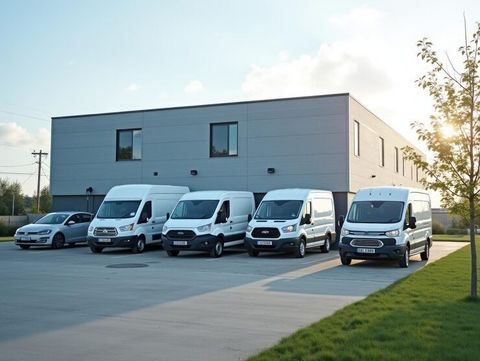
Cargo van rentals are arrangements in which a person or organization uses a van for a defined period to move goods, equipment, packages, tools, or household items. A cargo van usually has an enclosed rear compartment with limited seating and is designed around the movement of materials rather than passengers.
Cargo vans are available in several shapes and sizes. Small vans can handle compact loads for city travel, while larger panel vans provide more floor length and interior height. Some models have sliding side doors, rear doors, shelving, partitions, tie-down points, reversing cameras, or loading aids. These features can change how a van fits a particular task.
How cargo van rentals work
A rental arrangement generally involves selecting a vehicle category, checking its permitted use, reviewing the rental period, and confirming the documents required by the vehicle provider. The driver normally needs a valid driving licence appropriate for the vehicle and must follow the terms attached to the vehicle and its registration.
Payload, gross vehicle weight, cargo dimensions, axle limits, and tie-down points all matter. A load that fits inside the cargo area can still be unsuitable if it exceeds a permitted weight.
Common cargo van categories
Cargo vans can be grouped broadly by body size and intended load pattern:
- Compact cargo vans: suited to smaller parcels, tools, documents, and light equipment.
- Standard panel vans: provide a larger enclosed cargo area for household goods, cartons, or equipment.
- High-roof vans: provide additional interior height for taller items.
- Long-wheelbase vans: provide additional floor length for bulky items.
- Refrigerated vans: use temperature-control equipment for goods requiring controlled conditions.
Importance
Cargo van rentals matter because many transport needs fall between a passenger car and a heavy truck. A household move involving several boxes, a small business transporting equipment, or a project requiring bulky materials may need enclosed cargo space without the dimensions of a large commercial vehicle.
For everyday users, the main challenge is matching the vehicle with the load. Choosing by appearance alone can lead to insufficient payload, limited door clearance, awkward loading, or parking problems. Understanding cargo capacity and dimensions helps with basic planning.
Capacity and load planning
Cargo capacity has two parts: physical volume and weight capacity. Volume describes available space, while payload describes permitted cargo weight.
| Cargo van factor | What it describes | Why it matters |
|---|---|---|
| Cargo volume | Interior space available | Determines how much can fit |
| Payload | Permitted cargo weight | Helps prevent overloading |
| Cargo length | Usable floor length | Matters for long objects |
| Cargo height | Vertical clearance | Matters for tall items |
| Door opening | Width and height of access | Affects loading |
| Wheel-arch space | Space occupied inside the cargo area | Affects usable floor area |
Heavy items should be distributed so the load remains stable and does not create excessive weight over one axle. Fragile items may need separation from heavier materials.
Common uses
Cargo vans can be used for household moves, equipment transport, small-scale distribution, event materials, maintenance supplies, furniture movement, and other tasks involving enclosed cargo. Their enclosed body can help shield goods from weather compared with an open cargo bed, although suitability depends on the material.
Recent Updates
During the 2024–2026 period, cargo van rental practices have continued moving toward digital processes. Online vehicle selection, electronic document checks, digital payment records, fleet tools, and mobile booking systems are increasingly common.
Driver-assistance and connected-vehicle features have also expanded. Depending on the model, a cargo van may include reversing cameras, parking sensors, lane-related alerts, telematics, or electronic stability systems. These features do not replace careful driving or load planning.
Electric commercial vans are also receiving greater attention as manufacturers expand electric vehicle ranges. Their practical suitability depends on battery capacity, payload, charging access, route length, weather, traffic, and local charging infrastructure.
Digital highway and vehicle documentation
FASTag remains an important part of road travel in India. NHAI introduced the One Vehicle, One FASTag initiative to reduce the use of multiple tags for one vehicle and strengthen electronic toll collection. NHAI has also continued refining FASTag verification procedures, including changes to the Know Your Vehicle process for car, jeep, and van category tags.
For a rented vehicle, the user should understand how toll payments are handled under the rental agreement. The process can differ by vehicle category.
Laws or Policies
In India, cargo vans used as transport vehicles are governed by the Motor Vehicles Act, 1988, the Central Motor Vehicles Rules, and applicable state transport rules. Section 66 establishes the general requirement for a permit when a transport vehicle is used in a public place, subject to the exceptions stated in the law.
Goods vehicles can require appropriate goods carriage permits, and permit conditions can vary according to the operating area. Parivahan information describes local goods carriage permits and national permits for goods vehicles, including light goods vehicles and heavier categories.
Registration, insurance, pollution certification, and other vehicle documents are also important. Parivahan states that a motor vehicle must be registered before it is driven or allowed to be driven in a public place, and transport-vehicle registration procedures can involve permit-related documentation.
A driver should also confirm that the driving licence category is appropriate for the particular van and that the vehicle is being used within its registered purpose. State-level rules can differ, especially for commercial operation, interstate movement, taxation, and permits.
Documents and compliance checks
Before using a cargo van, relevant documents may include:
- Registration certificate and vehicle identification details.
- Valid motor insurance documentation.
- Pollution Under Control certificate where applicable.
- Fitness documentation for a transport vehicle where required.
- Appropriate permit documentation when the vehicle is operated as a transport vehicle.
- A valid driving licence for the vehicle category.
- FASTag and related toll-account arrangements.
Electronic versions of several transport documents can be produced through approved digital systems where permitted.
Tools and Resources
Several resources can help readers understand cargo van rentals and vehicle requirements. The Parivahan Sewa portal provides information and online facilities related to registration, permits, licences, and other motor-vehicle matters. VAHAN is used for vehicle records and permit processes.
NHAI's toll information tools can help identify toll plazas and vehicle classifications on particular highway routes. FASTag issuer platforms can also provide account and transaction information associated with the tag.
Practical planning tools
A simple cargo planning worksheet can record item dimensions, approximate weights, loading order, and trip requirements. A route-planning application can estimate distance and identify restrictions, while a measurement checklist can compare the longest, widest, and tallest items with the cargo area.
A useful checklist can include:
- Cargo volume and payload requirements.
- Interior length, width, and height.
- Door opening dimensions and tie-down points.
- Fuel or charging arrangements.
- Toll and FASTag procedures.
- Permitted travel area and vehicle-use conditions.
- Required documents and emergency contact information.
FAQs
What are cargo van rentals used for?
Cargo van rentals are commonly used for moving household items, cartons, equipment, tools, furniture, event materials, and other goods that need enclosed road transport. The appropriate vehicle depends on the load's size, weight, and handling requirements.
How much cargo can a cargo van carry?
Cargo capacity depends on the specific model. Readers should check both the cargo volume and the manufacturer's or registration-related payload limit because available interior space does not indicate the permitted weight.
What should I check before using cargo van rentals?
Check the vehicle dimensions, payload, door openings, load-securing points, insurance documentation, registration, permit requirements, and the rules governing the rental arrangement. It is also useful to confirm how tolls and FASTag transactions are handled.
Do cargo van rentals require a special licence in India?
The required licence depends on the vehicle category and applicable rules. A driver should confirm that the licence held is valid for the specific vehicle being driven and should follow the requirements applicable to transport vehicles.
Are electric cargo vans suitable for rental use?
Electric cargo vans can be suitable for routes where their range, payload, charging access, and operating conditions match the planned journey. These factors vary by vehicle model and location, so they should be considered together rather than based only on the vehicle's body size.
Conclusion
Cargo van rentals provide a flexible way to use an enclosed goods vehicle for short-term or occasional transport needs. Understanding vehicle types, cargo volume, payload, dimensions, features, and common uses helps explain why different vans suit different loads. In India, registration, insurance, permits, pollution requirements, driving licences, and toll arrangements can affect how a cargo van may be used. Current rental practices are also being shaped by digital documentation, connected-vehicle features, and growing interest in electric commercial vehicles.