Caravan Rentals Guide: Rental Types, Amenities, Travel Options, Features and Key Considerations
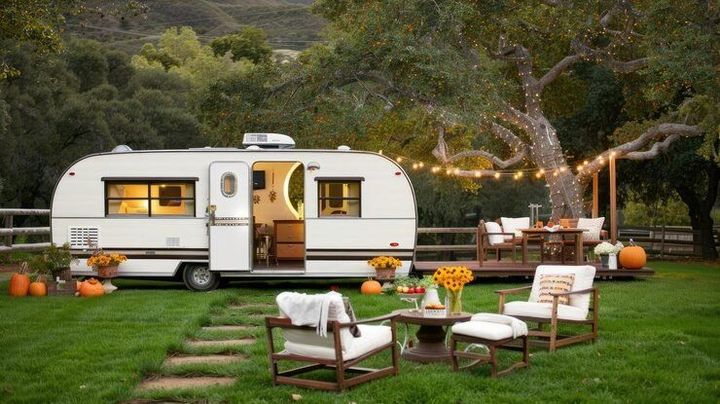
Caravan rentals are a form of road-based travel in which a vehicle or towable unit provides transport and temporary living space during a journey. A caravan can range from a compact trailer with sleeping areas to a larger motor caravan with a driving cabin, kitchen, storage, seating, and washroom facilities. The idea developed from traditional camping and touring, combining mobility with a more structured place to stay.
Context
Caravan rentals are a form of road-based travel in which a vehicle or towable unit provides transport and temporary living space during a journey. A caravan can range from a compact trailer with sleeping areas to a larger motor caravan with a driving cabin, kitchen, storage, seating, and washroom facilities. The idea developed from traditional camping and touring, combining mobility with a more structured place to stay.
In India, caravan travel connects with the wider growth of road tourism, rural tourism, nature travel, and outdoor recreation. The Ministry of Tourism has published guidance for caravan parks and campervan tourism, while recent government discussions continue to recognize caravan tourism as a tourism product that can reach remote destinations. Development and regulation are largely handled by state and Union Territory authorities, so requirements can differ by location.
For readers researching caravan rentals, the main task is understanding how different units work and what is included. Rental types, vehicle size, sleeping arrangements, kitchen equipment, water systems, power supply, parking needs, and driving rules can affect a journey.
Importance
Caravan travel combines movement and accommodation in one travel setup. It can suit families, couples, groups, photographers, outdoor enthusiasts, and travelers visiting places where conventional accommodation is limited.
A caravan can change how a journey is planned. Travelers may organize routes around suitable parking areas or caravan parks, while considering road conditions, vehicle dimensions, fuel, water capacity, waste disposal, and local parking rules.
Common reasons people consider caravan rentals
The choice usually depends on the type of journey. Common considerations include:
- Road trips involving several destinations
- Family travel with dedicated sleeping space
- Outdoor trips near nature areas
- Longer journeys where onboard storage is useful
- Group travel requiring flexible sleeping arrangements
- Travel plans that include designated caravan parks
Key features to compare
Different caravan rentals can have very different layouts. A compact unit may focus on sleeping and basic cooking, while a larger motor caravan may include a refrigerator, cooking area, dining space, toilet, shower, heating, air conditioning, and additional storage.
Important features include the number of sleeping berths, bed arrangement, kitchen equipment, water tank capacity, electrical connections, battery systems, ventilation, heating or cooling, toilet configuration, and storage. Travelers should also understand whether the unit is self-driven or designed to be towed.
Recent Updates
From 2024 through 2026, caravan tourism in India has continued to appear within broader discussions about destination development, rural tourism, sustainable tourism, and outdoor travel. The Ministry of Tourism has maintained national strategies covering rural and sustainable tourism, while its current guidance materials continue to include frameworks relevant to tourism infrastructure and destination development.
A notable recent development is the continued government attention to caravan tourism itself. In a 2026 parliamentary response, the Ministry of Tourism stated that development and promotion of caravan tourism are primarily undertaken by the relevant State Government or Union Territory Administration. The response also discussed caravan tourism in connection with coastal, eco, adventure, wildlife, desert, forest, beach, and riverside destinations, subject to safety and environmental considerations.
The broader direction is toward more structured road-based tourism, with attention to destination infrastructure, designated parking, sanitation, waste management, safety, and links with rural or nature-based destinations.
Travel planning is becoming more information-driven
Digital maps, navigation applications, weather tools, campground directories, and vehicle information can help plan routes. Vehicle height, width, turning space, road surface, parking access, and overnight rules can affect whether a destination is practical.
Laws or Policies
In India, caravan travel is affected by both tourism guidance and motor vehicle rules. There is not one single national rule covering every aspect of caravan rentals. Vehicle registration, road use, insurance, permits where applicable, taxation, and local requirements can depend on the vehicle category and the state or Union Territory involved.
The Ministry of Tourism's caravan park guidance describes operational requirements such as appropriate licenses or NOCs, fire-related clearance where applicable, public liability insurance, compatible electricity and water connections, sewage arrangements, safety measures, and first-aid provisions. These guidelines are useful for understanding the infrastructure expected at organized caravan parks.
Motor vehicle registration is handled under the Motor Vehicles Act and Central Motor Vehicle Rules, with state transport authorities involved in implementation. Parivahan states that a motor vehicle generally must be registered before it can be driven or allowed to be driven in a public place. Registration documentation can include insurance, pollution certification, roadworthiness documents, and other papers depending on the vehicle and state requirements.
For a rental vehicle, travelers should verify the registration category, insurance status, pollution certificate where applicable, and any permit requirements before travelling across state borders. A driving licence must also match the class of vehicle being driven. Official Parivahan forms include procedures for driving licences, vehicle registration, and related vehicle documentation.
Local rules also matter
Local authorities may control parking, camping, access to protected areas, waste disposal, fire use, and overnight stays. A location that permits daytime vehicle access may not automatically permit overnight parking or camping. Protected forests, wildlife areas, coastal zones, and other sensitive locations can have additional restrictions.
Tools and Resources
Several practical resources can help readers understand caravan rentals and prepare a trip.
- Parivahan Sewa: Useful for checking official information about vehicle registration, driving licences, forms, and transport-related procedures.
- Ministry of Tourism: Provides national tourism strategies, caravan-related guidance, destination development information, and current policy material.
- Digital mapping platforms: Useful for checking road routes, estimated travel times, fuel locations, parking areas, and access roads.
- Weather applications: Useful for checking conditions that may affect driving, camping, mountain routes, coastal areas, and outdoor activities.
- Vehicle checklists: A simple checklist can record documents, tyre condition, lights, water levels, battery status, cooking equipment, emergency supplies, and waste-storage arrangements.
- Caravan park directories: These can help identify designated overnight locations and compare available facilities, although travelers should confirm current local rules directly.
Basic comparison table
| Caravan feature | Compact caravan | Family caravan | Motor caravan |
|---|---|---|---|
| Driving method | Usually towed | Usually towed | Self-driven |
| Sleeping capacity | Limited | Moderate | Varies |
| Kitchen space | Basic | Moderate | Moderate to full |
| Storage | Limited | Moderate | Often larger |
| Bathroom | May be absent | May be included | Often available |
| Route considerations | Tow access | Tow access and size | Vehicle height and width |
The table shows general patterns rather than fixed specifications. Actual layouts and equipment vary by model and rental arrangement.
What to check before a journey
A practical checklist can reduce confusion during a trip. Travelers can review:
- Vehicle registration and insurance documents
- Driving licence requirements
- Fuel or charging arrangements
- Water and wastewater capacity
- Electricity and battery setup
- Tyres, lights, brakes, and safety equipment
- Sleeping capacity and interior layout
- Kitchen and refrigeration equipment
- Toilet and sanitation arrangements
- Parking and overnight rules at planned destinations
FAQs
What are caravan rentals?
Caravan rentals are arrangements in which a traveler uses a caravan for a defined period under agreed rental conditions. The unit may be a towable caravan or a motor caravan, depending on the vehicle type.
What should I check when comparing caravan rentals?
Check the sleeping capacity, driving or towing requirements, kitchen and bathroom facilities, storage, power system, water capacity, insurance, registration documents, and any mileage or usage conditions stated in the rental agreement.
Do caravan rentals require a special driving licence in India?
The required licence depends on the vehicle category and how it is classified under applicable motor vehicle rules. Travelers should verify the vehicle's registration category and current licence requirements through the relevant transport authority before driving.
Can a caravan stay anywhere overnight?
No. Overnight parking or camping can be subject to local rules, private property permissions, protected-area restrictions, and designated caravan park requirements. Travelers should check the rules for each destination.
What amenities are common in caravan rentals?
Common amenities can include beds, seating, storage, cooking equipment, refrigeration, water tanks, electrical systems, heating or cooling, and sanitation facilities. The exact combination varies by caravan type and model.
Conclusion
Caravan rentals provide a mobile travel format that combines road travel with temporary living space. Understanding rental types, amenities, vehicle requirements, route conditions, parking rules, and documentation is important for planning a suitable journey. In India, caravan tourism is shaped by national tourism guidance as well as state and local rules. Current developments show continued interest in connecting caravan travel with rural, nature-based, adventure, and destination tourism.

You May Also Like