Bridal Jewellery Guide: Necklace Styles, Earrings, Bracelets, Rings and Bridal Styling Tips
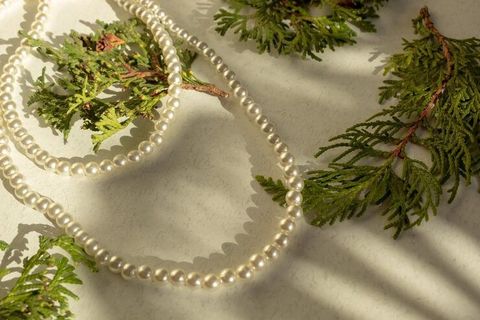
Bridal jewellery has long been associated with wedding clothing, cultural traditions, family customs, and personal style. It can include necklaces, earrings, bracelets, bangles, rings, hair ornaments, waist jewellery, and other decorative pieces worn during wedding ceremonies and related celebrations. The materials and designs vary widely, with gold, silver, platinum, diamonds, pearls, and colored gemstones appearing in different jewellery traditions.
Context
Bridal jewellery has long been associated with wedding clothing, cultural traditions, family customs, and personal style. It can include necklaces, earrings, bracelets, bangles, rings, hair ornaments, waist jewellery, and other decorative pieces worn during wedding ceremonies and related celebrations. The materials and designs vary widely, with gold, silver, platinum, diamonds, pearls, and colored gemstones appearing in different jewellery traditions.
A bridal jewellery set is often planned around the clothing, neckline, hairstyle, ceremony, and overall appearance. Rather than treating every piece separately, bridal styling generally considers how necklaces, earrings, bracelets, and rings work together.
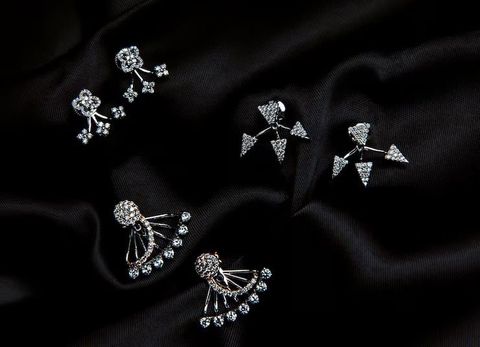
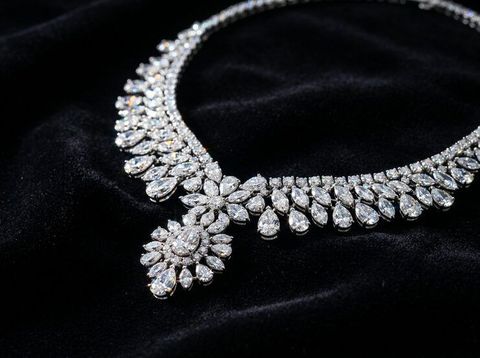
Necklace styles can range from short collar designs and chokers to longer pendant necklaces and layered arrangements. Earrings may include studs, drops, hoops, chandeliers, or traditional designs. Bracelets and bangles can be worn individually or combined, while rings may be selected for their symbolism, appearance, or relationship to other jewellery pieces.
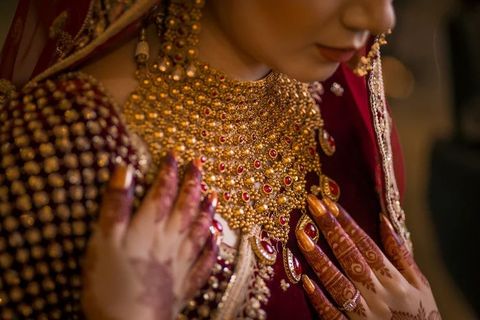
The choice of jewellery can also reflect regional traditions and family customs. Some brides prefer elaborate sets with several coordinated pieces, while others use a smaller number of distinctive items. Contemporary bridal styling has expanded this range by combining traditional jewellery with simpler or more personalized pieces.
Understanding the main jewellery categories
Each jewellery category has a different visual and practical role.
| Jewellery type | Common styles | Main styling consideration |
|---|---|---|
| Necklace | Choker, collar, pendant, layered, long necklace | Neckline and garment design |
| Earrings | Studs, drops, hoops, chandeliers | Hairstyle and face framing |
| Bracelets | Chain, cuff, bangle, layered | Sleeve length and wrist movement |
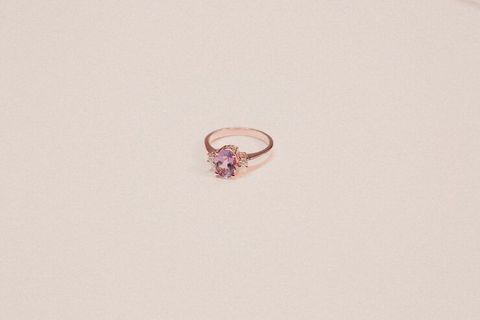
| Rings | Band, gemstone, stack, statement ring | Hand appearance and coordination |
| Hair jewellery | Pins, chains, combs, tiaras | Hairstyle and head covering |
| Waist jewellery | Chains, belts, traditional ornaments | Garment structure and ceremony |
Importance
Bridal jewellery matters because wedding clothing and accessories are usually planned as a coordinated appearance. Jewellery can add visual detail to a plain neckline, complement an embellished garment, or create contrast when the clothing contains fewer decorative elements.
It also has cultural and emotional significance. Jewellery may be inherited from family members, selected for a particular ceremony, or connected with customs associated with marriage. In some families, particular pieces are worn for symbolic reasons rather than simply as decorative accessories.
Matching jewellery with clothing
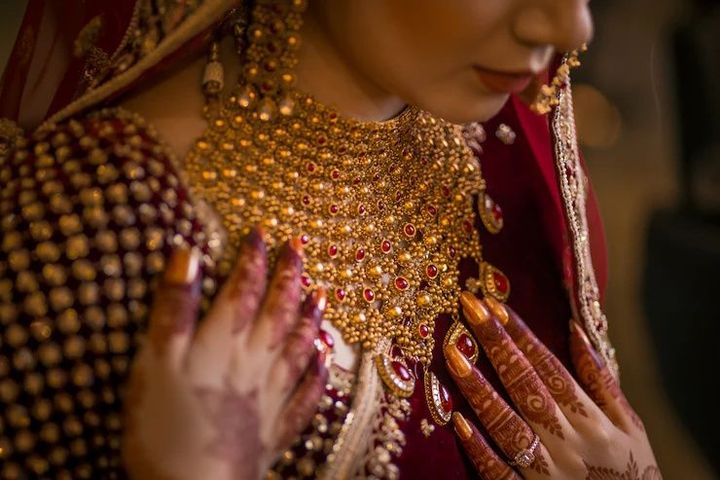
The neckline is one of the main factors when selecting a bridal necklace. A high neckline can work with a shorter necklace or may be left without a necklace when the garment itself contains substantial decoration. Lower or open necklines provide more space for pendants, layered necklaces, or wider necklace designs.
The visual weight of the jewellery and clothing can also be considered together. A heavily embroidered outfit may already contain significant detail, while a simpler garment can provide more visual space for a prominent necklace or earrings.
Coordinating earrings, bracelets and rings
Earrings frame the face and are particularly noticeable when the hairstyle exposes the ears and neck. Larger earrings can become a central feature, while smaller designs can allow the necklace to remain the main focus.
Bracelets and bangles introduce detail around the hands and wrists. Their width, number, and movement can be considered in relation to sleeve length and other jewellery. Rings are generally smaller visual elements, but several rings worn together can create a layered appearance.
A coordinated bridal jewellery arrangement can be planned around:
- The neckline and fabric of the outfit
- Hairstyle and hair accessories
- Sleeve length and wrist exposure
- Metal color and finish
- Gemstone colors
- Ceremony requirements
- Comfort during extended wear
Balancing traditional and contemporary styles
Traditional bridal jewellery may contain detailed craftsmanship, symbolic motifs, or designs associated with a particular culture. Contemporary jewellery can use simpler shapes, mixed metals, geometric forms, or unusual gemstone arrangements.
The two approaches can also be combined. For example, a traditional necklace may be paired with understated earrings, or a classic bridal set may be combined with a modern bracelet or ring.
Recent Updates
Bridal jewellery trends from 2024 through 2026 have shown greater interest in individual styling, vintage references, colored gemstones, mixed metals, and jewellery with a more distinctive visual identity. Recent fashion coverage has also described movement away from strictly conventional bridal ring designs toward more individual pieces and substantial bands.
This does not mean that traditional jewellery has disappeared. Instead, contemporary bridal styling includes a wider range of combinations, allowing traditional necklaces, earrings, and bangles to appear alongside simpler or more modern pieces.
Personalization and vintage influences
Vintage-inspired jewellery has received attention in recent bridal fashion coverage, including designs influenced by earlier periods and historical jewellery shapes. Colored gemstones and mixed-metal arrangements have also appeared in contemporary bridal styling discussions.
Personalization can involve choosing an unusual gemstone, selecting a distinctive ring shape, combining different metal finishes, or using family jewellery alongside newly designed pieces. This approach can create a connection between traditional wedding customs and individual preferences.
Jewellery as a coordinated set
Another current direction is treating bridal jewellery as a complete styling system rather than selecting every piece independently. The necklace, earrings, bracelet, and rings can share a metal finish, gemstone palette, motif, or design language.
This approach is particularly useful when bridal clothing already contains several colors and decorative elements. Coordination can prevent the accessories from appearing visually disconnected.
Laws or Policies
Jewellery is affected by rules concerning precious-metal purity, hallmarking, product descriptions, consumer protection, gemstone disclosure, taxation, and business practices. The exact requirements vary between jurisdictions, so bridal jewellery purchasers and jewellery businesses need to follow the rules applicable to their location.
Hallmarking systems are used in many markets to identify the fineness or purity of precious-metal articles. In jurisdictions with mandatory hallmarking, particular marks may indicate the metal standard, testing authority, registration information, or identification number.
Gemstone descriptions can also be subject to consumer-protection requirements. Information concerning whether a stone is natural, laboratory-grown, treated, synthetic, or imitation may need to be communicated according to applicable rules.
Records and jewellery documentation
Documentation can be useful for understanding the characteristics of a jewellery piece. Depending on the jurisdiction and jewellery type, relevant records may include:
- Metal purity or fineness information
- Hallmark identification
- Gemstone descriptions
- Weight information
- Product specifications
- Receipts or invoices
- Laboratory reports where applicable
- Warranty or care documentation where applicable
The terminology used for diamonds and gemstones can differ between markets and organizations. For significant jewellery pieces, documentation should be read carefully rather than relying solely on descriptive labels.
Tools and Resources
Several practical resources can help with bridal jewellery planning and comparison. Jewellery measurement guides can help with ring sizing, while necklace-length references can help estimate how different necklace styles sit relative to a neckline.
Jewellery planning tools
A bridal styling worksheet can record the major components of an outfit and identify how each jewellery category relates to it. A simple worksheet can include:
- Wedding outfit and neckline
- Main necklace style
- Earring type
- Bracelet or bangle arrangement
- Ring style
- Hair accessory
- Metal color
- Gemstone palette
- Ceremony and reception requirements
This can make it easier to identify combinations that may be visually repetitive or excessively detailed.
Ring and bracelet measurements
Ring-sizing guides and printable measurement references can help estimate finger size, although measurements can vary with temperature, time of day, and measurement technique. Bracelets also require consideration of wrist circumference and the desired amount of movement.
Jewellery care information
Manufacturer documentation, professional gemological organizations, and recognized jewellery associations can provide information about gemstone properties, metal characteristics, cleaning methods, and storage.
Different gemstones respond differently to heat, chemicals, impact, and ultrasonic cleaning. Therefore, a general cleaning method should not automatically be applied to every piece.
Digital styling references
Digital mood boards can help organize photographs, clothing colors, necklace shapes, earring silhouettes, gemstone colors, and hairstyle references. They can also make it easier to compare how several jewellery combinations relate to the same bridal outfit.
FAQs
How do I choose bridal jewellery for a wedding outfit?
Consider the neckline, fabric decoration, hairstyle, metal color, gemstone colors, and overall visual weight of the outfit. Necklace styles should work with the neckline, while earrings should complement the hairstyle and face-framing effect.
Which necklace styles work for bridal jewellery?
Common necklace styles include chokers, collar necklaces, pendant designs, layered necklaces, and longer traditional arrangements. The appropriate style depends on the neckline, clothing decoration, ceremony, and desired visual balance.
How should bridal earrings and bracelets be coordinated?
Earrings and bracelets can share a metal finish, gemstone color, or design motif with the necklace. When the necklace is visually substantial, smaller earrings or simpler bracelets can create a more balanced arrangement.
What should I consider when choosing bridal rings?
Ring selection can involve finger proportions, metal type, gemstone characteristics, personal preferences, and coordination with other jewellery. If several rings will be worn together, their shapes and widths should also be considered as a group.
How can traditional and modern bridal jewellery be combined?
Traditional and modern pieces can be combined through shared metal colors, complementary gemstone palettes, or similar design details. For example, a traditional necklace can be paired with contemporary earrings or a simpler ring.
Conclusion
Bridal jewellery includes necklaces, earrings, bracelets, rings, and other accessories that contribute to the overall appearance and cultural character of wedding attire. Necklace styles and other jewellery pieces can be coordinated with clothing, hairstyle, metal finishes, gemstones, and ceremony requirements. Recent bridal styling has included greater variety in personalized, vintage-inspired, colored-gemstone, and mixed-metal designs while traditional jewellery remains part of many wedding customs. Jewellery planning also involves practical considerations such as sizing, care, documentation, metal purity, and applicable regulations.