AI in Machinery Guide: Technologies, Applications, Automation, Benefits and Industry Uses
Artificial intelligence (AI) in machinery refers to the use of software systems that can analyze data, identify patterns, support decisions, or adjust machine behavior. It brings together machine learning, computer vision, sensors, robotics, data analysis, and industrial control systems. The idea developed from efforts to make machines more aware of operating conditions rather than relying only on fixed instructions.
Modern machinery can generate large amounts of information through temperature sensors, vibration monitors, cameras, pressure gauges, motors, and control units. AI can process these signals to identify unusual patterns, classify images, estimate equipment conditions, or support automated decisions. In an industrial setting, this can connect physical machines with digital systems used for monitoring and planning.
How AI works with machinery
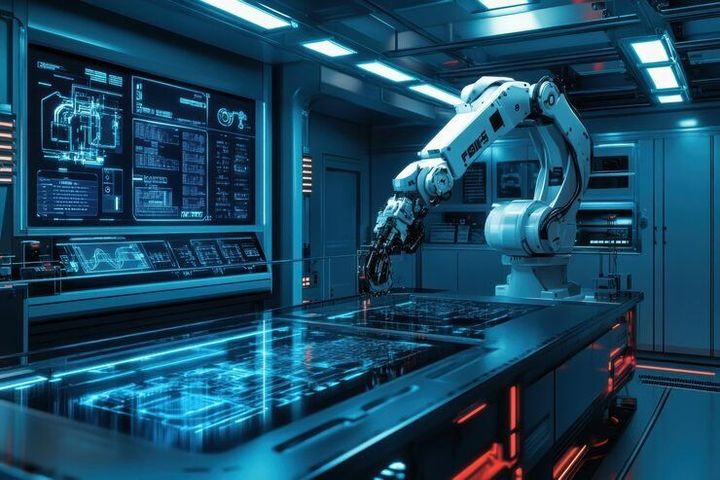
A typical AI-enabled machine has several connected parts. Sensors collect information, software prepares the data, an AI model analyzes it, and a control or monitoring system presents the result. In some applications, the output can be used by an automated controller, while in others it is reviewed by a person before an action is taken.
Common technologies include:
- Machine learning for pattern recognition and prediction
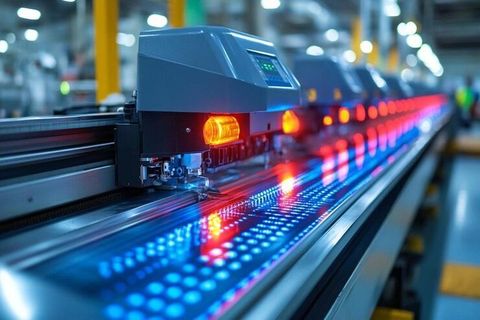
- Computer vision for inspecting parts, surfaces, and work areas
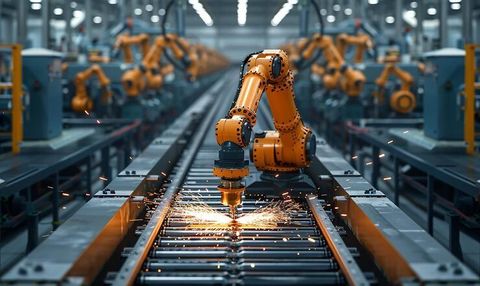
- Robotics for movement, handling, and repetitive operations
- Edge computing for processing data close to the machine
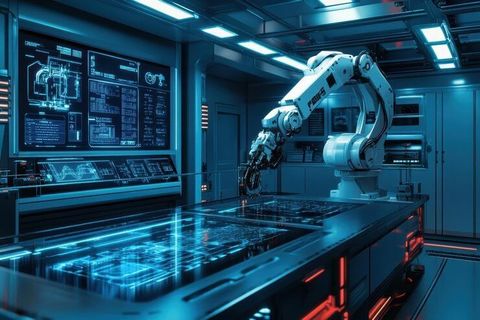
- Digital twins for studying machine behavior in a virtual environment
- Industrial Internet of Things systems for connecting equipment and data
Importance
AI in machinery matters because industrial equipment often operates under changing conditions. Heat, vibration, pressure, load, material variation, and operating speed can affect machine behavior. Traditional control systems can handle defined conditions, while AI can add another layer of analysis when large and varied data sets are available.
Problems AI can address
One application is condition monitoring. An AI model can examine vibration, temperature, current, or pressure readings and identify patterns that may require inspection. This approach can support maintenance planning and help operators understand changes before a machine reaches an unexpected operating state.
Another application is quality inspection. Cameras and computer vision systems can examine products for visible differences such as surface marks, incorrect positioning, shape variation, or missing components. The system can classify images according to defined criteria, while human review can remain part of the process when decisions have safety or quality implications.
AI can also support production planning and energy analysis. Historical operating data can be used to study production patterns, machine utilization, and energy behavior. These systems do not remove the need for engineering judgment because results depend on data quality, model design, machine condition, and the operating environment.
Industries using AI in machinery
AI applications appear across several industries, including:
- Manufacturing: inspection, process monitoring, robotics, and equipment analysis
- Automotive production: vision inspection, robotic assembly, and production monitoring
- Food processing: sorting, packaging inspection, and process control
- Construction equipment: machine monitoring, fleet data analysis, and operator assistance
- Agriculture: crop monitoring, automated equipment, and machine guidance
- Warehousing: robotic movement, inventory handling, and route planning
- Energy: equipment monitoring, anomaly detection, and operational analysis
Recent Updates
From 2024 through 2026, AI development has increasingly moved toward practical industrial use. In India, the IndiaAI Mission has supported work around computing capacity, datasets, AI applications, skills, and safe and trusted AI. Government material also identifies robotics, computer vision, Internet of Things systems, and AI as areas of emerging-technology activity.
Shift toward edge and connected systems
A noticeable direction is the use of edge AI, where data can be processed near the machine instead of sending every measurement to a remote system. This can reduce dependence on continuous data transfer and can support applications that need rapid responses. Connected sensors and industrial networks are also making it easier to combine machine data with production and maintenance records.
More attention to responsible AI
Industrial AI is also receiving more attention around safety, transparency, data handling, testing, and human oversight. In Europe, the AI Act has established a risk-based framework, with an extended timeline for certain high-risk AI systems embedded in physical products such as machinery. Under the current European Commission timeline, rules for those systems are scheduled to apply from August 2028.
Laws or Policies
In India, AI in machinery is shaped by several layers of rules rather than one single machinery-AI law. Factory safety, occupational safety, data protection, electrical requirements, product standards, and sector-specific rules can all matter depending on the equipment and application.
Occupational and machinery safety
The Occupational Safety, Health and Working Conditions Code, 2020 includes provisions relating to factories, dangerous operations, emergency standards, exposure limits, and responsibilities connected with hazardous processes. The Ministry of Labour and Employment has also published draft central rules under the Code. Requirements applicable to a particular factory can depend on the relevant central and state framework and the status of applicable rules.
For AI-enabled machinery, safety remains important even when AI is used only for monitoring. Systems that can influence machine movement or other physical actions need suitable safeguards, testing, supervision, and failure handling.
Data and digital systems
AI machinery may process production records, camera feeds, operator information, or other digital data. Where personal data is involved, organizations should consider India's Digital Personal Data Protection framework and related rules as applicable. India notified the Digital Personal Data Protection Rules, 2025, with provisions taking effect according to a phased timeline.
Data governance should address collection, use, access, retention, security, and the purpose for which information is processed. The exact obligations depend on the type of data, organization, processing activity, and applicable provisions.
Tools and Resources
Several resources can help readers understand AI in machinery without requiring advanced technical knowledge.
Government and standards resources
The IndiaAI portal provides information about India's national AI initiatives, including the IndiaAI Mission and related programs. MeitY also maintains information on AI and emerging technologies, including robotics, computer vision, and Internet of Things activities.
The NIST AI Risk Management Framework is another reference for understanding how organizations can identify and manage risks associated with AI systems. It is not a machinery-specific rulebook, but its concepts can help structure discussions around reliability, transparency, security, and human oversight.
Useful technical resources can include sensor dashboards, vibration analysis software, machine-vision tools, digital-twin platforms, programmable logic controllers, industrial communication systems, and maintenance records. Their suitability depends on the machine, data available, operating environment, and safety requirements.
Example AI machinery functions
| Function | Typical input | Possible output |
|---|---|---|
| Condition monitoring | Vibration and temperature | Pattern or anomaly indication |
| Visual inspection | Camera images | Classification of visible conditions |
| Process monitoring | Pressure, speed, and flow | Operating-state analysis |
| Predictive analysis | Historical machine data | Estimated condition trend |
| Robotic guidance | Cameras and position data | Movement instructions |
| Energy analysis | Power and operating data | Usage pattern |
FAQs
What is AI in machinery?
AI in machinery means using artificial intelligence techniques with machines and industrial equipment to analyze data, recognize patterns, support decisions, or adjust certain operations. The level of automation varies by application.
How is AI used in industrial automation?
AI can support industrial automation through machine vision, condition monitoring, robotic guidance, anomaly detection, process analysis, and data-based control. Some systems operate automatically, while others provide information for human review.
What are common AI machinery applications?
Common AI machinery applications include visual inspection, predictive analysis, equipment monitoring, robotic handling, process optimization, energy analysis, and production planning. The actual application depends on the machine and available data.
Does AI replace human control in machinery?
Not necessarily. AI can automate selected tasks, but human supervision may remain important for safety, quality decisions, system validation, and unusual operating conditions. The appropriate level of human involvement depends on the application and its risks.
What are the main benefits of AI in machinery?
Potential benefits include earlier identification of unusual machine behavior, more consistent data analysis, automated inspection, improved visibility into equipment conditions, and support for production planning. Results vary according to data quality, system design, and operating conditions.
Conclusion
AI in machinery combines machine learning, sensors, computer vision, robotics, and connected industrial systems to analyze equipment and support automation. Its applications include inspection, condition monitoring, robotic guidance, process analysis, and energy monitoring across multiple industries. From 2024 through 2026, attention has expanded toward practical deployment, edge computing, connected systems, and responsible AI. In India, machinery applications must also be considered alongside occupational safety, data protection, and other applicable technical requirements.