Worker Fatigue Monitoring: An Informative Guide to Methods, Technologies and Key Principles
Worker fatigue monitoring refers to methods and technologies used to identify signs of reduced alertness, tiredness, or declining attention during work. Fatigue can affect people who operate vehicles, machinery, industrial equipment, control systems, or perform tasks requiring sustained concentration.
Worker fatigue monitoring combines observation, work-schedule information, physiological measurements, and digital technologies to help organizations understand fatigue-related risks while maintaining appropriate privacy and workplace safety practices.
Context
What Is Worker Fatigue Monitoring?
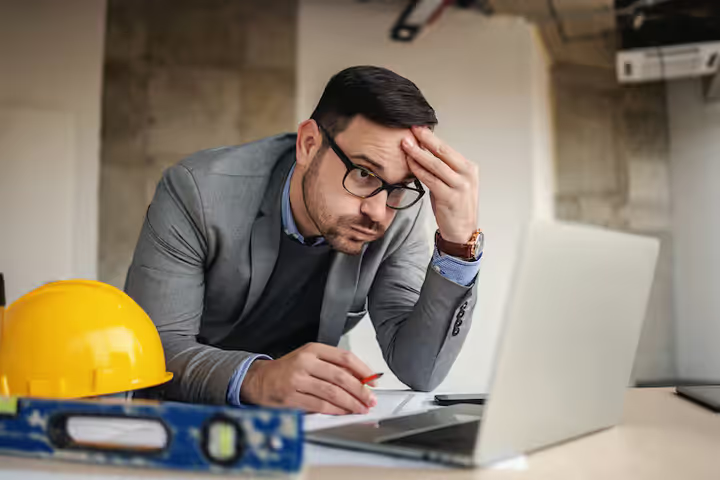
Worker fatigue monitoring is the process of assessing indicators that may suggest a person is becoming less alert or attentive during work. Fatigue can result from insufficient sleep, long working periods, irregular schedules, night shifts, demanding physical activity, repetitive tasks, or prolonged mental concentration.
Traditional approaches to fatigue management have relied on work-rest schedules, supervisor observations, employee reporting, and workplace risk assessments. Digital monitoring technologies have added another layer by measuring selected indicators associated with alertness.
The purpose is not simply to determine whether someone is tired. A meaningful fatigue-management program considers multiple factors, including working hours, shift patterns, task demands, environmental conditions, individual reports, and observed behavior.
How Worker Fatigue Monitoring Works
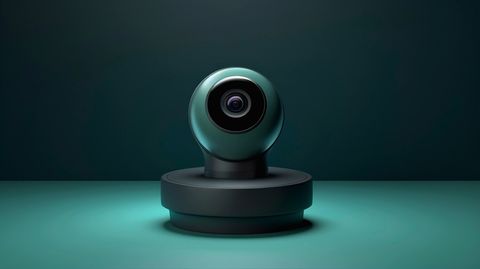
Different systems use different indicators. Camera-based systems may examine eye closure, blinking patterns, head position, facial movement, or gaze direction. Wearable devices may measure movement, heart-rate-related information, or activity patterns.
Other systems analyze work schedules and shift duration rather than directly measuring a person's physical condition. Some platforms combine several data sources to identify patterns that may require attention.
A typical monitoring process can include:
- Risk assessment: Identifying tasks and conditions where fatigue could create safety concerns.
- Data collection: Gathering information through schedules, observations, questionnaires, wearables, or cameras.
- Analysis: Comparing measurements with established patterns or predefined thresholds.
- Alerting: Generating an indication when selected fatigue-related signals change.
- Human assessment: Reviewing the context before taking any workplace action.
- Response: Applying appropriate rest, task adjustment, communication, or other fatigue-management measures.
Types of Worker Fatigue Monitoring
Several approaches can be used independently or together.
| Monitoring approach | Main information examined | Example application |
|---|---|---|
| Camera-based monitoring | Eye closure, gaze, head position | Vehicle and equipment operation |
| Wearable monitoring | Movement and selected physiological signals | Industrial and field activities |
| Schedule analysis | Shift length, work periods, rest intervals | Shift-based workplaces |
| Behavioral observation | Attention, movement, task behavior | Industrial operations |
| Self-report tools | Perceived tiredness and alertness | General workplace assessment |
| Combined systems | Multiple data sources | Higher-risk operating environments |
Fatigue and Human Performance
Fatigue can influence reaction time, concentration, decision-making, memory, and coordination. Its effects can vary from person to person and may change according to sleep, workload, health, environment, and time of day.
For this reason, a monitoring system should not be treated as a direct medical diagnosis. A fatigue alert is generally an indicator that additional attention or assessment may be appropriate.
Importance
Workplace Safety
Fatigue can become a safety concern when a task requires sustained attention or quick responses. Examples include driving, operating heavy machinery, working near moving equipment, controlling industrial processes, and performing activities where an error could have serious consequences.
Worker fatigue monitoring can provide additional information for these environments. It does not replace adequate staffing, appropriate work-rest arrangements, training, supervision, or established safety procedures.
Shift Work and Irregular Schedules
Night shifts and rotating schedules can affect normal sleep patterns. Workers may have difficulty maintaining consistent sleep when working hours change frequently.
Organizations can examine shift schedules alongside fatigue indicators to identify periods that may require additional risk controls. Schedule analysis can also help distinguish fatigue associated with work patterns from other potential causes.
Transportation and Industrial Operations
Fatigue monitoring has particular relevance to transportation and industrial environments. Drivers, machine operators, control-room personnel, and workers handling equipment may need sustained attention for long periods.
Some systems provide alerts when predefined indicators of reduced alertness are detected. The appropriate response depends on the workplace procedure, task, and circumstances.
Supporting Fatigue Risk Management
Fatigue management is broader than monitoring technology. A workplace program can include:
- Appropriate shift planning
- Adequate rest periods
- Education about sleep and fatigue
- Reporting procedures
- Task rotation where appropriate
- Environmental controls
- Supervisor awareness
- Review of fatigue-related incidents
Monitoring can provide another source of information within this broader framework.
Privacy and Human Factors
Worker monitoring can involve sensitive personal information, particularly when cameras, wearable devices, biometric measurements, or behavioral records are used. Organizations therefore need clear rules concerning what is collected, why it is collected, who can access it, and how long it is retained.
Workers should understand how monitoring operates and how information is used. Transparency is important because fatigue technology should be considered within both safety and privacy frameworks.
Recent Updates
Camera-Based Detection
Recent developments in computer vision have expanded the use of cameras for monitoring alertness. Systems can analyze facial landmarks, eyelid movement, gaze direction, head position, and other visual indicators.
Modern image-processing systems can operate in real time, although performance can be affected by lighting, camera position, protective equipment, glasses, facial coverings, and individual differences.
Wearable Technology
Wearable devices are increasingly used for activity and physiological monitoring. Depending on the device, measurements may include movement, heart rate, skin-related signals, or sleep-related information.
These measurements can provide additional context, but they do not independently establish whether a person is fit to perform a particular task. Data interpretation requires attention to measurement limitations and the specific workplace environment.
Artificial Intelligence and Data Analysis
Artificial intelligence and machine-learning techniques are being applied to fatigue-related data. Algorithms can identify patterns across multiple measurements and compare current behavior with previously observed patterns.
A major consideration is data quality. Systems need appropriate training data, validation, calibration, and monitoring for false alerts or missed events. Human review remains relevant when fatigue information is used in safety decisions.
Edge Computing and Connected Systems
Some monitoring systems process information directly on cameras, wearable devices, or nearby computing equipment. This can reduce the amount of raw information transmitted to central systems.
Connected platforms may also combine fatigue indicators with shift schedules, equipment information, environmental conditions, or incident records. Such integration can provide broader context for fatigue-risk assessment.
Greater Attention to Privacy
As monitoring technologies become more capable, organizations are placing greater emphasis on privacy, transparency, data minimization, access controls, and retention policies. This is particularly important when systems process identifiable images or physiological information.
The design of a fatigue-monitoring program increasingly involves both technical and organizational controls rather than technology alone.
Laws or Policies
Workplace Safety in India
In India, fatigue management can fall within broader occupational safety and workplace risk-management responsibilities. The Occupational Safety, Health and Working Conditions Code, 2020 provides a national framework concerning occupational safety and working conditions, while implementation involves applicable central and state authorities.
Specific requirements can vary according to the industry, establishment, workforce, and applicable rules. Organizations should assess fatigue as part of their broader workplace hazard-management processes where relevant.
Working Hours and Rest
Working hours, shift arrangements, rest periods, and related conditions can be subject to applicable labour and occupational safety requirements. Certain industries, including transportation and other safety-sensitive operations, may have additional rules concerning working and rest periods.
Fatigue monitoring does not replace compliance with statutory work-hour and rest requirements. Technology should be considered an additional source of information within the applicable workplace framework.
Personal Data and Privacy
Worker fatigue monitoring can involve personal data. India's Digital Personal Data Protection Act, 2023 establishes a framework for processing digital personal data, subject to its applicability, obligations, and implementation requirements.
Organizations using cameras, wearables, or other connected monitoring systems should consider lawful processing, transparency, security safeguards, and appropriate handling of personal information.
Technical and Safety References
International references can also help organizations develop fatigue-risk programs. Relevant materials may come from bodies such as the International Labour Organization, ISO, and transportation or occupational-safety authorities.
The appropriate framework depends on the industry and operating environment. Technical guidance should be reviewed alongside applicable Indian laws and organizational safety procedures.
Tools and Resources
Monitoring Hardware
Worker fatigue monitoring systems may include:
- In-cabin or workplace cameras
- Infrared cameras for low-light environments
- Wearable activity sensors
- Heart-rate monitoring devices
- Industrial gateways
- Edge-computing units
- Alert displays or communication devices
Hardware selection depends on the task, environment, privacy requirements, and information needed.
Software and Analytics
Monitoring platforms can display alertness indicators, shift patterns, event records, and historical trends. Data dashboards may allow safety teams to compare fatigue-related events with working hours, environmental conditions, or operational activity.
Schedule-analysis tools can also help identify extended shifts, rapid changes between shifts, or limited recovery periods. Such analysis should be interpreted alongside actual workplace conditions.
Workplace Resources
Useful resources include fatigue-risk assessment templates, shift-planning records, incident-reporting forms, worker questionnaires, safety-management documentation, and training materials.
For Indian organizations, references from the Ministry of Labour and Employment, Directorate General Factory Advice Service and Labour Institutes, relevant state authorities, and applicable industry regulators can help provide regulatory context. International occupational-safety guidance can provide additional background for fatigue-risk management.
FAQs
What is worker fatigue monitoring?
Worker fatigue monitoring is the use of observation methods, schedules, sensors, cameras, wearables, or analytical tools to identify indicators associated with reduced alertness or tiredness during work.
How does worker fatigue monitoring work?
Worker fatigue monitoring can analyze eye movement, facial behavior, head position, activity patterns, physiological measurements, work schedules, or self-reported fatigue. Some systems combine several indicators before generating an alert.
What are the main types of worker fatigue monitoring?
Common approaches include camera-based systems, wearable devices, schedule analysis, behavioral observation, self-report questionnaires, and combined monitoring platforms.
Can worker fatigue monitoring determine whether someone is tired?
A monitoring system can identify indicators associated with fatigue, but it cannot always determine the exact cause of tiredness or provide a medical assessment. Results should be interpreted with the person's circumstances, task requirements, and other relevant information.
Is worker fatigue monitoring subject to privacy requirements?
It can be, particularly when systems collect identifiable images, physiological information, or other personal data. Organizations should consider applicable privacy laws, transparency, access controls, data security, and retention practices.
Conclusion
Worker fatigue monitoring uses schedules, observations, cameras, wearables, and analytical technologies to identify indicators associated with reduced alertness. It can be relevant to transportation, manufacturing, industrial operations, and other environments where sustained attention is important. Current developments include computer vision, wearable monitoring, artificial intelligence, edge processing, connected systems, and stronger attention to privacy. Effective fatigue management remains broader than technology and includes work scheduling, rest, safety procedures, worker awareness, and appropriate organizational controls.