Women's Streetwear Style Insights: Casual Outfits, Layering Ideas, Accessories and Fashion Trends
Women's streetwear is a style category built around casual clothing, practical silhouettes, relaxed proportions, and influences from music, skate culture, sportswear, youth culture, and everyday urban dressing. Over time, it has moved from a subculture-oriented style into a broader part of contemporary fashion, with people combining streetwear pieces with classic, minimalist, or feminine clothing.
Context
The style commonly includes items such as oversized T-shirts, hoodies, cargo trousers, denim, sneakers, bomber jackets, sweatshirts, relaxed shirts, and utility-inspired pieces. Accessories such as caps, shoulder bags, sunglasses, watches, and simple jewellery can also contribute to the overall appearance.
Women's streetwear does not follow one fixed uniform. Instead, it provides a flexible approach to combining comfortable garments with different proportions, textures, colors, and accessories. This makes it possible to create casual outfits for different seasons, settings, and personal preferences.
How women's streetwear developed
Streetwear developed through several overlapping cultural movements rather than from one single fashion source. Skateboarding, hip-hop, athletic clothing, workwear, military-inspired garments, and youth fashion all contributed elements that later became part of mainstream streetwear.
Women's participation in these styles also encouraged greater variation in silhouettes. Loose trousers, cropped jackets, fitted tops, oversized outerwear, and mixed-gender clothing became common elements of casual wardrobes.
The result is a style that can range from understated and neutral to colorful and expressive. The defining feature is generally the combination of everyday practicality with a deliberate styling approach.
Common women's streetwear pieces
A streetwear wardrobe can include different combinations of basic and statement garments. Common examples include:
- Oversized T-shirts and graphic tops
- Hoodies and sweatshirts
- Cargo trousers and relaxed denim
- Track pants and wide-leg trousers
- Bomber jackets and utility jackets
- Sneakers and casual footwear
- Caps, beanies, and sunglasses
- Crossbody, shoulder, and compact utility bags
The same garment can create different looks depending on its proportions and surrounding pieces. For example, an oversized sweatshirt can be paired with relaxed trousers for a loose silhouette or balanced with a more fitted lower garment.
Importance
Women's streetwear matters because casual clothing has become an important part of everyday dressing. People often need outfits that can move between activities, changing weather conditions, social settings, and different levels of formality.
Streetwear also provides a framework for combining comfort and personal expression. Instead of depending on a single coordinated outfit, people can build looks from individual pieces and adjust the appearance through layering and accessories.
Balancing proportions
Proportion is one of the most important elements of streetwear styling. Oversized garments can create a relaxed appearance, while a fitted item can introduce contrast.
For example, a wide-leg trouser can be paired with a closer-fitting top, while an oversized jacket can be worn over a relatively simple base layer. Using different proportions prevents multiple loose garments from creating an undefined silhouette.
Building practical casual outfits
A simple casual outfit can start with three elements: a base garment, a lower garment, and footwear. Additional layers or accessories can then be introduced according to weather and the intended setting.
| Outfit element | Common choices | Styling purpose |
|---|---|---|
| Base layer | T-shirt, tank top, fitted top | Creates the foundation |
| Lower layer | Cargo trousers, denim, wide-leg pants | Establishes the silhouette |
| Outer layer | Hoodie, bomber, overshirt | Adds warmth and structure |
| Footwear | Sneakers, boots, casual shoes | Completes the outfit |
| Accessories | Cap, bag, sunglasses, jewellery | Adds detail and contrast |
A neutral color palette can make different garments easier to combine, while brighter colors or graphic patterns can introduce visual emphasis. Texture can also create contrast without relying heavily on color.
Layering ideas
Layering is particularly useful because it allows an outfit to adapt to changing temperatures. A basic combination might include a T-shirt beneath an open overshirt, followed by a lightweight jacket when additional coverage is needed.
Other combinations include:
- Hoodie with a structured jacket
- Fitted top with an oversized shirt
- T-shirt beneath a denim jacket
- Tank top with an open button-up shirt
- Sweatshirt beneath a lightweight utility jacket
Layering should consider garment length as well as thickness. Shorter and longer layers can create visible divisions that make the outfit more structured.
Recent Updates
Women's streetwear continues to change as fashion incorporates references from different periods and combines them with current casual dressing. Recent trends have included wider silhouettes, utility details, retro athletic influences, layered outfits, and combinations of relaxed and fitted garments.
Rather than one dominant streetwear formula, current styling increasingly includes several contrasting directions. Some outfits emphasize oversized proportions, while others combine loose trousers with compact tops or fitted garments.
Relaxed silhouettes
Wide-leg trousers, oversized jackets, relaxed denim, and roomy shirts continue to appear across casual fashion. These shapes can provide movement and create a less structured appearance.
The growing use of relaxed silhouettes has also encouraged experimentation with garment lengths. Cropped outerwear, longer shirts, and oversized layers can be combined to create visual contrast.
Utility influences
Cargo pockets, adjustable details, technical fabrics, and functional-looking construction remain visible in streetwear. These elements are often incorporated into trousers, jackets, vests, and bags.
Utility-inspired clothing can be styled with simple basics to prevent an outfit from becoming visually crowded. Combining one detailed garment with relatively simple pieces can create a clearer overall composition.
Retro and sporty references
Recent streetwear styling also draws from earlier athletic clothing, vintage-inspired sneakers, track jackets, varsity-style garments, and relaxed denim. These references are often combined with modern accessories or contemporary proportions.
This approach allows older design ideas to be incorporated without reproducing an entire historical outfit. A single retro-inspired piece can provide visual character within an otherwise contemporary wardrobe.
Accessories as styling elements
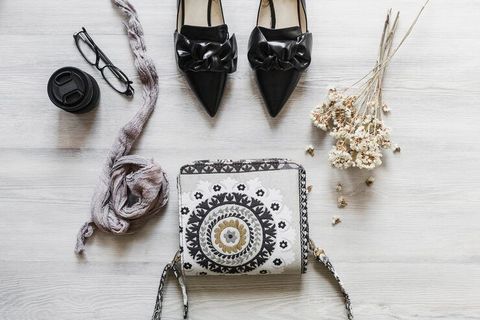
Accessories have become an important part of women's streetwear because small additions can change the character of an outfit. Common choices include:
- Structured or soft shoulder bags
- Crossbody bags
- Baseball caps
- Beanies
- Sunglasses
- Watches
- Simple chains and earrings
- Belts
- Scarves
Accessories can also provide color contrast. A neutral outfit, for example, can be visually changed by introducing a colored bag, patterned scarf, or distinctive footwear.
Laws or Policies
Women's streetwear is affected by general clothing and consumer-product rules concerning areas such as textile labeling, fiber information, product safety, environmental claims, and advertising practices. The exact requirements differ between jurisdictions.
Clothing labels may need to provide information such as fiber composition, care instructions, manufacturer or responsible-party details, or sizing information, depending on the applicable rules. These requirements help consumers understand the characteristics and care requirements of garments.
Environmental and sustainability statements can also be subject to advertising and consumer-protection rules. Statements about recycled content, environmental impact, durability, or production methods should be supported by appropriate evidence rather than presented as broad unsupported claims.
Clothing information and labeling
Common information associated with apparel labels can include:
- Fiber composition
- Garment size
- Care instructions
- Country or location information where required
- Manufacturer or responsible business information where applicable
Requirements vary according to the jurisdiction and product category. Businesses involved in apparel production or distribution therefore need to follow the rules applicable to the markets where their products are placed.
Tools and Resources
Several digital tools and reference resources can help with women's streetwear styling and wardrobe organization.
Digital outfit planners
Wardrobe-planning applications can organize garments into digital collections and help users visualize combinations. These tools can be useful for identifying repeated outfit patterns, coordinating colors, and planning seasonal wardrobes.
Size and measurement charts
Garment measurement charts can help explain differences between numerical and letter-based sizing systems. Measurements such as chest, waist, hip, inseam, and garment length are often more informative than relying on a size label alone because sizing conventions vary between manufacturers and regions.
Color and outfit references
Digital color-palette tools can help users explore combinations involving neutral, complementary, analogous, or contrasting colors. These tools can be applied to clothing, footwear, and accessories when developing a coordinated outfit.
Fashion reference platforms
Fashion publications, digital archives, street-style collections, and visual wardrobe platforms provide examples of different silhouettes and styling approaches. These references can help readers understand how proportions, layering, textures, and accessories interact.
FAQs
What is women's streetwear style?
Women's streetwear style is a casual fashion approach influenced by urban culture, sportswear, skatewear, music, workwear, and contemporary everyday clothing. It commonly uses relaxed silhouettes, sneakers, layering, utility details, and casual accessories.
What are common women's streetwear outfits?
Common women's streetwear outfits may combine oversized T-shirts, hoodies, cargo trousers, relaxed denim, sneakers, jackets, and accessories. The combination can be adjusted through proportions, colors, textures, and layering.
What layering ideas work with women's streetwear?
Layering ideas include wearing a fitted top under an oversized shirt, combining a hoodie with a jacket, or placing an open overshirt over a basic T-shirt. Different garment lengths can add visual structure.
Which accessories are commonly used in women's streetwear?
Caps, beanies, sunglasses, crossbody bags, shoulder bags, watches, belts, and simple jewellery are frequently used. The choice depends on the outfit's proportions, colors, and intended setting.
What are current women's streetwear fashion trends?
Current women's streetwear trends include relaxed silhouettes, wide-leg trousers, utility-inspired garments, retro athletic references, layered outfits, and combinations of oversized and fitted pieces. Fashion trends change over time, so individual styling can vary considerably.
Conclusion
Women's streetwear combines casual clothing, relaxed proportions, layering, accessories, and influences from several cultural and fashion movements. Current styles include wide silhouettes, utility details, retro athletic references, and combinations of fitted and oversized garments. Understanding proportion, layering, color, texture, and garment information can help explain how different streetwear outfits are constructed. Clothing regulations and labeling requirements vary by jurisdiction and generally concern information, safety, and truthful product claims.