Winter Clothing Tips for Staying Warm, Comfortable, and Stylish
Winter clothing includes garments designed to maintain body warmth and provide protection against cold air, wind and moisture.
From everyday sweaters to insulated jackets, winter garments serve different purposes depending on climate, activity and personal preferences.
Understanding Winter Clothing and Its Importance
Winter clothing helps people stay warm outdoors. Choosing suitable fabrics, layers and designs supports comfort during colder temperatures and changing weather conditions. Common options include jackets, coats, sweaters, thermal layers, trousers, gloves and winter footwear.
The importance of appropriate winter wear depends on environmental conditions. People living in areas with mild winters may need lightweight layers, while colder environments generally require thicker insulation and additional protection.
Common Types of Winter Clothing
Different garments provide different levels of warmth and flexibility.
Winter jackets for men: Available in insulated, lightweight and weather-resistant designs for everyday activities.
Winter jackets for women: Include different lengths, insulation materials and styles suitable for various temperatures.
Winter coats for women: Often provide additional coverage through longer designs and heavier fabrics.
Thermal wear: Functions as a base layer underneath regular clothing to help retain body warmth.
Wool sweaters for winter: Provide insulation through natural fibres and are commonly used for everyday layering.
Selecting suitable garments depends on temperature, personal comfort and intended activities.
Popular Materials Used in Winter Clothing
The fabric used in winter garments influences insulation, breathability, durability and moisture management. Understanding material differences can help individuals select appropriate clothing for different seasonal conditions.
Natural and Synthetic Fabrics
Wool is a natural fibre commonly used in sweaters, coats and winter accessories. It provides insulation and can help manage moisture during regular use.
Cotton is comfortable and breathable but generally provides less insulation when wet. Synthetic materials such as polyester and fleece are commonly used in jackets because they are lightweight and can dry relatively quickly.
Comparing Common Winter Materials
| Material | Main Characteristics | Common Applications |
|---|---|---|
| Wool | Natural insulation | Sweaters and coats |
| Fleece | Lightweight and soft | Jackets and mid-layers |
| Polyester | Durable and quick-drying | Winter jackets |
| Cotton | Soft and breathable | Indoor winter clothing |
| Down | Lightweight insulation | Padded jackets |
The appropriate material depends on the weather, garment construction and intended use.
Buying Intent and Winter Clothing Selection
Choosing winter garments involves considering several practical factors. Instead of focusing only on appearance, individuals can evaluate insulation, material quality, sizing and weather suitability.
Factors to Consider Before Selecting Winter Wear
1. Climate Conditions: Consider whether the clothing is intended for mild, moderate or extremely cold environments. Waterproof winter jackets may be useful in rainy or snowy conditions.
2. Insulation: Check the type and thickness of insulation. Down and synthetic filling are commonly used in padded garments.
3. Comfort and Fit: Clothing should allow comfortable movement and accommodate additional layers without feeling excessively tight.
4. Intended Activity: Everyday clothing, outdoor activities and winter travel may require different garment features.
5. Seasonal Requirements: Thermal wear online includes different garment weights and designs. Lightweight options may suit moderate conditions, while heavier layers are intended for colder environments.
Winter Clothing for Different Age Groups
Winter garments vary according to individual requirements, daily activities and comfort preferences.
Adults and Children
Adults may select winter clothing based on workplace routines, outdoor activities and local temperatures. Insulated winter boots can provide additional warmth and protection during cold-weather activities.
Kids winter clothing generally includes comfortable jackets, sweaters, thermal layers and accessories. Garments should allow movement while providing sufficient coverage.
Fleece jackets for winter are another commonly used option because they provide lightweight insulation and can be worn underneath heavier outerwear.
Essential Winter Accessories
Accessories provide additional coverage during colder conditions. Common examples include:
Woollen gloves for hand protection.
Scarves for neck coverage.
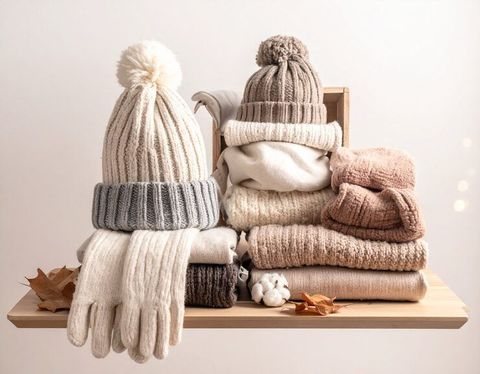
Beanies and knitted caps for head warmth.
Thermal socks for additional foot insulation.
Insulated footwear for colder outdoor environments.
Recent Developments in Winter Clothing
Winter apparel continues to incorporate different materials, garment constructions and functional features. Lightweight synthetic insulation, recycled polyester fabrics and water-resistant outer layers are examples of developments found in contemporary clothing.
Some manufacturers also incorporate adjustable hoods, multiple pockets, breathable linings and flexible designs. These features can improve practicality without changing the basic purpose of winter garments.
Maintenance and Storage of Winter Garments
Proper maintenance helps preserve fabric quality and garment condition. Care requirements vary depending on material and construction.
Useful maintenance practices include:
Follow the washing instructions provided on garment labels.
Avoid excessive heat when drying delicate fabrics.
Clean winter jackets according to their material requirements.
Store completely dry garments in clean, ventilated spaces.
Check zippers, buttons and stitching before seasonal storage.
Wool and insulated garments may require specific cleaning methods to maintain their structure.
Frequently Asked Questions
What are the essential winter clothing items?
Essential items generally include jackets, sweaters, thermal wear, trousers, warm socks, gloves and suitable footwear.
Which materials are commonly used for winter jackets?
Polyester, fleece, wool blends and down insulation are commonly used in winter garments. Their suitability depends on weather conditions and garment construction.
Are thermal clothes suitable for everyday use?
Yes. Thermal garments can be worn underneath regular clothing to provide an additional insulation layer during colder conditions.
How should winter clothing be selected?
Consider local temperatures, fabric composition, insulation, fit, intended activities and garment maintenance requirements.
Conclusion
Winter clothing supports comfort and protection during colder seasons. Understanding materials, insulation, layering and garment requirements helps individuals make informed clothing selections. Appropriate maintenance and seasonal storage also contribute to the long-term condition of winter garments.