Waste Disposal Units Details: Types, Construction, Operating Methods and Industrial Applications
Waste disposal units are systems, machines, structures, or facilities designed to handle waste after it is generated. Depending on the type of material, a disposal unit may collect, separate, process, treat, recover, or place waste in a controlled final disposal area. These systems are used in homes, commercial buildings, manufacturing plants, healthcare facilities, construction areas, and municipal waste management operations.
The need for organized waste disposal developed as communities became larger and produced greater quantities of household, commercial, and industrial waste. Simple open dumping could create unpleasant surroundings, attract animals and insects, contaminate soil and water, and release harmful substances. Modern waste management therefore uses different equipment and facilities according to the physical and chemical characteristics of the material.
A waste disposal unit can range from a compact household device to a large industrial installation. Common examples include waste compactors, shredders, incineration systems, composting units, material recovery systems, sanitary landfill facilities, and specialized treatment equipment.
The selection of a disposal method depends on factors such as waste composition, moisture content, quantity, contamination level, available space, operating conditions, and applicable environmental requirements. Some materials can be recovered or processed, while others require controlled treatment or final disposal.
Importance
Effective waste disposal helps manage materials that cannot simply remain in homes, businesses, or industrial areas. Poorly controlled waste accumulation can create sanitation problems, unpleasant odors, blocked drainage, fire risks, and environmental contamination.
Waste disposal units are particularly important in industries where large quantities of material are generated continuously. Manufacturing plants may produce packaging residues, process waste, metal scraps, plastics, sludge, or other materials that require different handling methods.
Problems addressed by waste disposal units
A properly designed system can address several practical challenges:
- Volume reduction: Compactors and shredders can reduce the physical volume of suitable waste, making storage and transportation easier.
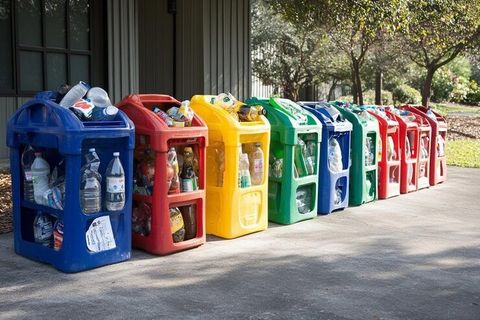
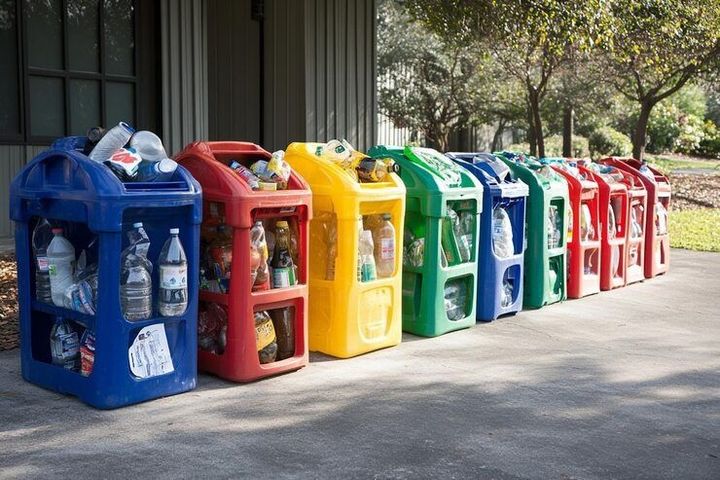
- Waste separation: Sorting equipment can separate materials such as metals, plastics, paper, glass, and organic matter.
- Organic waste treatment: Composting and anaerobic digestion systems can process suitable biodegradable materials.
- Controlled thermal treatment: Certain waste streams can be treated through controlled thermal processes under appropriate environmental conditions.
- Final disposal: Residual material that cannot be recovered may require engineered disposal facilities.
- Workplace organization: Enclosed containers, compactors, and collection systems can help keep waste handling areas orderly.
The people affected by waste management include households, workers, facility operators, municipal authorities, nearby communities, and environmental monitoring organizations. The effectiveness of a disposal system depends not only on the equipment itself but also on segregation, storage, transportation, treatment, monitoring, and final handling.
Main waste categories
Different materials require different approaches. A simplified classification is shown below.
| Waste Category | Common Examples | Typical Management Approach |
|---|---|---|
| Organic waste | Food scraps, garden material | Composting or biological treatment |
| Recyclable waste | Paper, glass, metals, some plastics | Sorting and material recovery |
| Inert waste | Certain soil, stones, debris | Reuse or controlled disposal |
| Industrial waste | Process residues, production materials | Process-specific treatment |
| Electronic waste | Computers, appliances, electronic components | Specialized collection and recovery |
| Hazardous waste | Certain chemicals and contaminated materials | Controlled handling under applicable rules |
Not every waste disposal unit can handle every category. Mixing incompatible materials can create safety and environmental problems, so segregation at the source is an important part of waste management.
Types and Construction
Waste disposal units differ significantly in size and construction. Their design normally reflects the material being handled, the expected quantity, and the treatment method.
Waste compactors
A waste compactor uses mechanical pressure to reduce the volume of suitable waste. It generally consists of a receiving chamber, hydraulic or mechanical pressing mechanism, control system, structural frame, and container or discharge area.
Compactors are commonly used where large quantities of dry or mixed non-hazardous waste are generated. The compacted material can occupy less space than loose waste, although compaction does not eliminate the need for appropriate final management.
Shredders and crushers
Shredders use rotating blades, shafts, or cutting mechanisms to reduce suitable materials into smaller pieces. Crushers use mechanical force to break down particular materials.
Construction can include a feed hopper, cutting or crushing chamber, drive motor, shafts, screens, protective housing, and discharge section. Different configurations are used for plastics, wood, packaging materials, and selected industrial residues.
Incineration units
Incineration units use controlled combustion to treat suitable waste at high temperatures. Major components can include a combustion chamber, fuel or air-control system, temperature monitoring equipment, exhaust treatment equipment, and an ash collection system.
These systems require careful operation because combustion can produce gases and particulate matter. Appropriate emission controls and regulatory monitoring are therefore important.
Composting units
Composting systems use biological activity to decompose suitable organic material. Depending on the design, they may use enclosed chambers, aeration systems, mixing equipment, moisture controls, temperature monitoring, and collection areas.
Composting is generally intended for biodegradable material rather than mixed waste containing incompatible substances.
Anaerobic digestion systems
Anaerobic digestion uses microorganisms to break down suitable organic material in an environment with little or no oxygen. A typical system can include a feed area, sealed digestion chamber, mixing mechanism, gas collection equipment, and residue-handling section.
The process can generate biogas and a remaining digestate. Both outputs require appropriate management according to their characteristics and intended use.
Sanitary landfill facilities
A sanitary landfill is an engineered facility for controlled final disposal of suitable residual waste. Construction may include lined disposal cells, drainage systems, leachate collection, gas management, access roads, monitoring systems, and cover layers.
Unlike uncontrolled dumping, engineered landfill systems are designed to isolate waste and manage liquids and gases associated with decomposition.
Operating Methods
The operating method depends on the design of the waste disposal unit and the material entering the system. A typical process begins before the waste reaches the equipment.
Waste identification and segregation
Waste is first identified according to its physical characteristics and applicable management category. Materials that require specialized handling should be separated from ordinary waste.
Segregation can occur at households, commercial facilities, manufacturing plants, collection centers, or dedicated processing locations.
Collection and feeding
Suitable waste is collected and transferred to the appropriate unit. Equipment operators generally control the feeding rate so that the system remains within its design capacity.
Overloading can affect mechanical components, processing efficiency, and operational safety. Enclosed feeding arrangements can also help limit litter and exposure to unwanted materials.
Processing and treatment
The selected unit then performs its intended function. A compactor applies pressure, a shredder reduces material size, a composting unit supports biological decomposition, and a thermal system uses controlled combustion.
Monitoring may include temperature, pressure, moisture, material flow, gas conditions, or equipment status, depending on the process.
Residual handling
Most disposal processes produce some residual material. For example, thermal treatment can produce ash, while biological treatment can produce remaining organic material. Recycling systems can also generate materials that cannot be recovered.
These residuals must be assessed and managed according to their characteristics and applicable rules.
Recent Updates
Waste management practices have continued moving toward segregation, resource recovery, controlled processing, and improved environmental monitoring. Digital monitoring, automated sorting, sensor-based equipment, and data recording are increasingly being incorporated into larger waste facilities.
Another significant development in India has been the introduction of updated national solid waste rules. The Ministry of Environment, Forest and Climate Change notified the Solid Waste Management Rules, 2026, which supersede the earlier 2016 framework and came into force in April 2026. The 2026 rules apply broadly to urban and rural local bodies and many categories of waste generators, while several specialized waste streams remain governed by separate regulations.
Developments during the period from 2024 onward have also included changes involving packaging, electronic waste, batteries, hazardous materials, and construction and demolition waste. These changes reflect a broader shift toward source segregation, material recovery, producer responsibilities, traceability, and controlled treatment.
Modern industrial facilities are also increasingly focused on measuring material flows and reducing the amount of residual waste requiring final disposal. Automated sorting and monitoring technologies can support these activities when they are matched to the waste stream and facility requirements.
Laws or Policies
In India, waste disposal is regulated through environmental legislation, rules, standards, and directions issued by national and state authorities. The framework varies according to the type of waste being handled.
Solid Waste Management Rules
The Solid Waste Management Rules, 2026 provide the current national framework for many forms of solid waste management. They cover waste generators, local bodies, processing and disposal facilities, and other entities within their defined scope. The rules also distinguish solid waste from categories such as hazardous waste, biomedical waste, electronic waste, battery waste, and radioactive waste, which are governed separately.
Specialized waste rules
Different waste streams may be subject to separate requirements. India has dedicated frameworks covering areas such as plastic waste, electronic waste, battery waste, hazardous and other waste, and construction and demolition waste. The Ministry of Environment, Forest and Climate Change maintains notifications and amendments relating to these categories.
State Pollution Control Boards and Pollution Control Committees can have important roles in authorization, monitoring, and implementation. Local authorities also have responsibilities relating to collection, segregation, transportation, processing, and disposal within their jurisdictions.
Industrial facilities should therefore determine the classification of their waste before selecting or operating a disposal unit. Requirements can differ substantially between ordinary municipal waste and specialized industrial or hazardous materials.
Tools and Resources
Several resources can help readers understand waste disposal systems and applicable requirements.
- Central Pollution Control Board: Provides environmental guidance, technical documents, reports, and information related to waste management.
- Ministry of Environment, Forest and Climate Change: Publishes environmental rules, notifications, amendments, and policy documents.
- State Pollution Control Boards: Provide state-level information concerning environmental requirements and regulatory processes.
- Waste quantity calculators: These can help estimate the amount of waste generated by a household, building, or facility.
- Waste classification templates: Simple records can organize materials according to organic, recyclable, inert, industrial, electronic, or specialized categories.
- Equipment operating manuals: Manufacturer documentation can provide information about capacity limits, operating procedures, inspection points, and maintenance requirements for specific units.
- Waste audit worksheets: These can record waste type, quantity, source, handling method, and final destination.
The usefulness of a tool depends on the waste stream and the purpose of the assessment. Regulatory documents should take priority when determining legal requirements.
FAQs
What is a waste disposal unit?
A waste disposal unit is equipment, infrastructure, or a facility designed to handle, process, treat, recover, or dispose of waste in a controlled manner. Examples include compactors, shredders, composting systems, thermal treatment units, and engineered landfill facilities.
What are the main types of waste disposal units?
Common types include waste compactors, shredders, crushers, composting systems, anaerobic digestion units, thermal treatment systems, material recovery facilities, and sanitary landfill facilities. The appropriate type depends on the characteristics of the waste.
How does an industrial waste disposal unit operate?
An industrial waste disposal unit generally receives a defined waste stream, processes or treats it through a specific mechanical, biological, or thermal method, and directs the resulting material toward recovery or controlled final disposal. Operating conditions depend on the equipment and waste category.
What construction features are common in waste disposal units?
Construction varies by application but can include structural frames, enclosed chambers, conveyors, hydraulic systems, motors, sensors, ventilation systems, drainage arrangements, containment structures, and monitoring equipment. Specialized facilities may require additional environmental controls.
Which rules apply to waste disposal units in India?
The applicable rules depend on the type of waste. The Solid Waste Management Rules, 2026 cover many forms of solid waste, while separate frameworks apply to areas such as hazardous waste, electronic waste, battery waste, plastic waste, and construction and demolition waste.
Conclusion
Waste disposal units include a wide range of equipment and engineered facilities used to manage different types of waste. Their construction and operating methods vary according to material characteristics, processing requirements, and environmental conditions. Modern waste management increasingly emphasizes segregation, recovery, controlled treatment, monitoring, and regulated final disposal. In India, the regulatory framework has also evolved, with the Solid Waste Management Rules, 2026 providing the current national framework for many forms of solid waste.

You May Also Like