Visit Dubai: Guide to Attractions, Travel Planning and Local Rules
Visit Dubai travel planning involves understanding the city’s attractions, neighborhoods, transportation, climate, accommodation areas, cultural practices, and entry requirements.
Dubai is one of the emirates of the United Arab Emirates (UAE) and has developed from a regional trading and maritime center into a major international city. Visitors can experience modern architecture, historic districts, desert landscapes, museums, beaches, shopping areas, cultural sites, and a wide range of recreational activities.
Context
What Does Visit Dubai Mean?
Visit Dubai refers broadly to traveling to Dubai for tourism, leisure, cultural exploration, business-related travel, or short city breaks. The city is part of the UAE, located on the southeastern coast of the Arabian Gulf.
Dubai's modern development has been influenced by trade, aviation, maritime activity, construction, tourism, and international business. At the same time, older areas such as Al Fahidi, Deira, and Bur Dubai reflect aspects of the city's earlier trading history.
Travel experiences in Dubai can therefore involve both contemporary urban environments and historic neighborhoods. The appropriate itinerary depends on the traveler's interests, available time, season, and transportation arrangements.
Main Areas and Attractions
Dubai contains attractions distributed across different districts. Some are concentrated around Downtown Dubai, while others are located along the coast, in older neighborhoods, or outside the central urban area.
Common areas and attractions include:
- Burj Khalifa and Downtown Dubai
- Dubai Mall area
- Dubai Creek and Al Seef
- Al Fahidi Historical Neighbourhood
- Deira and traditional markets
- Jumeirah coastline
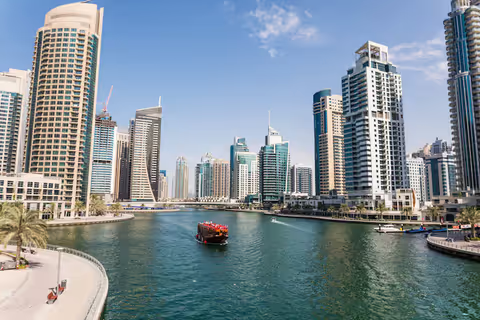
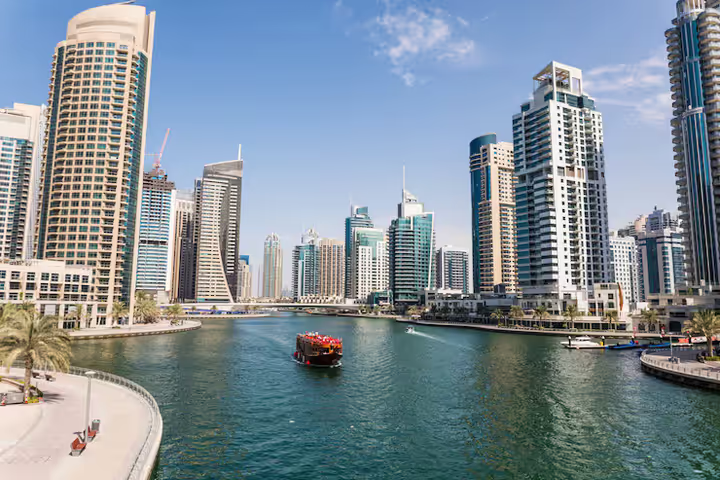
- Dubai Marina
- Palm Jumeirah
- Dubai Desert Conservation Reserve area
- Museum and cultural institutions
Some attractions require advance reservations or have specific entry procedures. Travelers should check official information before scheduling time-sensitive activities.
Dubai at a Glance
| Travel Element | General Information |
|---|---|
| Country | United Arab Emirates |
| Emirate | Dubai |
| Main airport | Dubai International Airport |
| Common language | Arabic; English is widely used |
| Currency | UAE dirham (AED) |
| Urban transport | Metro, tram, buses, taxis, private vehicles |
| Climate | Hot desert climate |
| Main travel considerations | Weather, entry rules, local laws, transport |
Importance
Why Travel Planning Matters
Dubai covers a large urban area, and attractions can be separated by significant distances. An itinerary that groups nearby attractions can reduce unnecessary travel and make better use of available time.
Weather is another important factor. Summer conditions can involve very high temperatures, while the cooler part of the year is generally more suitable for extended outdoor activities. Travelers should consider heat exposure when planning walking, desert, beach, and sightseeing activities.
Cultural and Historical Experiences
Dubai's identity includes both modern urban development and Gulf-region cultural traditions. Visitors can explore historic districts, museums, mosques, traditional markets, heritage architecture, and cultural institutions.
Respect for local customs is important. Clothing expectations can vary by location, and behavior considered appropriate in a hotel or beach environment may not be appropriate in a religious or government setting.
Transportation
Dubai has several forms of public and private transportation. The Dubai Metro connects major parts of the city, while buses and trams extend the network. Taxis and app-based transportation can provide additional connections.
The Dubai Metro is particularly useful for destinations near stations. However, some attractions require additional walking or another form of transportation after leaving the rail network.
Accommodation Areas
Travelers can find accommodation across many parts of Dubai. The appropriate location depends on the planned itinerary, airport access, public transportation, beach access, business activities, and preferred surroundings.
Areas such as Downtown Dubai, Deira, Bur Dubai, Dubai Marina, Jumeirah, and Palm Jumeirah have different geographical characteristics and transport connections. Comparing the distance between accommodation and planned activities can help explain the practical differences between locations.
Recent Updates
Digital Travel Planning
From 2024 through 2026, digital tools have become increasingly integrated into Dubai travel planning. Travelers can use mobile maps, electronic attraction reservations, transportation applications, digital tickets, and online government resources.
Digital information can also help visitors check attraction schedules, road conditions, public transportation routes, weather, and event information. Travelers should still verify important information through official sources because schedules and entry conditions can change.
Public Transportation Development
Dubai continues to develop its public transportation network and associated infrastructure. Metro, tram, bus, taxi, and other mobility systems are part of the city's broader transportation framework.
The availability of different transportation modes varies by district. Travelers can use official Roads and Transport Authority resources to understand routes, fares, operating information, and applicable travel cards.
Sustainable Tourism and Urban Development
Environmental considerations have become increasingly relevant to tourism planning. Dubai has continued to develop sustainability initiatives related to energy, transportation, waste management, water use, and urban development.
Travelers may encounter sustainability measures in hotels, attractions, transportation systems, and public areas. The practical environmental impact of a particular activity depends on its location and operating arrangements.
Cultural and Heritage Tourism
Alongside modern attractions, Dubai has continued to develop cultural and heritage experiences. Historic districts, museums, heritage sites, and cultural institutions provide information about the emirate's social and economic development.
This creates a travel experience that extends beyond modern architecture and commercial districts, particularly for visitors interested in regional history and traditional culture.
Desert and Outdoor Activities
Desert excursions remain part of Dubai's tourism landscape. Activities may include dune drives, camel experiences, desert walks, camping, photography, and astronomy-related activities.
Outdoor activities are strongly affected by temperature, wind, visibility, and seasonal conditions. Visitors should consider weather conditions and the physical requirements of each activity.
Laws or Policies
UAE Entry Requirements
Visitors entering the UAE must meet immigration requirements based on nationality, passport, purpose of travel, and length of stay. Some nationalities may qualify for visa-on-arrival arrangements, while others need to obtain a visa before traveling.
Indian passport holders should verify current UAE entry and visa requirements before departure through official UAE government or diplomatic resources. Requirements can change, so information from older travel sources may not reflect current procedures.
Local Laws and Conduct
Dubai operates under UAE federal laws as well as emirate-level regulations. Visitors are expected to comply with local laws concerning public conduct, photography, alcohol, road use, drugs, financial transactions, and other activities.
Certain behaviors that may be treated differently in other countries can have legal consequences in the UAE. Travelers should therefore review official guidance before visiting and follow posted instructions at public locations.
Photography and Privacy
Photography is common in tourist areas, but privacy rules apply. Photographing people without appropriate permission can create legal issues in some circumstances, particularly when images involve private situations or sensitive locations.
Visitors should also observe restrictions around government buildings, airports, security facilities, military-related locations, and other controlled areas.
Road and Transportation Rules
Dubai has detailed traffic regulations covering driving, vehicle registration, speed limits, road use, parking, and pedestrian safety. Visitors driving rental vehicles must hold the appropriate driving documentation and follow UAE traffic rules.
Public transportation systems also have specific regulations concerning passenger conduct, prohibited items, tickets, and designated areas.
Desert and Environmental Rules
Some desert areas are subject to environmental controls, protected-area requirements, or designated activity zones. Off-road driving and camping may be restricted in particular locations.
Travelers participating in desert activities should follow instructions from local authorities, protected-area management, and authorized activity operators where applicable.
Tools and Resources
Official Tourism Resources
Dubai's official tourism resources provide information about attractions, neighborhoods, events, cultural experiences, transportation, and travel planning. These resources can help visitors verify current information before arranging an itinerary.
Roads and Transport Authority
The Dubai Roads and Transport Authority provides information about public transportation, Metro and tram networks, taxis, road conditions, parking, and related mobility systems.
UAE Government Portals
Official UAE government portals can provide information about immigration, entry requirements, visas, customs, and other government procedures. Travelers should use current government information when checking documentation requirements.
Maps and Weather Tools
Digital maps can help visitors estimate travel time between attractions. Weather applications and official meteorological information can help travelers assess heat, humidity, wind, and other conditions before outdoor activities.
Travel Planning Checklist
A simple Dubai itinerary can track:
- Passport and entry documentation
- Accommodation details
- Flight information
- Attraction schedules
- Transportation routes
- Weather conditions
- Cultural considerations
- Emergency contacts
- Activity requirements
Keeping these details together can make a multi-day itinerary easier to understand and adjust.
FAQs
What does Visit Dubai include?
Visit Dubai can involve sightseeing, cultural exploration, beaches, museums, historic neighborhoods, desert activities, architecture, dining, and other leisure experiences. The appropriate combination depends on the traveler's interests and available time.
What are the main places to visit in Dubai?
Commonly visited areas include Downtown Dubai, Bur Dubai, Deira, Dubai Creek, Jumeirah, Dubai Marina, Palm Jumeirah, and selected desert areas. Each location has different attractions and transportation connections.
What is the best time to visit Dubai?
The cooler part of the year generally provides more comfortable conditions for extended outdoor activities, while the hotter months can require greater attention to heat and hydration. Weather conditions vary throughout the year.
Do Indian citizens need a visa to visit Dubai?
Visa requirements for Indian citizens depend on passport circumstances, eligibility, and current UAE immigration rules. Travelers should verify their individual requirements through official UAE government or diplomatic sources before departure.
What should visitors know about Dubai's local laws?
Visitors should follow UAE and Dubai rules concerning public conduct, photography, alcohol, traffic, drugs, privacy, and restricted areas. Regulations can differ from those in a traveler's home country, making official guidance important before and during a visit.
Conclusion
Visit Dubai travel planning involves balancing attractions, transportation, weather, accommodation location, cultural practices, and current entry requirements. The city combines modern urban districts with historic neighborhoods, coastal areas, museums, and desert landscapes. Digital maps, official tourism resources, transportation information, and UAE government portals can help travelers verify practical details. Entry rules and local regulations depend on current UAE policies and the visitor's nationality and circumstances.