London Tourist Attractions: Discover Landmarks, Historic Sites, Museums and Travel Tips
London Tourist Attractions bring together centuries of history, architecture, museums, royal heritage, public parks, cultural institutions, and modern city experiences.
The capital of the United Kingdom has developed around the River Thames and contains landmarks from different periods, including medieval buildings, Victorian structures, and contemporary architecture. For visitors, understanding the location and character of major attractions can make it easier to organize sightseeing around available time and transportation.
London is also a large and geographically spread-out city. Attractions that appear close together on a map may require different Underground lines, buses, walking routes, or rail connections. Knowing the main sightseeing areas therefore helps visitors understand how places can be grouped into practical day plans.
Context
Understanding London Tourist Attractions
London's attractions reflect the city's long political, cultural, architectural, and commercial history. Historic landmarks such as the Tower of London, Westminster Abbey, and St Paul's Cathedral exist alongside museums, galleries, theatres, parks, markets, and modern architectural landmarks.
Many attractions are concentrated in central London, but important destinations extend into different parts of Greater London. This means sightseeing can involve several types of transportation depending on the location.
Common categories include:
Historic landmarks and royal sites
Museums and art galleries
Parks and gardens
Observation points and modern buildings
Markets and cultural districts
Theatres and performing arts venues
River Thames attractions
Religious and architectural landmarks
Major Attractions and Their Locations
The Tower of London is a historic fortress on the north bank of the River Thames. Its history includes royal residence, military use, and imprisonment, while the surrounding area also provides access to Tower Bridge and the riverside.
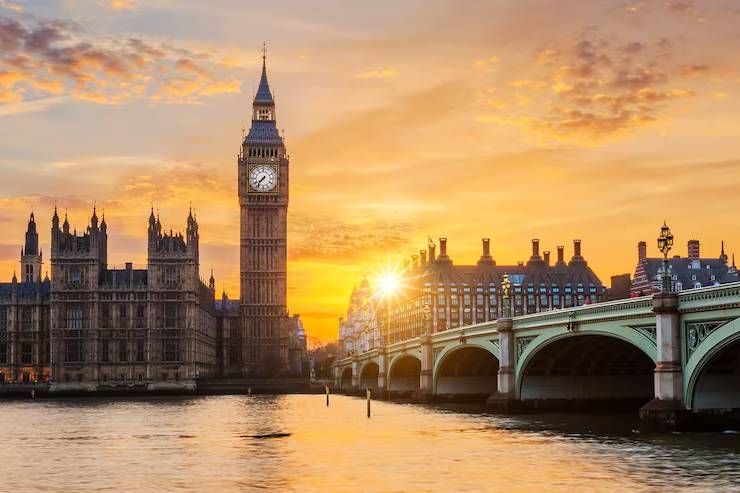
Westminster contains several major landmarks within a relatively compact area. Westminster Abbey, the Palace of Westminster, Big Ben, and the Houses of Parliament form an important part of London's political and architectural landscape.
The British Museum in Bloomsbury contains collections covering human history, art, and archaeology. The National Gallery, located near Trafalgar Square, focuses on European paintings from different historical periods.
Other widely recognized attractions include Buckingham Palace, St Paul's Cathedral, the London Eye, Natural History Museum, Victoria and Albert Museum, and the Tate Modern.
Planning by Area
Grouping attractions geographically can reduce unnecessary travel. A visitor exploring Westminster might combine several nearby landmarks, while a separate day could focus on museums around South Kensington.
| Area | Notable attractions | Main character |
|---|---|---|
| Westminster | Westminster Abbey, Big Ben, Buckingham Palace | Royal and political history |
| Tower area | Tower of London, Tower Bridge | Medieval and riverside heritage |
| South Kensington | Natural History Museum, V&A, Science Museum | Museums and culture |
| Bloomsbury | British Museum | History and archaeology |
| South Bank | London Eye, Tate Modern | Riverfront and cultural attractions |
| City of London | St Paul's Cathedral, historic streets | Financial and architectural history |
Travel time should still be checked because walking distances, entrance arrangements, and public transportation conditions can vary.
Importance
Understanding London's History
London tourist attractions provide a way to understand how the city developed over many centuries. Historic buildings reveal aspects of monarchy, religion, government, trade, architecture, and urban development.
The Tower of London, for example, reflects changing royal and military functions. Westminster illustrates the relationship between religious buildings, political institutions, and the development of the British capital.
Museums and Public Culture
London contains museums covering science, natural history, design, art, archaeology, and social history. These institutions make the city relevant not only to leisure travelers but also to students, researchers, families, and people interested in cultural education.
Museum visits can also provide context for other attractions. Learning about historical periods, scientific developments, or artistic movements can make London's buildings and public spaces easier to understand.
Transportation and Time Management
London's size makes transportation an important part of sightseeing. The Underground, buses, walking routes, river transport, and national rail connections serve different parts of the city.
Visitors may need to consider:
Distance between attractions
Opening hours
Entry arrangements
Expected visit duration
Public transportation connections
Weather conditions
Accessibility requirements
A sightseeing plan that accounts for these factors can reduce unnecessary movement between distant parts of the city.
Different Types of Visitors
London attractions suit a wide range of interests. Families may focus on museums and interactive cultural destinations, while history-focused visitors may spend more time at historic buildings and royal sites.
Art enthusiasts can explore major galleries, while visitors interested in architecture can study landmarks from different periods. The variety also allows travelers to create different itineraries without visiting the same types of attraction repeatedly.
Recent Updates
Changing Visitor Patterns
From 2024 through 2026, London's tourism environment has continued to reflect changing visitor preferences. Travelers increasingly combine major landmarks with neighborhood exploration, museums, food districts, parks, and cultural activities.
Digital planning has also become more common. Visitors can use online maps, attraction websites, transportation applications, and digital ticketing systems to organize journeys before arriving.
Museum and Cultural Developments
London's major cultural institutions continue to update exhibitions, galleries, visitor facilities, and digital resources. Temporary exhibitions can change throughout the year, meaning the attractions available during one visit may differ from those available during another.
Museums are also increasingly using digital interpretation, interactive displays, and online collections to provide additional historical and educational context.
Sustainable Urban Travel
Sustainability has become a more visible consideration in urban tourism. Public transportation and walking remain important ways of moving around central London, while pedestrian improvements and cycling infrastructure continue to influence how visitors navigate the city.
The expansion and adjustment of transport infrastructure can affect journey times and routes, so visitors should check current transportation information when planning daily activities.
Digital Planning
Travel planning has increasingly moved toward mobile applications and online resources. Visitors can check attraction opening information, transportation disruptions, accessibility details, maps, and booking requirements through digital platforms.
However, information can change, particularly during public events, maintenance periods, or temporary exhibitions. Checking official attraction and transportation information close to a visit remains relevant.
Laws or Policies
Entry and Visitor Requirements
Visitors entering the United Kingdom may need appropriate immigration permission depending on their nationality and circumstances. Requirements can include a visa or an Electronic Travel Authorisation for eligible travelers.
Rules can change, so international visitors should consult the official UK government immigration website for the requirements applicable to their nationality and travel circumstances.
Heritage Protection
Many London landmarks are protected because of their architectural or historical importance. Historic England maintains information about listed buildings and heritage assets in England.
Heritage protection can influence alterations, restoration work, building maintenance, and development around historic structures. This helps preserve significant parts of London's architectural environment.
Public Transportation Rules
London's public transportation network operates under rules concerning tickets, payment methods, passenger conduct, accessibility, and safety. Transport for London provides information about Underground, bus, tram, and other network arrangements.
Temporary closures, engineering works, major events, and weather conditions can affect journeys. Travelers should check current transportation information when moving between attractions.
Museum and Attraction Policies
Individual attractions establish their own visitor rules. These may address photography, bags, food, security screening, accessibility, entry times, and restrictions on particular objects.
Some attractions use timed entry, while others have different arrangements for permanent collections and temporary exhibitions. Official attraction websites provide the relevant visitor information.
Tools and Resources
Transportation Planning
Transport for London provides journey-planning information for the capital's public transportation network. Visitors can use route maps and journey-planning tools to understand connections between attractions.
Google Maps and other mapping platforms can also help compare walking, public transport, and driving routes. Journey conditions can change, so estimated travel times should be treated as variable.
Attraction Websites
Official websites for London's museums, galleries, historic landmarks, and cultural institutions provide information about:
Opening arrangements
Entry requirements
Current exhibitions
Accessibility
Visitor rules
Location information
Temporary closures
Using official sources is particularly useful when an attraction has timed entry or a changing exhibition schedule.
Planning Templates
A simple sightseeing worksheet can include the attraction name, location, planned arrival time, expected visit duration, transportation route, and nearby attractions. This can help visitors group destinations geographically.
Digital calendar applications can also be used to organize timed entries and travel periods without creating an overly complicated itinerary.
FAQs
What are the main London tourist attractions?
Major London tourist attractions include the Tower of London, Buckingham Palace, Westminster Abbey, Big Ben, the British Museum, St Paul's Cathedral, the National Gallery, the Natural History Museum, the London Eye, and Tate Modern. The appropriate selection depends on interests, available time, and location.
Which London tourist attractions are close to each other?
Several attractions can be grouped geographically. Westminster Abbey, Big Ben, the Houses of Parliament, and Buckingham Palace are relatively close compared with attractions located in other parts of London. The Tower of London and Tower Bridge can also be visited within the same area.
How many days are needed to visit London tourist attractions?
The appropriate duration depends on the number and type of attractions planned. A short visit can focus on a small group of central landmarks, while several days allow more time for museums, historic buildings, neighborhoods, parks, and cultural venues.
What is the easiest way to travel between London attractions?
Public transportation and walking are widely used for sightseeing in London. The Underground is useful for longer journeys across central areas, while walking can be practical when several attractions are close together.
Do London tourist attractions require advance planning?
Some attractions use timed entry or have limited availability for particular exhibitions and experiences. Checking the official website before visiting can clarify opening arrangements, entry procedures, and any temporary changes.
Conclusion
London tourist attractions represent the city's historical, cultural, architectural, and modern character. Major destinations are distributed across areas such as Westminster, South Kensington, Bloomsbury, the Tower district, and the South Bank, making location an important part of sightseeing planning. Developments from 2024 through 2026 have included greater use of digital planning, changing cultural programs, and continued attention to sustainable urban travel. Visitors should consider current transportation information, attraction policies, and UK entry requirements when organizing a London itinerary.