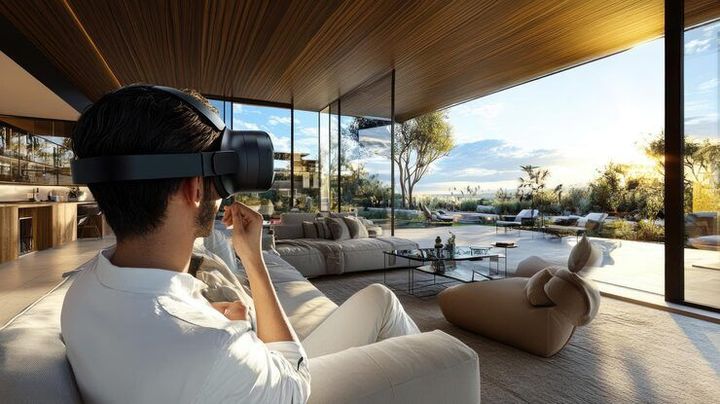
Virtual Reality Hotel Tours: How to Use Interactive Hotel Walkthroughs
Virtual reality hotel tours provide an interactive way to explore accommodation spaces through digital environments.
Instead of depending entirely on photographs, visitors can examine rooms, facilities, and selected property areas using 360-degree views and virtual walkthroughs.
These experiences combine visual technology with digital navigation. A hotel virtual tour booking experience may allow visitors to examine different room categories, understand property layouts, and become familiar with available facilities before selecting accommodation.
Virtual reality hotel tours can be accessed through computers, smartphones, tablets, and compatible VR headsets. The viewing experience depends on the technology used to create and display the virtual environment.
Importance of Virtual Reality in Hospitality
Digital presentation has become an important part of travel research. Travelers often want more information about accommodation before making decisions, particularly when planning international trips or extended stays.
Better Understanding of Hotel Spaces
Traditional photographs show selected views of a property, while 360 hotel room tours provide a wider perspective. Visitors can explore different directions and examine room arrangements, furniture placement, and interior details.
This approach helps people understand the relationship between different areas within a hotel room.
More Informed Accommodation Decisions
VR hotel room previews provide additional visual information that may help travelers compare accommodation categories. Visitors can examine differences in room layouts, interior designs, and selected amenities.
However, virtual presentations should complement written descriptions, photographs, and current property information rather than replace them.
Improved Digital Engagement
An interactive hotel virtual reality experience can encourage visitors to spend more time exploring a property. It also provides another way for hospitality businesses to communicate their accommodation features through digital channels.
How Virtual Reality Hotel Tours Work
Virtual hotel experiences generally combine specialized cameras, imaging software, and digital viewing platforms.
360-Degree Photography
Specialized cameras capture panoramic images of hotel interiors and selected outdoor areas. Multiple images can be connected to create a continuous viewing experience.
Visitors can rotate the view and examine different sections of a room without physically entering the property.
Interactive Virtual Walkthroughs
A hotel room virtual walkthrough connects different panoramic views through clickable navigation points. Users can move between selected locations, such as reception areas, guest rooms, restaurants, and recreational facilities.
VR Headset Compatibility
Some platforms support virtual reality headsets, creating a more immersive viewing experience. Users can look around digital environments through headset movements, depending on the software and equipment.
Technologies Used in Virtual Hotel Experiences
Several technologies contribute to the development of immersive hotel presentations.
360-Degree Cameras: Capture panoramic photographs and videos of accommodation spaces.
Virtual Tour Software: Connects images and creates interactive navigation.
Cloud Hosting: Stores and delivers digital tour content through online platforms.
Mobile Compatibility: Allows visitors to explore virtual environments using smartphones and tablets.
VR Headsets: Provide immersive viewing through compatible virtual reality applications.
| Technology | Main Function |
|---|---|
| 360-degree cameras | Capture panoramic hotel images |
| VR software | Create interactive environments |
| Cloud platforms | Host virtual tour content |
| Mobile applications | Support smartphone viewing |
| VR headsets | Provide immersive experiences |
Choosing a Virtual Hotel Tour Platform
Selecting a virtual hotel tour platform involves evaluating its technical features, usability, and compatibility with existing digital systems.
Important Features to Consider
Image Quality: Clear panoramic images help visitors examine room details and property interiors.
Navigation: Simple controls allow users to move between different hotel locations without confusion.
Device Compatibility: A platform should support commonly used browsers and mobile devices.
Loading Performance: Optimized images and efficient hosting can improve the viewing experience, particularly on slower internet connections.
Content Management: Editing and updating virtual tours should be manageable when hotel interiors or facilities change.
Hotels evaluating hotel virtual tour software should also examine hosting arrangements, technical support, integration options, and subscription conditions.
Challenges and Limitations
Despite its advantages, virtual reality technology has several limitations.
First, creating detailed virtual tours requires suitable equipment, photography, and digital editing. Larger properties may need extensive image collection and organization.
Second, internet connectivity can influence loading speed and viewing quality. High-resolution content may require additional bandwidth.
Third, virtual presentations cannot communicate every physical characteristic. For example, visitors may not accurately understand noise levels, room temperature, mattress comfort, or the atmosphere of a property through a screen.
Regular content updates are also important because outdated virtual tours may display facilities or room arrangements that no longer reflect the actual property.
Future Developments in Virtual Reality Hotel Tours
Virtual hotel experiences may become more interactive as digital imaging and immersive technologies develop. Artificial intelligence could support personalized navigation, multilingual information, and automated responses to common accommodation questions.
Augmented reality may also complement virtual tours by displaying additional information about selected hotel features. Improved mobile processing and faster internet connections could make immersive experiences more accessible.
However, adoption will depend on development requirements, technical compatibility, and the needs of individual hospitality businesses.
Frequently Asked Questions
What are virtual reality hotel tours?
They are digital experiences that allow travelers to explore hotel rooms, facilities, and selected property areas through panoramic images or immersive virtual environments.
How do 360 hotel room tours work?
They use panoramic photography or video to capture multiple viewing angles. Interactive software connects these views so visitors can navigate the digital environment.
Can travelers access VR hotel room previews on smartphones?
Yes. Many virtual tours support smartphones, tablets, and desktop browsers. Headsets are only necessary for experiences specifically designed for VR equipment.
What should hotels consider when selecting VR tour providers?
Hotels should evaluate image quality, navigation, mobile compatibility, hosting arrangements, content updates, and integration requirements.
Are virtual hotel tours a replacement for physical visits?
No. They provide additional visual information but cannot fully reproduce the physical experience of visiting accommodation.
Conclusion
Virtual reality hotel tours are changing how accommodation spaces are presented online. Through panoramic photography, interactive walkthroughs, and compatible VR technology, travelers can examine hotel environments before making reservations. Although these experiences have technical and practical limitations, they provide useful visual information for modern travel planning and digital hospitality development.