UV Curing Machines Overview: Tips, Resources, and Professional Advice
UV curing machines have revolutionized a wide range of industrial and commercial processes by offering fast, efficient, and environmentally friendly curing of inks, coatings, adhesives, and resins. Whether you're in manufacturing, electronics, printing, or automotive industries, understanding UV curing technology can enhance your production quality and efficiency.
The concept of UV curing technology emerged as industries sought faster and more energy-efficient ways to process materials. Early applications were found in printing and coatings, where drying time was a limiting factor. Over time, advancements in UV lamps and materials led to wider use across manufacturing, electronics, automotive, and medical fields.
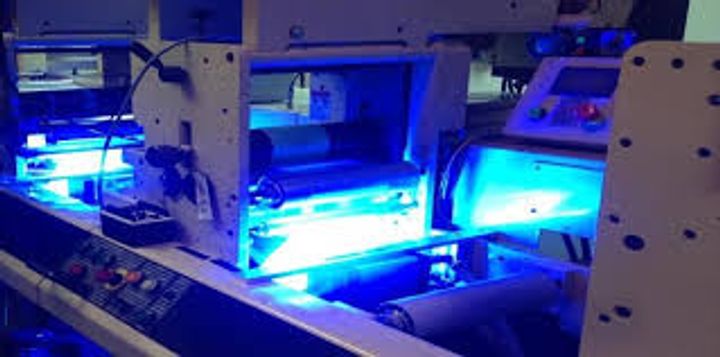
Today, UV curing equipment is commonly used in processes such as printing labels, coating wood surfaces, assembling electronic components, and even dental treatments. Its ability to deliver fast and controlled curing makes it a practical solution for modern production environments.
Importance
UV curing machines play an important role in improving efficiency and reducing processing time across many industries. Traditional drying methods can take minutes or even hours, while UV curing often completes the process in seconds. This speed supports higher productivity and more consistent output.
One major advantage is reduced energy usage. Since UV curing technology does not rely heavily on heat, it can lower overall energy consumption in certain applications. This is particularly relevant in industries aiming to reduce environmental impact.
UV curing equipment also contributes to improved product quality. For example, in printing, it helps produce sharp, smudge-resistant finishes. In manufacturing, it ensures uniform coatings and strong bonding.
Key groups affected by this technology include:
- Manufacturers: Faster production cycles and improved consistency
- Printers and packaging companies: Enhanced print durability and clarity
- Electronics producers: Precise bonding and protection of components
- Healthcare professionals: Controlled curing in dental and medical applications
Despite these benefits, there are challenges. These include the need for compatible materials, safety considerations related to UV exposure, and the initial setup of specialized UV curing equipment.
Recent Updates
Recent developments in UV curing machines between 2024 and 2026 reflect ongoing improvements in efficiency, safety, and adaptability. One notable trend is the increased use of LED-based UV curing technology. LED systems consume less energy and produce less heat compared to traditional mercury lamps, making them suitable for heat-sensitive materials.
Another trend is automation. Modern UV curing equipment is often integrated into automated production lines. This allows better control over curing time, intensity, and consistency. Automation also reduces human intervention, which can improve safety and repeatability.
Digital monitoring is also becoming more common. Sensors and software systems now track curing performance in real time. This helps operators maintain consistent quality and detect issues early.
Sustainability remains a focus area. Manufacturers are exploring materials and processes that reduce emissions and waste. UV curing technology supports this shift by minimizing solvent use in coatings and inks.
Laws or Policies
The use of UV curing machines is influenced by safety and environmental regulations in many countries, including India. These rules are designed to protect workers, ensure product safety, and manage environmental impact.
In India, workplace safety is guided by regulations such as the Factories Act and guidelines from occupational safety authorities. These rules require proper handling of equipment that emits UV radiation. Protective measures may include shielding, safety interlocks, and personal protective equipment.
Environmental regulations also play a role. UV curing technology is often associated with lower emissions compared to solvent-based systems. However, disposal of UV lamps, especially mercury-based ones, must follow hazardous waste management rules.
Electrical safety standards apply as well. UV curing equipment must comply with national and international standards to ensure safe operation. Certification bodies may define requirements for installation, operation, and maintenance.
Understanding these regulations helps organizations use UV curing machines responsibly while minimizing risks.
Tools and Resources
Several tools and resources can help individuals and businesses understand and work with UV curing machines more effectively. These resources range from technical guides to simulation software.
Commonly used resources include:
- Material compatibility charts: These help identify which inks, coatings, or adhesives are suitable for UV curing technology
- UV intensity measurement tools: Devices such as radiometers measure the strength of UV light to ensure proper curing
- Industry guidelines: Organizations provide documentation on safe handling and operation of UV curing equipment
- Online calculators: These can estimate curing time based on material type, thickness, and UV intensity
- Training modules: Educational platforms offer courses on UV curing processes and safety practices
Below is a simple comparison of common types of UV curing machines:
| Type of UV Curing Machine | Light Source | Typical Use Cases | Key Characteristics |
|---|---|---|---|
| Mercury Lamp Systems | Mercury vapor lamp | Printing, coatings | High intensity, generates heat |
| LED UV Systems | UV LED | Electronics, packaging | Energy-efficient, low heat output |
| Conveyor UV Systems | Lamp or LED | Industrial production lines | Continuous processing capability |
| Spot UV Systems | Focused UV source | Small components, repairs | Precise and localized curing |
These tools and resources support better understanding and safer use of UV curing equipment in different environments.
FAQs
What are UV curing machines and how do they work?
UV curing machines use ultraviolet light to harden or dry materials such as inks, coatings, and adhesives. The UV light triggers a chemical reaction in the material, causing it to solidify quickly without the need for heat.
What is the difference between UV curing technology and traditional drying?
UV curing technology relies on light-based reactions, while traditional drying uses heat or air. UV curing is generally faster and can produce more consistent results, especially in controlled environments.
Where is UV curing equipment commonly used?
UV curing equipment is used in industries such as printing, automotive manufacturing, electronics, woodworking, and healthcare. It is also used in dental procedures for curing fillings and coatings.
Are UV curing machines safe to use?
UV curing machines can be safe when proper precautions are followed. These include using protective shielding, wearing safety gear, and ensuring that equipment is operated according to guidelines to limit exposure to UV radiation.
What factors affect the performance of UV curing machines?
Several factors influence performance, including UV intensity, exposure time, distance from the light source, and the type of material being cured. Proper calibration and monitoring help maintain consistent results.
Conclusion
UV curing machines have become an important part of modern manufacturing and processing due to their speed and efficiency. By using UV curing technology, industries can achieve faster production and improved material performance. Ongoing developments, such as LED systems and automation, continue to shape how these machines are used. Understanding their operation, safety considerations, and supporting tools helps ensure effective and responsible use across different applications.