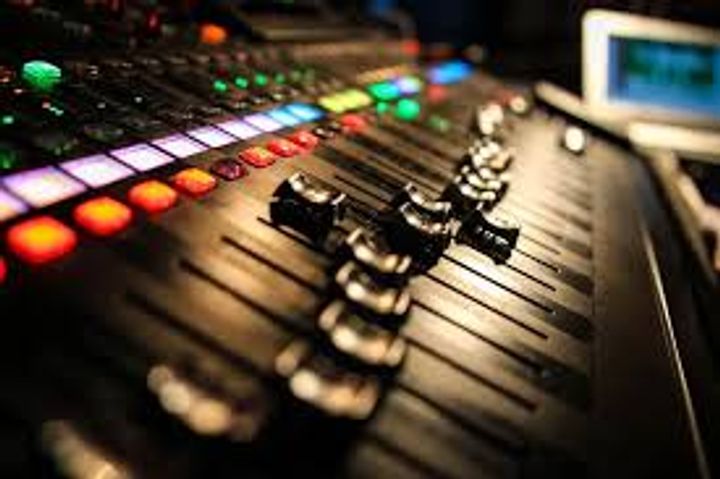
Audio Sound Engineering: A Comprehensive Guide for Beginners and Enthusiasts
Audio sound engineering is the practice of capturing, shaping, and reproducing sound for different purposes such as music, film, broadcasting, and digital media. It combines creative listening with technical understanding, allowing individuals to control how sound is recorded and heard. From early analog recording methods to modern digital audio systems, this field has evolved alongside technological progress.
At its core, audio sound engineering focuses on how sound waves are converted into electrical signals, processed, and played back through speakers or headphones. This includes tasks like recording vocals, adjusting volume levels, reducing noise, and balancing different audio elements. Beginners and enthusiasts often start by learning how microphones, mixers, and software work together in a recording setup.
The growing accessibility of digital tools has made audio sound engineering more approachable. Today, individuals can experiment with sound production using personal computers, portable recording devices, and widely available editing software. This shift has expanded the reach of audio engineering beyond professional studios into homes, classrooms, and independent creative spaces.
Importance
Audio sound engineering plays an important role in everyday life, even for those who are not directly involved in music or media production. Clear and balanced audio is essential in podcasts, online videos, virtual meetings, and educational content. Poor sound quality can reduce understanding and engagement, making audio engineering a key factor in communication.
For content creators, audio sound engineering helps maintain consistency and clarity. It ensures that speech is easy to hear, background noise is minimized, and sound levels remain stable. This is especially relevant in digital platforms where users consume content through headphones or mobile devices.
In entertainment, sound engineering enhances storytelling. In films and television, audio engineers work with dialogue, sound effects, and music to create immersive experiences. In live events, proper sound management ensures that audiences hear performances clearly, regardless of venue size.
Common challenges addressed by audio sound engineering include:
- Noise control, which involves reducing unwanted background sounds
- Sound balance, where different audio elements are adjusted for clarity
- Signal distortion, which occurs when audio levels are too high
- Acoustic issues, such as echoes or uneven sound distribution
These challenges affect both professionals and casual users, making basic knowledge of audio sound engineering useful across many fields.
Recent Updates
In recent years, audio sound engineering has seen steady changes driven by digital innovation. One notable trend is the increased use of artificial intelligence in audio processing. AI-based tools can now assist in noise reduction, voice enhancement, and automatic mixing, simplifying tasks that once required manual adjustments.
Another development is the rise of spatial audio and immersive sound formats. These technologies create a three-dimensional listening experience, commonly used in gaming, virtual reality, and advanced media production. They allow sound to be positioned around the listener, adding depth and realism.
Remote collaboration has also become more common. Audio engineers and creators can now work together from different locations using cloud-based platforms. This has expanded opportunities for teamwork without requiring physical studio access.
Portable and compact recording equipment has improved as well. Devices with built-in microphones and digital processing capabilities allow users to capture high-quality audio in various environments, including outdoor settings and small rooms.
Overall, the trend in audio sound engineering is toward accessibility, automation, and enhanced listening experiences.
Laws or Policies
Audio sound engineering is influenced by various regulations that aim to protect creators, audiences, and public spaces. These rules can vary by country but generally cover similar areas.
One key aspect is copyright law. Audio recordings, music tracks, and sound effects are protected as intellectual property. Using copyrighted material without permission may lead to legal consequences. This is particularly relevant for content creators who share audio online.
Another area involves noise regulations. Governments often set limits on sound levels in residential and public areas to prevent disturbances. These rules can affect live events, recording environments, and outdoor audio setups.
Broadcasting standards also play a role. Television and radio networks follow guidelines to ensure consistent audio levels and clarity. These standards help prevent sudden changes in volume that could disrupt listeners.
In educational and public institutions, safety guidelines may apply to audio equipment usage. These include proper handling of electrical devices and maintaining safe sound levels to protect hearing.
Understanding these policies helps individuals practice audio sound engineering responsibly and avoid potential issues.
Tools and Resources
A variety of tools and resources support learning and practicing audio sound engineering. These range from hardware devices to software applications and online platforms.
Common tools include:
- Microphones, which capture sound from different sources such as voice or instruments
- Audio interfaces, which convert analog signals into digital data for computers
- Digital audio workstations (DAWs), software used for recording, editing, and mixing audio
- Headphones and studio monitors, which help in accurate listening and sound evaluation
Below is a simple comparison of common audio tools:
| Tool Type | Main Function | Typical Use Case |
|---|---|---|
| Microphone | Captures sound waves | Recording vocals or instruments |
| Audio Interface | Converts audio signals | Connecting microphones to computers |
| DAW Software | Edits and mixes audio | Music production, podcast editing |
| Studio Monitors | Plays back sound accurately | Mixing and mastering audio |
Online resources also support learning. These include tutorials, audio libraries, and forums where users can exchange knowledge. Educational platforms provide structured lessons on topics like mixing techniques, sound design, and recording basics.
Templates and preset configurations within audio software can help beginners understand common setups. For example, pre-configured equalizer settings or mixing layouts can guide users in shaping sound effectively.
FAQs
What is audio sound engineering in simple terms?
Audio sound engineering is the process of recording, editing, and adjusting sound so it can be heard clearly and accurately. It involves both technical tools and creative decisions.
How can beginners start learning audio sound engineering?
Beginners can start by exploring basic concepts such as microphone use, sound levels, and simple editing in digital audio software. Practicing with small projects like voice recordings or simple music tracks can build understanding.
What tools are used in audio sound engineering?
Common tools include microphones, audio interfaces, digital audio workstations, and monitoring devices like headphones or speakers. These tools work together to capture and refine sound.
Why is audio sound engineering important for online content?
Audio sound engineering ensures that spoken words and background sounds are clear and balanced. This improves listener experience in videos, podcasts, and virtual communication.
Are there legal rules related to audio sound engineering?
Yes, audio sound engineering is affected by copyright laws, noise regulations, and broadcasting standards. These rules help protect creators and maintain public safety.
Conclusion
Audio sound engineering combines technical knowledge and creative listening to shape how sound is recorded and experienced. It plays a role in communication, entertainment, and digital content creation. Advances in technology have made it more accessible, allowing more people to explore and learn its basics. Understanding its principles helps improve sound quality in both professional and everyday settings.