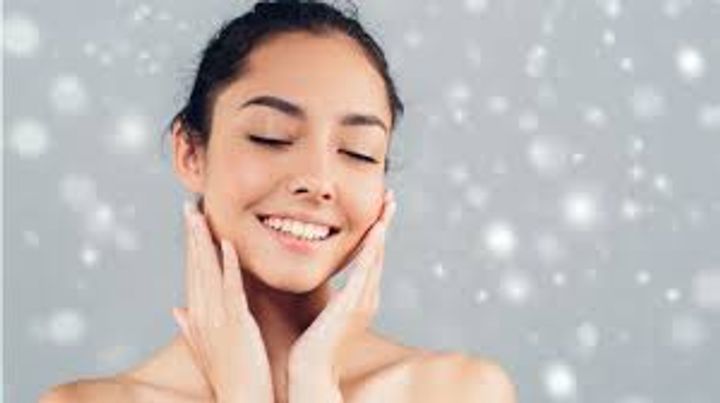
The Ultimate Guide to Facial Treatments for Glowing Skin
Facial treatments for glowing skin have been practiced for centuries across different cultures, often using natural ingredients, massage techniques, and cleansing rituals. Over time, these practices have evolved into structured skincare methods supported by dermatology and cosmetic science. Today, facial treatments include a wide range of approaches such as cleansing routines, exfoliation, hydration methods, and targeted skin therapies.
The idea behind facial treatments is to maintain skin health, improve appearance, and address common concerns like dryness, acne, dullness, and uneven tone. Glowing skin is often associated with proper hydration, balanced oil levels, and effective removal of dead skin cells. While the term “glow” can vary in meaning, it generally refers to skin that appears smooth, clear, and well-nourished.
Modern facial treatments can be done at home or in professional settings, using products and tools designed for different skin types. Understanding how these treatments work helps individuals choose methods that align with their skin needs without unnecessary complexity.
Importance
Facial treatments for glowing skin are relevant because skin health is closely linked to overall well-being and environmental exposure. Factors such as pollution, stress, diet, and climate can affect the skin’s condition. As a result, many people experience issues like dryness, irritation, or uneven texture.
Regular facial care can help address these concerns by supporting the skin’s natural renewal process. For example, cleansing removes impurities, exfoliation clears dead cells, and moisturizing helps maintain hydration. These steps contribute to a more balanced skin surface.
This topic matters for a wide range of individuals, including those dealing with:
- Urban pollution exposure, which can clog pores and dull the skin
- Dry or humid climates, affecting moisture balance
- Age-related changes, such as reduced elasticity and slower cell turnover
- Lifestyle factors, including sleep patterns and diet
Facial treatments also play a role in preventive care. Maintaining consistent routines can reduce the likelihood of certain skin issues becoming more noticeable over time. While results vary between individuals, structured skincare habits can support healthier-looking skin.
Recent Updates
Recent developments in facial treatments for glowing skin reflect a shift toward personalization and simplified routines. Many skincare approaches now focus on understanding individual skin types rather than applying the same method to everyone.
One notable trend is the use of skin analysis tools, which help identify hydration levels, oil balance, and sensitivity. These tools guide users in selecting appropriate treatments. Another development is the growing interest in minimalist skincare routines, often referred to as “skin cycling,” where products are used in rotation to avoid overuse.
There is also increased attention on ingredient transparency. People are more aware of what goes into skincare products and how different ingredients interact with the skin. This has led to a preference for formulations that balance effectiveness with skin compatibility.
Technology has also influenced facial treatments. Devices such as LED masks, facial rollers, and microcurrent tools are becoming more common. These tools aim to enhance traditional methods like massage and product absorption.
Overall, the current trend emphasizes consistency, understanding skin behavior, and avoiding overly complex routines.
Laws or Policies
Facial treatments and skincare products are influenced by regulations that aim to ensure safety and accurate labeling. In many countries, including India, cosmetic products are regulated under frameworks that require manufacturers to disclose ingredients and follow safety standards.
Key aspects of these regulations include:
- Ingredient disclosure, ensuring transparency about what is applied to the skin
- Safety testing, to reduce the risk of harmful reactions
- Labeling requirements, providing information about usage and storage
- Advertising guidelines, preventing misleading claims about outcomes
For professional facial treatments, clinics and practitioners may be required to follow hygiene standards and obtain certifications depending on local regulations. These rules help maintain a safe environment for individuals receiving treatments.
It is important to note that regulations can vary between regions. Individuals are encouraged to refer to local guidelines when considering advanced or specialized facial procedures.
Tools and Resources
A variety of tools and resources are available to support facial treatments for glowing skin. These range from simple everyday items to more advanced devices.
Common tools include:
- Cleansing brushes, which assist in removing dirt and oil from the skin surface
- Facial rollers, often made from materials like jade or quartz, used for gentle massage
- Steam devices, which help open pores before cleansing
- LED therapy devices, designed to target specific skin concerns
- Microcurrent tools, used to stimulate facial muscles
In addition to physical tools, digital resources can help individuals understand their skin better. Skincare tracking apps, ingredient databases, and dermatology information platforms provide useful guidance.
Below is a simple comparison of common facial treatment types:
| Treatment Type | Main Purpose | Suitable For | Frequency |
|---|---|---|---|
| Cleansing Facial | Remove dirt and oil | All skin types | Daily or weekly |
| Exfoliating Facial | Remove dead skin cells | Dull or uneven skin | 1–2 times weekly |
| Hydrating Facial | Restore moisture | Dry or dehydrated skin | Weekly |
| Acne-focused Facial | Target breakouts | Acne-prone skin | As needed |
| Anti-aging Facial | Improve elasticity | Mature skin | Monthly |
Choosing the right combination of tools and treatments depends on individual skin needs and comfort levels.
FAQs
What are facial treatments for glowing skin?
Facial treatments for glowing skin include cleansing, exfoliating, and hydrating steps designed to improve skin texture and appearance. These treatments aim to support natural skin renewal and maintain balance.
How often should facial treatments be done?
The frequency depends on the type of treatment and skin condition. Basic routines like cleansing can be done daily, while exfoliation and specialized treatments are usually done weekly or monthly.
Are facial treatments suitable for all skin types?
Most facial treatments can be adapted for different skin types, including oily, dry, combination, and sensitive skin. It is important to select methods and products that match individual skin needs.
Do facial treatments help with long-term skin health?
Consistent facial treatments can support skin maintenance by addressing buildup, hydration, and surface renewal. However, results vary, and they should be seen as part of a broader skincare routine.
What tools are commonly used in facial treatments for glowing skin?
Common tools include cleansing brushes, facial rollers, steam devices, and LED masks. These tools are used to enhance cleansing, improve circulation, and support product absorption.
Conclusion
Facial treatments for glowing skin combine traditional practices with modern skincare knowledge. They focus on maintaining balance, improving texture, and supporting the skin’s natural processes. With a wide range of methods available, individuals can choose routines that align with their skin type and lifestyle. Understanding the purpose and proper use of these treatments helps in maintaining consistent and effective skincare habits. Over time, simple and structured approaches can contribute to healthier-looking skin.