Textile Recycling Guide: Types, Methods, Equipment, Applications and Material Recovery
Textile recycling is the process of collecting discarded fabrics and garments, sorting them by material and condition, and converting suitable textile waste into reusable fibres, yarns, materials, or other products. Textile waste can come from households, clothing production, fabric cutting, damaged garments, upholstery, industrial textiles, and other manufacturing activities.
Context
Textile recycling is the process of collecting discarded fabrics and garments, sorting them by material and condition, and converting suitable textile waste into reusable fibres, yarns, materials, or other products. Textile waste can come from households, clothing production, fabric cutting, damaged garments, upholstery, industrial textiles, and other manufacturing activities.
The need for textile recycling has grown as textile production has become more diverse. Cotton, wool, polyester, nylon, acrylic, viscose, blended fabrics, and fabrics containing coatings or accessories can all enter the waste stream. Each material behaves differently during recovery, so identification and separation are important parts of the process.
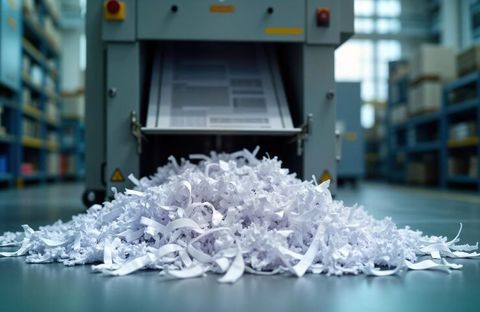
Textile recycling generally begins with collection and sorting. Reusable clothing may be separated from damaged material, while recyclable fabrics can move through shredding, fibre opening, cleaning, separation, and other processing stages. Materials that cannot be converted into fibres may sometimes be directed toward insulation, wiping materials, composite products, or controlled energy recovery.
Common Sources of Textile Waste
Textile waste can originate at several stages of the textile lifecycle:
- Manufacturing waste: Fabric scraps, cutting remnants, rejected pieces, and production offcuts.
- Household textiles: Clothing, towels, curtains, bedding, and other used fabrics.
- Commercial textiles: Uniforms, upholstery fabrics, linens, and workplace textiles.
- Industrial textiles: Technical fabrics, filtration materials, protective fabrics, and process-related textile residues.
- Blended materials: Fabrics containing combinations such as cotton-polyester or wool-nylon.
The composition and condition of incoming material determine which recycling method is appropriate.
Importance
Textile recycling matters because discarded fabrics contain useful fibres and materials that may otherwise enter mixed waste streams. Recovering these materials can reduce the quantity of textile waste requiring disposal while creating secondary raw materials for different applications.
The subject also affects manufacturers, households, municipalities, waste processors, designers, and other organizations involved in textile production and consumption. Better sorting can help distinguish reusable materials from those that require mechanical, chemical, or other forms of recovery.
Environmental and Material Considerations
Different recycling pathways address different material challenges. Natural fibres such as cotton and wool can often be mechanically processed, while synthetic fibres such as polyester and nylon may require different separation or reprocessing techniques.
Blended fabrics present a particular challenge because their fibres are physically or chemically combined. Recovering individual components may require specialized separation technologies.
| Textile Material | Common Recovery Route | Potential Recovered Material |
|---|---|---|
| Cotton | Sorting, shredding, fibre opening | Recycled cotton fibre |
| Wool | Sorting and fibre recovery | Recovered wool fibre |
| Polyester | Sorting and reprocessing | Recycled polyester material |
| Nylon | Separation and reprocessing | Recovered nylon |
| Cotton-polyester blends | Fibre separation or mechanical processing | Mixed or separated fibres |
| Textile scraps | Cutting and shredding | Fibres, stuffing, insulation |
| Damaged fabrics | Mechanical processing | Wiping or composite materials |
Textile recycling can therefore be viewed as a material recovery process rather than a single technology. The appropriate method depends on fibre type, contamination, colour, construction, and intended application.
Recent Updates
From 2024 through 2026, textile recycling has increasingly been connected with circular economy policies, material traceability, improved sorting, and research into fibre-to-fibre recycling. Attention has also increased around textile blends because separating different fibres remains technically challenging.
In India, the policy environment changed significantly with the introduction of the Solid Waste Management Rules, 2026. The rules were notified in January 2026 and came into effect on April 1, 2026, replacing the 2016 framework. They introduce four-stream segregation and place greater emphasis on circular economy principles and extended responsibility for waste management.
India has also supported research into converting textile waste into advanced materials through the National Technical Textiles Mission. Areas of research include technologies involving textile waste, biomass, green materials, carbon fibres, and functional textiles.
Internationally, textile waste policy has also been developing rapidly. The European Union's revised Waste Framework Directive entered into force in 2025 and introduced a harmonized framework for extended producer responsibility covering textiles and footwear.
Emerging Recycling Approaches
Current development is moving beyond simple shredding toward more precise material recovery. Important areas include:
- Automated textile sorting based on fibre composition.
- Mechanical fibre recovery with improved material separation.
- Chemical recycling for selected synthetic and cellulosic fibres.
- Fibre-to-fibre recycling systems.
- Digital tracking of textile composition and product information.
- Research into recycling blended fabrics.
- Greater use of recovered fibres in new textile and non-textile applications.
These developments do not mean that every textile can currently be recycled into a new garment. Material composition, contamination, colour, fibre length, dyes, finishes, and fabric construction continue to influence the practical recycling route.
Laws or Policies
India's textile recycling landscape is influenced by national environmental rules as well as state and local waste-management requirements. The Solid Waste Management Rules, 2026 operate under the Environment (Protection) Act, 1986 and replaced the earlier 2016 rules. The updated framework emphasizes source segregation, processing, resource recovery, and environmentally sound waste management.
The 2026 rules require solid waste to be separated at source into four streams: wet waste, dry waste, sanitary waste, and special-care waste. Textile materials can fall within the dry-waste stream depending on their characteristics and local handling arrangements. The framework is intended to improve recovery by reducing unnecessary mixing of different waste types.
For textile manufacturing facilities, environmental requirements can also relate to wastewater, emissions, hazardous materials, and industrial operations. Textile processing facilities may therefore have additional obligations depending on their activities and location.
International Policy Direction
The European Union provides another example of how textile policy is evolving. Its revised waste framework establishes extended producer responsibility for covered textile and footwear products, with producer contributions connected to waste management and product characteristics.
The EU Textile Strategy also focuses on durability, repairability, recyclability, recycled fibres, product information, and circular production systems. These policies illustrate a broader international movement toward considering textile waste throughout the entire product lifecycle.
Because regulations can change and requirements may differ by state, facility type, and waste category, organizations should refer to current government notifications and applicable local rules when determining compliance requirements.
Tools and Resources
Several types of resources can help readers understand textile recycling and material recovery.
Government and Regulatory Resources
The Central Pollution Control Board (CPCB) provides information related to solid waste management and operates a centralized online platform for relevant waste-management activities. Its current portal also provides information about the Solid Waste Management Rules, 2026.
The Ministry of Environment, Forest and Climate Change (MoEFCC) publishes environmental notifications, rules, and policy documents. Its materials can help readers locate the latest national requirements.
The Ministry of Textiles and resources associated with the National Technical Textiles Mission can provide information about textile technology, research, and material development.
Practical Textile Recycling Tools
For basic material assessment, organizations may use:
- Fibre-content labels and textile composition records.
- Material identification guides.
- Sorting checklists.
- Textile waste classification templates.
- Moisture and contamination assessment records.
- Bale-weight and material-tracking spreadsheets.
- Fibre-length and quality assessment methods.
- Inventory records for recovered materials.
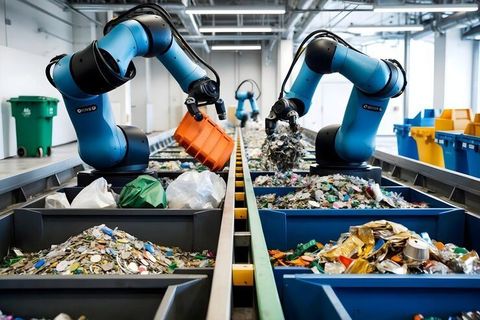
Industrial textile recycling facilities may use equipment such as conveyors, sorting systems, shredders, cutters, fibre openers, dust-control systems, balers, magnets, screens, and specialized separation equipment. Chemical or advanced recycling systems require additional process controls suited to the particular material.
FAQs
What is textile recycling?
Textile recycling is the process of recovering useful fibres or materials from discarded fabrics and textile products. Depending on the material, recycling may involve sorting, shredding, fibre opening, mechanical processing, chemical separation, or other recovery methods.
What types of textiles can be recycled?
Cotton, wool, polyester, nylon, and several other textile materials can enter recycling systems. However, suitability depends on fibre composition, contamination, fabric construction, colour, and the intended recovery process.
What equipment is used for textile recycling?
Common textile recycling equipment includes sorting conveyors, cutting machines, shredders, fibre openers, balers, screens, dust-control systems, and material-separation equipment. The equipment used depends on the type of textile being processed.
How does textile material recovery work?
Textile material recovery usually starts with collection and sorting. Suitable materials are then processed through mechanical or other recovery methods to produce fibres, flakes, reusable textile materials, insulation, wiping materials, composite components, or other outputs.
Why are blended fabrics difficult to recycle?
Blended fabrics contain two or more fibre types that may have different physical and chemical properties. Separating these fibres can require additional processing, which makes recovery more complicated than processing a single-fibre textile.
Conclusion
Textile recycling involves collecting, sorting, processing, and recovering useful materials from discarded fabrics and textile products. Mechanical recycling, fibre separation, chemical processing, and other methods can be used according to material composition and condition. Recent developments in India and other regions show increasing attention to source segregation, circular economy practices, material recovery, and producer responsibility. The practical recycling route ultimately depends on the type, quality, and composition of the textile material.