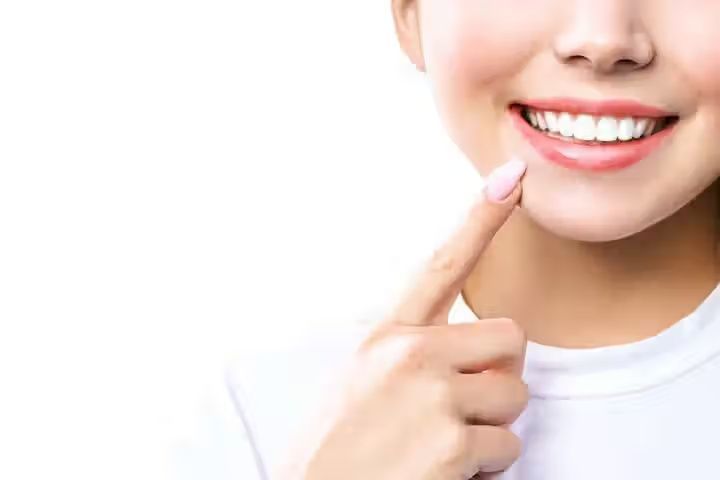
Teeth Whitening Guide: Explore Safe Methods, Benefits, and Key Insights
Teeth whitening is a dental care practice focused on improving the color of natural teeth by reducing stains and discoloration. Over time, teeth can lose their brightness due to diet, lifestyle habits, aging, and natural enamel changes. Teeth whitening exists to address these changes and help people maintain a clean, well-cared-for appearance.
Unlike routine brushing and flossing, whitening specifically targets color changes rather than plaque or decay. It is considered part of cosmetic oral care, but it also plays a role in personal hygiene awareness and confidence. This guide explains the context, importance, recent developments, regulations, tools, and common questions related to teeth whitening in a simple and neutral way.
Context
Teeth are naturally off-white, and their color can vary from person to person. Over time, the outer enamel layer becomes thinner, allowing the yellowish dentin beneath to show through more clearly. In addition, external stains can develop due to everyday exposure to certain foods, drinks, and habits.
Common causes of tooth discoloration include:
-
Beverages such as tea, coffee, and red wine
-
Foods with strong pigments
-
Tobacco use
-
Natural aging
-
Certain medications taken during tooth development
-
Inadequate oral hygiene
Teeth whitening methods are designed to break down stain molecules or lighten the color of the tooth surface. These methods range from professionally supervised procedures to carefully formulated at-home approaches. The main goal is to improve tooth appearance while protecting enamel and gum health.
Importance
Teeth whitening matters today because oral appearance is closely linked to personal confidence and social interaction. While whitening does not treat dental disease, it complements general oral hygiene practices.
Who teeth whitening affects
Teeth whitening is relevant for:
-
Adults experiencing age-related discoloration
-
Individuals with surface stains from diet or habits
-
People preparing for important life events
-
Anyone interested in maintaining a bright, clean smile
Problems teeth whitening helps address
Teeth whitening helps with:
-
Visible staining that brushing alone cannot remove
-
Uneven tooth color caused by external factors
-
Dull appearance due to enamel wear over time
Why awareness is important
Not all discoloration responds the same way to whitening. Some stains are intrinsic (inside the tooth) and may not lighten significantly. Understanding the limits and safe use of whitening methods helps prevent unrealistic expectations and potential sensitivity issues.
Types of Tooth Stains (Table)
| Stain Type | Origin | Typical Cause |
|---|---|---|
| Extrinsic | Tooth surface | Food, drinks, tobacco |
| Intrinsic | Inside tooth | Aging, medications |
| Age-related | Combined | Enamel thinning over time |
Common Teeth Whitening Methods
Teeth whitening approaches differ in strength, supervision level, and application method. Choosing an appropriate method depends on individual dental condition and sensitivity.
Surface stain removal methods
These methods focus on removing external stains:
-
Whitening toothpaste with mild abrasives
-
Polishing during routine dental cleaning
-
Proper brushing techniques
They are useful for maintenance but have limited impact on deeper discoloration.
Peroxide-based whitening methods
These methods use controlled bleaching agents to lighten tooth color:
-
Dentist-supervised whitening procedures
-
Custom-fit trays used under guidance
-
Short-term, monitored applications
Peroxide works by breaking down stain molecules into smaller, less visible compounds.
Gradual whitening approaches
These focus on slower, controlled lightening:
-
Low-concentration formulations
-
Repeated short-duration use
-
Designed to reduce sensitivity risk
Gradual methods are often preferred by individuals with sensitive teeth.
Benefits of Teeth Whitening
Teeth whitening offers several practical and psychological benefits when done responsibly.
Key benefits include:
-
Improved appearance of natural teeth
-
Enhanced confidence in social and professional settings
-
Motivation to maintain better oral hygiene
-
More uniform tooth color
It is important to note that whitening does not change the color of dental restorations such as crowns or fillings.
Recent Updates and Trends (2024–2025)
Teeth whitening practices have evolved in recent years, with more emphasis on safety, personalization, and enamel protection.
2024: Increased focus on enamel-safe formulations
In 2024, research and product development emphasized reducing tooth sensitivity. Newer formulations aim to balance whitening effectiveness with enamel preservation by:
-
Using lower peroxide concentrations
-
Adding remineralizing ingredients
-
Improving application control
2024: Growth in dentist-guided at-home whitening
Dentist-guided home whitening gained attention in 2024 as it allows gradual results while maintaining professional oversight. This approach combines convenience with safety monitoring.
2025: Greater awareness of realistic outcomes
By early 2025, more educational efforts focused on setting realistic expectations. Public information increasingly highlights that:
-
Results vary by tooth structure and stain type
-
Whitening has natural limits
-
Maintenance habits play a major role in long-term appearance
2025: Integration with overall oral health planning
Teeth whitening is now more often discussed alongside gum health, enamel care, and routine dental checkups rather than as a standalone cosmetic step.
Laws or Policies Affecting Teeth Whitening
Teeth whitening is regulated differently across regions, but most countries have guidelines to ensure consumer safety.
Regulation of whitening agents
Many health authorities regulate:
-
Maximum allowable concentrations of active bleaching ingredients
-
Who can administer higher-strength whitening treatments
-
Labeling requirements and safety instructions
These rules aim to prevent enamel damage and gum irritation.
Dental professional oversight
In several regions:
-
Stronger whitening agents are restricted to dental professionals
-
Professional assessment is encouraged before whitening
-
Dental boards issue guidance on appropriate use
Consumer protection and advertising standards
Advertising related to teeth whitening is often subject to:
-
Rules against misleading claims
-
Requirements for factual, evidence-based information
-
Clear disclosure of limitations and risks
These standards help protect consumers from unrealistic promises.
Tools and Resources
Teeth whitening is safer and more effective when supported by reliable tools and educational resources.
Oral health assessment tools
Useful resources include:
-
Dental shade guides for tracking color changes
-
Oral health questionnaires used by dental clinics
-
Sensitivity tracking logs
Educational resources
Helpful learning tools include:
-
Dental association websites
-
Oral health education portals
-
Evidence-based dental care articles
Oral hygiene support tools
Supporting tools that help maintain whitening results:
-
Soft-bristle toothbrushes
-
Fluoride toothpaste
-
Interdental cleaning tools
-
Non-staining dietary guides
Whitening Maintenance Habits (Table)
| Habit | Purpose |
|---|---|
| Regular brushing | Reduces surface stain buildup |
| Rinsing after dark beverages | Limits pigment contact |
| Routine dental cleaning | Maintains enamel health |
| Sensitivity monitoring | Prevents overuse |
Safety Considerations
Safety is a key part of teeth whitening education. Overuse or incorrect application can lead to temporary or prolonged sensitivity.
Important safety points include:
-
Avoid whitening on untreated cavities or gum disease
-
Follow recommended usage frequency
-
Allow recovery time between whitening sessions
-
Stop use if significant discomfort occurs
Whitening should be postponed if there is active oral inflammation or untreated dental issues.
FAQs
What is teeth whitening, and how does it work?
Teeth whitening is a process that lightens tooth color by breaking down stain molecules on or within the tooth structure. It does not remove enamel but works within it.
Is teeth whitening safe for everyone?
Teeth whitening is generally safe when done correctly, but it may not be suitable for people with untreated dental problems, severe sensitivity, or certain restorations. A dental evaluation is recommended.
How long do teeth whitening results last?
Results vary depending on diet, oral hygiene, and natural tooth structure. With good habits, the appearance can remain improved for months to longer periods.
Can teeth whitening damage enamel?
When used as directed, modern whitening methods are designed to minimize enamel impact. Overuse or incorrect application increases the risk of sensitivity rather than permanent damage.
Does whitening work on all types of stains?
Whitening is most effective on external stains. Some internal discoloration may respond less, depending on the cause and tooth structure.
Conclusion
Teeth whitening is an established part of cosmetic oral care that focuses on improving the appearance of natural teeth while supporting personal confidence. It exists because everyday habits, aging, and natural tooth changes can lead to discoloration that regular cleaning cannot fully address.
Today, teeth whitening is increasingly approached with an emphasis on safety, education, and realistic expectations. Advances in formulations and guidance have made it easier to balance appearance goals with enamel health. When combined with good oral hygiene and informed decision-making, teeth whitening can be a responsible and beneficial part of long-term dental care.
Disclaimer: The information provided in this article is for informational purposes only. We do not make any claims or guarantees regarding the accuracy, reliability, or completeness of the information presented. The content is not intended as professional advice and should not be relied upon as such. Readers are encouraged to conduct their own research and consult with appropriate professionals before making any decisions based on the information provided in this article.