Spanish Flamenco Cities Guide: Historic Areas, Dance Traditions, Venues and Cultural Experiences
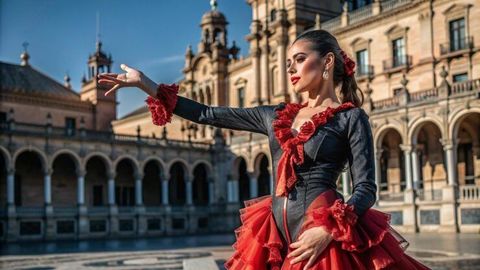
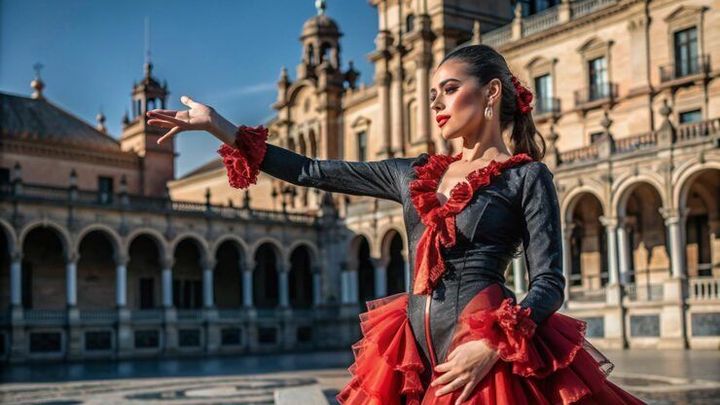
Flamenco is a cultural art form associated especially with Andalusia in southern Spain. It combines cante (singing), baile (dance), and toque (guitar and musical accompaniment), while also incorporating hand-clapping, footwork, rhythm, and other forms of expression. A Spanish Flamenco Cities Guide helps explain how different places developed their own traditions, historic areas, venues, festivals, and cultural practices. UNESCO included flamenco on the Representative List of the Intangible Cultural Heritage of Humanity in 2010.
Origins and cultural background
Flamenco developed through a long interaction of communities and cultural influences in southern Spain. Andalusia is generally regarded as its heartland, while related traditions also developed in places such as Murcia and Extremadura. The history of flamenco includes an important contribution from the Gitano, or Roma, community, alongside other historical cultural influences.
Rather than being a single dance style, flamenco includes several connected artistic forms. Cante provides the vocal element, baile provides movement and expression, and toque centers on guitar playing. Palms, foot stamping, rhythm, and other musical elements can also form part of a performance.
The tradition has historically been transmitted through families, artist dynasties, peñas, social groups, and flamenco venues. Today, transmission also takes place through academies, conservatories, universities, cultural institutions, and formal educational programs.
Main flamenco cities
Several Spanish cities have distinctive relationships with flamenco. Seville, Jerez de la Frontera, Granada, Córdoba, and Madrid are particularly relevant when exploring historic areas, dance traditions, and performance spaces. Each city reflects a different part of flamenco's development.
| City | Historic area or cultural setting | Common flamenco connection | Cultural places and activities |
|---|---|---|---|
| Seville | Triana and historic centre | Sevillanas, tonás, peñas and tablaos | Flamenco shows, museums, festivals |
| Jerez de la Frontera | Santiago district | Bulerías and strong local traditions | Flamenco clubs, festivals, archives |
| Granada | Sacromonte | Cave-based zambra traditions | Cave performances and museums |
| Córdoba | Historic centre | Andalusian flamenco traditions | Performances and cultural events |
| Madrid | Central districts and historic venues | Theatre, tablao and modern performance culture | Shows, festivals, schools and cultural programs |
Seville has a particularly visible connection with Triana, while Jerez is strongly associated with its Santiago district. Granada's Sacromonte is known for cave dwellings and zambra traditions. Madrid developed an important flamenco culture of its own, particularly through theatres, cafés, tablaos, academies, and artists who moved between Andalusia and the capital.
Importance
Why flamenco cities matter
Flamenco provides a way to understand Spanish cultural history through music, dance, language, architecture, community traditions, and social gatherings. Looking at the art through individual cities makes it easier to see how local environments influenced performance practices and how traditions were transmitted between generations.
For visitors and residents, flamenco can also provide context for historic neighbourhoods. Areas such as Triana in Seville and Sacromonte in Granada are not simply performance locations; they have their own architectural, social, and historical identities. Jerez's Santiago district similarly connects flamenco with local community life and historic buildings.
Understanding dance traditions
Flamenco dance can involve precise footwork, controlled posture, arm movements, turns, gestures, and rhythmic interaction with musicians. Different palos, or flamenco forms, have distinct rhythmic and emotional characteristics.
Some commonly encountered styles include:
- Bulerías, associated strongly with Jerez and known for complex rhythm and improvisational possibilities.
- Soleá, characterized by a measured rhythmic structure and expressive movement.
- Alegrías, connected historically with Cádiz and generally associated with a brighter rhythmic character.
- Tangos, a distinct flamenco form with its own rhythm and variations.
- Sevillanas, strongly associated with Seville and Andalusian social and festive traditions.
- Fandangos, a broad family of forms with regional variations.
These categories should not be treated as rigid divisions. Flamenco continues to evolve, and performers may interpret traditional forms in different ways.
Venues and cultural experiences
Flamenco can be encountered in several types of settings. Tablaos are established venues for flamenco performances, while peñas are cultural associations where enthusiasts and performers gather around the art. Theatres, festivals, museums, academies, cultural centres, and historic neighbourhoods also contribute to the wider flamenco environment.
In Seville, visitors can encounter performances in tablaos and neighbourhood peñas, while Triana provides a broader cultural setting connected with ceramics, historic streets, and local traditions. Seville also hosts the Bienal de Flamenco, a recurring international event devoted to the art.
Jerez de la Frontera has a particularly strong relationship with flamenco through the Santiago district, local clubs, recitals, and recurring cultural events. The Andalusian Centre of Flamenco also provides historical material and archival resources.
Granada's Sacromonte is closely associated with zambra performances traditionally presented in caves. The neighbourhood also contains the Cuevas del Sacromonte Museum, which provides information about the area's cave architecture and cultural history.
Madrid provides another perspective. Its flamenco culture developed through cafés, theatres, tablaos, academies, festivals, and generations of artists. Current cultural listings include venues such as Teatro Flamenco Madrid, Cardamomo, Tablao de la Villa, Las Carboneras, and other performance spaces.
Recent Updates
Cultural recognition in Madrid
A notable development during the recent period was the formal recognition of flamenco as Intangible Cultural Heritage of Cultural Interest in the Community of Madrid. The regional government approved this designation in 2024, recognizing documented historical roots in Madrid dating back to at least the mid-nineteenth century.
The same period included cultural activities examining the history of flamenco in Madrid. The FLAMENCO Chipén exhibition explored around 150 years of cante, toque, and baile in the capital, connecting historic cafés, academies, tablaos, and artists with the city's cultural development.
Strategic planning in Andalusia
Andalusia introduced another significant development in 2026 when its government approved the General Strategic Plan for Flamenco. The plan is established under the Andalusian Flamenco Law and addresses areas such as the state of flamenco heritage, education, cultural activity, artists, and national and international dissemination.
Broader cultural preservation
Recent policy developments also show a wider emphasis on protecting intangible cultural heritage rather than focusing only on physical monuments. This approach recognizes that traditions depend on communities, knowledge, transmission, performance spaces, and continuing cultural practice.
The current trend therefore combines preservation with documentation, education, digital dissemination, contemporary artistic development, and access to cultural activities. Andalusia's legal framework specifically recognizes flamenco as an evolving artistic expression rather than a fixed historical object.
Laws or Policies
Spanish cultural heritage framework
Spain's Law 10/2015 on safeguarding intangible cultural heritage provides a national framework for protecting practices, expressions, knowledge, and techniques recognized by communities as part of their cultural heritage. The framework includes performing arts, oral traditions, social practices, rituals, music, and traditional dance.
The national framework also emphasizes documentation, education, transmission, dissemination, and cooperation between public authorities. This is relevant to flamenco because much of its heritage exists through living practices rather than through physical objects alone.
Andalusian Flamenco Law
Andalusia adopted Law 4/2023, specifically establishing a legal framework for flamenco. The law addresses protection, conservation, research, education, transmission, documentation, and cultural access. It also recognizes the historical contribution of the Gitano community and the role of peñas, tablaos, educational institutions, and other cultural groups.
The law also provides for an Andalusian Flamenco Register and a General Strategic Plan for Flamenco. In 2026, that strategic plan was formally approved.
Andalusia's wider heritage framework
A new Andalusian Cultural Heritage Law was adopted in 2026. It explicitly recognizes intangible cultural heritage, including traditional musical and dance expressions such as flamenco, while retaining the specific framework established by the Andalusian Flamenco Law.
For readers exploring flamenco cities, these policies help explain why performances, historic spaces, archives, educational programs, and community traditions can all be considered part of cultural preservation.
Tools and Resources
Official cultural resources
Several public resources can help readers understand flamenco beyond individual performances:
- UNESCO's Intangible Cultural Heritage database provides background on flamenco's international heritage designation and describes its components of cante, baile, and toque.
- Spain's official tourism portal provides destination information for cities such as Seville and Jerez de la Frontera, including historic neighbourhoods and flamenco-related activities.
- The Andalusian Institute of Flamenco provides information about heritage, cultural programs, festivals, archives, and flamenco-related institutions.
- Madrid's official tourism portal provides current information about flamenco venues, festivals, theatres, and cultural programs in the capital.
- Granada's official tourism portal provides historical information about Sacromonte and its relationship with cave-based flamenco traditions.
When researching a performance or cultural activity, official city calendars and venue schedules are useful because programs can change according to the season and cultural calendar.
FAQs
Which cities are important in a Spanish Flamenco Cities Guide?
Seville, Jerez de la Frontera, Granada, Córdoba, and Madrid are significant cities for understanding flamenco. Seville and Jerez are particularly associated with Andalusian traditions, Granada is known for Sacromonte's cave-based zambra culture, and Madrid has developed a long-standing urban flamenco scene.
What historic areas are associated with flamenco dance traditions?
Triana in Seville, Santiago in Jerez de la Frontera, and Sacromonte in Granada are particularly associated with flamenco history and traditions. These districts also contain architectural, social, and cultural features that help explain their relationship with the art.
What are common flamenco venues in Spanish cities?
Tablaos, peñas, theatres, cultural centres, festivals, and academies are common settings. Madrid has a particularly broad range of established tablaos and theatre programs, while Andalusian cities include neighbourhood peñas and traditional performance settings.
Is flamenco recognized as cultural heritage?
Yes. UNESCO placed flamenco on the Representative List of the Intangible Cultural Heritage of Humanity in 2010. Andalusia also has a specific flamenco law, while Madrid recognized flamenco as an intangible cultural asset of cultural interest in 2024.
What cultural experiences can help explain flamenco?
A combination of performances, historic neighbourhood walks, museums, archives, educational activities, festivals, and visits to cultural associations can provide different perspectives. These experiences show how music, dance, community traditions, and local history interact within flamenco culture.
Conclusion
Flamenco is a living cultural tradition shaped by music, dance, community practices, and historical exchange. Seville, Jerez de la Frontera, Granada, Córdoba, and Madrid each provide different perspectives on its development, from neighbourhood traditions and cave performances to theatres, festivals, and cultural institutions. Recent heritage measures in Madrid and Andalusia demonstrate continued institutional attention to preservation, documentation, education, and transmission. Understanding the historic areas and cultural settings behind flamenco can provide a broader view of the art beyond individual performances.