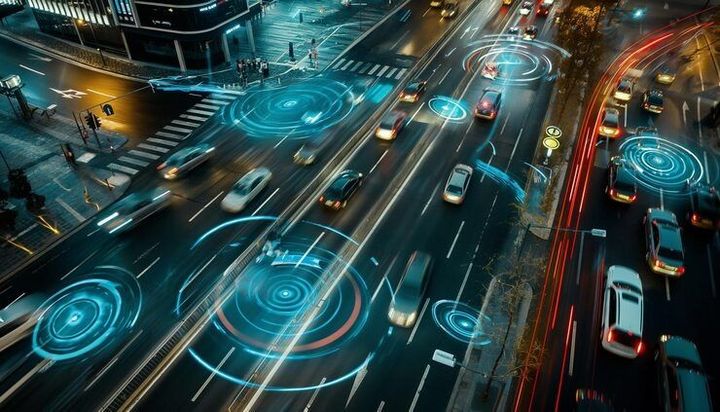
Smart Traffic Control Systems Explained: Components, Technologies, Applications and Benefits
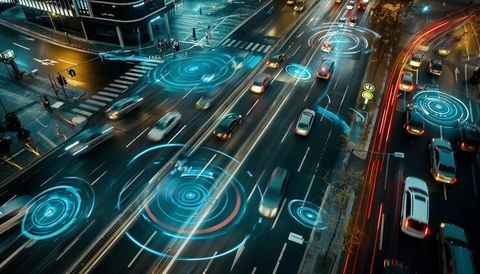
Smart traffic control systems are technology-based systems designed to monitor road conditions, manage traffic signals, detect incidents, and provide useful information to road users. They combine traffic signals, cameras, sensors, communication networks, software, and data analysis to help traffic authorities understand what is happening on roads and adjust traffic operations when conditions change.
Traditional traffic signals generally follow fixed timing plans. For example, a signal may remain green for a set number of seconds even when very few vehicles are waiting on one approach. Smart traffic control systems can use information from cameras, vehicle detectors, and other sensors to identify changes in traffic flow and adjust signal timing.
The development of these systems is connected with the growth of cities, increasing vehicle movement, and the need to manage complex road networks. Intelligent Transport Systems, commonly called ITS, bring information and communication technologies into transportation. In India, ITS applications include urban traffic control, traffic monitoring, red-light violation detection, vehicle tracking, and smart parking.
A smart traffic system does not consist of one device. It is usually a combination of several technologies working together. A traffic management centre may collect information from many intersections, process it through software, and provide instructions or information to roadside equipment.
Importance
Managing changing traffic conditions
Traffic conditions can change within minutes because of school traffic, road construction, weather, accidents, public events, or changes in travel patterns. Fixed signal plans may not respond quickly to these changes.
Adaptive traffic control can use information about vehicle volumes and queues to adjust signal timing. This can help traffic managers respond to changing conditions rather than relying entirely on predetermined schedules.
Supporting road safety
Smart traffic control systems can support road safety through cameras, speed monitoring, red-light detection, incident detection, and warning systems. These technologies can help authorities identify specific traffic events and provide information for appropriate responses.
Pedestrians can also benefit from technologies such as pedestrian detection, pedestrian crossing signals, accessible crossing controls, and systems that provide additional crossing time when appropriate.
Improving traffic coordination
A single intersection is only one part of a wider road network. When nearby signals operate independently, vehicles may encounter repeated stops even when traffic is moving in the same direction.
Traffic management software can coordinate multiple intersections. This allows signal timing to be considered across a corridor or group of intersections instead of looking at each junction separately.
Supporting everyday road users
Smart traffic systems affect drivers, pedestrians, cyclists, public transport users, and emergency responders. Real-time information can communicate congestion, incidents, road restrictions, weather conditions, or other changes that may affect travel.
The main challenges addressed by these systems include unpredictable traffic flow, inefficient signal coordination, delayed incident detection, traffic violations, and limited visibility into conditions across large road networks.
Components and Technologies
Traffic sensors and detectors
Sensors provide information about traffic conditions. Depending on the system, they may detect vehicles, estimate traffic volume, identify queues, or monitor movement through an intersection.
Common technologies include:
- Inductive loop detectors installed in the road
- Video cameras using computer vision
- Radar or microwave detectors
- Infrared detection equipment
- Pedestrian detection systems
- Automatic vehicle identification technologies
Different detection methods have different operating characteristics. Weather, road design, installation quality, lighting, and traffic composition can affect the information collected.
Smart traffic signals
Smart traffic signals are connected to controllers that can modify signal timing according to programmed rules and incoming traffic information. An adaptive traffic signal system can respond to changing traffic patterns instead of depending only on a fixed schedule.
The controller may consider factors such as traffic volume, queue length, time of day, pedestrian activity, and coordination with nearby intersections.
Cameras and video analytics
Cameras provide visual information about road conditions. Modern systems can use software to analyze video and identify events such as stopped vehicles, unusual traffic movement, congestion, or possible incidents.
Automatic Number Plate Recognition, commonly called ANPR, can also be used for vehicle identification in situations where it is authorized under applicable rules.
Traffic Management Centres
A Traffic Management Centre brings information from different road locations into a central environment. Operators can monitor traffic conditions, review incidents, communicate with roadside equipment, and coordinate responses.
Some systems connect Traffic Management Centres with integrated command and control centres that combine information from transportation and other urban systems.
Communication networks
Smart traffic equipment needs communication links to exchange information. Depending on the location and system design, communication may use fibre networks, wireless networks, cellular connectivity, or other dedicated communication technologies.
Reliable communication is important because delays or interruptions can affect monitoring and coordinated traffic control.
Data processing and analytics
Traffic data becomes more useful when software can organize and analyze it. Analytics can identify recurring congestion patterns, compare traffic conditions, detect unusual events, and support decisions about signal timing.
Artificial intelligence and machine learning can also be used for video analysis, traffic prediction, and incident detection. These applications depend on the quality and quantity of available data.
Applications
Smart traffic control systems can be used in different transportation environments.
| Application | Main purpose | Typical technologies |
|---|---|---|
| Adaptive signals | Adjust signal timing | Sensors, controllers, cameras |
| Incident detection | Identify unusual road events | Cameras, analytics, sensors |
| Red-light monitoring | Detect signal violations | Cameras, signal controllers |
| Speed monitoring | Record speed-related events | Cameras, radar |
| Traffic monitoring | Understand traffic flow | Cameras, detectors, analytics |
| Variable message signs | Display road information | Digital signs, communication networks |
| Smart parking | Monitor parking availability | Sensors, cameras, software |
| Emergency priority | Coordinate selected emergency movements | Signal controllers, vehicle communication |
| Public transport coordination | Support bus and transit movement | Vehicle tracking, traffic signals |
| Corridor management | Coordinate several intersections | Central software, communication networks |
Urban intersections
Intersections are common locations for smart traffic technologies because delays often develop when traffic volumes change between different approaches. Adaptive signal systems can adjust green times according to detected conditions.
Highways and expressways
Advanced Traffic Management Systems can combine cameras, variable message signs, incident detection, vehicle information, and communication equipment on high-speed road corridors.
These systems can help authorities monitor road conditions and communicate warnings to drivers. In India, government plans have included phased deployment of Advanced Traffic Management Systems on highways and expressways.
Emergency movement
Some traffic control systems can support emergency vehicle priority. When authorized equipment identifies an emergency vehicle, the system may coordinate selected signals according to predefined rules.
Such systems require careful design because changing one signal can affect traffic at nearby intersections.
Parking management
Smart parking systems can use sensors, cameras, or other detection methods to identify parking availability. Information can then be presented through digital signs or connected applications where such systems are available.
Public transport
Traffic control systems can be connected with vehicle tracking and public transport information. This can help traffic managers understand the location and movement of buses or other transit vehicles.
Recent Updates
From 2024 through 2026, intelligent transportation technology in India has continued moving toward greater use of automated monitoring, electronic enforcement, Advanced Traffic Management Systems, and integrated traffic information.
Government information published during this period describes ATMS deployments and planned projects on several major highway corridors. The technologies mentioned include AI-based video incident detection, ANPR cameras, pan-tilt-zoom cameras, surveillance cameras, and variable message signs.
Another developing area is the connection between ITS and Vehicle-to-Everything, or V2X, communication. V2X allows vehicles and transportation infrastructure to exchange information through suitable communication systems. Its potential applications include traffic awareness, safety warnings, signal coordination, and other transportation functions.
Urban traffic management is also becoming more integrated with command and control centres. Smart Cities Mission projects have included Intelligent Traffic Management Systems, surveillance equipment, traffic enforcement technologies, and mobility-related systems.
At the technology level, adaptive traffic control is becoming more data-driven. Instead of simply changing signal timings according to a fixed timetable, systems can use detected traffic conditions and software-based calculations to determine how signals should respond.
However, technology alone does not eliminate traffic congestion. Road design, public transport, pedestrian movement, construction, driving behaviour, weather, and land-use patterns all influence traffic conditions.
Laws or Policies
Motor Vehicles legislation
In India, traffic control and road-use rules operate within the framework of the Motor Vehicles Act, 1988 and related rules. The Act includes provisions concerning traffic signs, speed limits, driving regulations, and the duty to obey traffic signs.
The Motor Vehicles (Amendment) Act, 2019 also provided a legal basis for electronic monitoring and enforcement of road safety. Rules issued subsequently addressed electronic enforcement devices on specified high-risk and high-density corridors and at certain critical locations.
Electronic monitoring
Electronic monitoring can involve technologies such as speed cameras, closed-circuit television cameras, speed detection equipment, dashboard cameras, ANPR systems, and weighing equipment. The specific use of these technologies depends on applicable central and state rules and the authority responsible for the road.
Advanced Traffic Management Systems
MoRTH has described Advanced Traffic Management Systems as part of India's approach to Intelligent Transport Systems on highways and expressways. ATMS can include cameras, incident detection, variable message signs, and other equipment used for monitoring and traffic management.
The policy direction has increasingly focused on combining road infrastructure with digital monitoring and communication technologies.
State and city responsibilities
Traffic management is not controlled by a single authority across India. Central government agencies, state governments, transport departments, traffic police, municipal bodies, and other authorities can have different responsibilities depending on the road and location.
For this reason, the exact operation of cameras, signal systems, enforcement procedures, data handling, and penalties can vary between jurisdictions.
Tools and Resources
Several resources can help readers understand smart traffic control systems and related transportation technologies.
- India Code: Provides access to central legislation, including the Motor Vehicles Act and related legal information.
- Ministry of Road Transport and Highways: Provides government information about road transportation, highway programs, safety initiatives, and Intelligent Transport Systems.
- C-DAC Intelligent Transport Systems resources: Explain technologies such as urban traffic control, adaptive traffic control, traffic monitoring, and red-light violation identification.
- Government traffic information portals: Depending on the city or state, these may provide information about traffic conditions, electronic enforcement, or road-related announcements.
- Traffic Management Centre dashboards: Where publicly available, these systems can provide information about traffic conditions and transportation operations.
- GIS and mapping platforms: Geographic information systems can help visualize road networks, intersections, traffic corridors, and transportation infrastructure.
The usefulness of each resource depends on the city, road authority, and type of information being studied. Official government sources are particularly relevant when researching legal requirements or public transportation programs.
FAQs
What are smart traffic control systems?
Smart traffic control systems use sensors, cameras, communication networks, software, and traffic signals to monitor and manage road conditions. They can respond to changing traffic patterns and provide information to traffic authorities and road users.
How do adaptive traffic signal systems work?
Adaptive traffic signal systems collect information about traffic conditions through detectors or cameras. Software processes that information and can adjust signal timings according to programmed traffic-control strategies.
What technologies are used in smart traffic control systems?
Common technologies include traffic sensors, cameras, radar, adaptive signal controllers, ANPR, video analytics, communication networks, variable message signs, GIS, and Traffic Management Centre software.
What are the benefits of smart traffic control systems?
Smart traffic control systems can help authorities monitor traffic, coordinate intersections, identify incidents, support electronic enforcement, communicate road information, and manage changing traffic conditions.
Are smart traffic control systems regulated in India?
Yes. Their operation can be affected by the Motor Vehicles Act, related central rules, state regulations, traffic authorities, data-related requirements, and local government procedures. Specific requirements can differ according to the location and technology being used.
Conclusion
Smart traffic control systems combine traffic signals, sensors, cameras, communication networks, and data analysis to manage changing road conditions. Their applications include adaptive signals, incident detection, electronic enforcement, highway monitoring, parking management, and transportation coordination. In India, Intelligent Transport Systems and Advanced Traffic Management Systems are becoming increasingly connected with digital monitoring and integrated transportation infrastructure. Their effectiveness depends on appropriate technology, reliable data, suitable road design, clear operating rules, and coordination between responsible authorities.