Mobile Payment Trends Guide: Digital Wallets, Contactless Payments, QR Codes and Key Features
Mobile payment trends describe how people use smartphones, digital wallets, contactless technology, and QR codes to make electronic payments. These methods have developed alongside online banking, mobile internet access, and secure payment technologies. They allow people to transfer money or pay for purchases without relying entirely on physical cash.
Context
Mobile payment trends describe how people use smartphones, digital wallets, contactless technology, and QR codes to make electronic payments. These methods have developed alongside online banking, mobile internet access, and secure payment technologies. They allow people to transfer money or pay for purchases without relying entirely on physical cash.
Mobile payments have evolved from basic mobile banking and text-based transactions into systems that support in-store purchases, online shopping, bill payments, and person-to-person transfers. Digital wallets can store payment card details or connect to bank accounts, while QR codes and contactless payments provide different ways to initiate a transaction.
Today, mobile payment technology is used by individuals, retailers, restaurants, transport operators, and online businesses. The exact features depend on the country, financial institution, payment network, and application being used.
Understanding Digital Wallets and Mobile Payments
A mobile payment is a transaction initiated or completed through a mobile device. A digital wallet is an application or electronic system that stores payment credentials or provides access to payment methods.
Common mobile payment methods include:
Digital wallets: Applications that store eligible card details or connect to supported payment accounts.
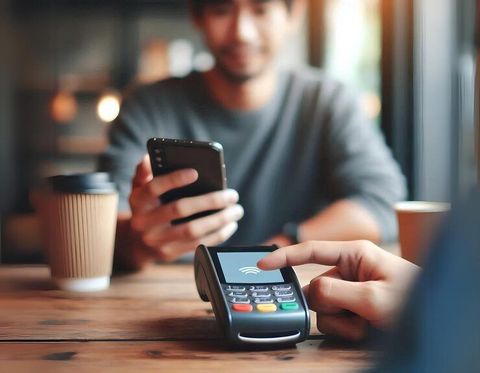
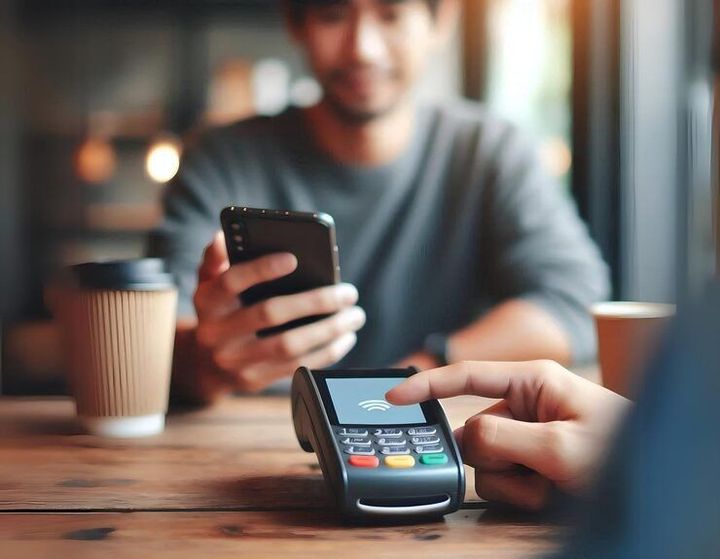
Contactless payments: Transactions completed by tapping a compatible phone or payment card near a supported terminal.
QR code payments: Transactions initiated by scanning a code containing payment information.
Mobile banking transfers: Payments sent through a bank's mobile application.
Peer-to-peer payments: Electronic transfers between individuals using supported payment platforms.
These methods may use different technologies, but they share a common purpose: enabling electronic transactions through connected devices or digital payment systems.
Importance
Mobile payment trends matter because they influence how people manage everyday transactions, from purchasing groceries to paying household bills. Digital payments can reduce the need to carry cash and make transaction records easier to access. They also support remote payments, online purchases, and electronic transfers between individuals.
For retailers and small businesses, mobile payments can provide additional ways to accept customer payments. However, adoption also creates challenges involving device compatibility, internet access, transaction errors, privacy, fraud prevention, and digital literacy.
Key Benefits and Practical Challenges
Mobile payments can provide several practical advantages. Electronic transaction histories help users review spending, while payment notifications can make it easier to identify unfamiliar activity. Contactless technology can also simplify checkout when the terminal, device, and payment method are compatible.
Important limitations include:
Technology access: Some transactions require a compatible smartphone, payment application, or internet connection.
Security risks: Stolen devices, phishing messages, fraudulent QR codes, and compromised accounts can expose users to financial harm.
Privacy concerns: Payment applications may process personal and transaction information.
Transaction errors: Incorrect recipient details, network interruptions, or processing delays can affect payments.
Acceptance differences: Not every retailer, bank, or country supports every payment method.
Mobile payment systems are therefore most useful when users understand how transactions work, what information is shared, and how to respond when a payment fails or appears suspicious.
Comparing Mobile Payment Methods
| Payment method | How it works | Main consideration |
|---|---|---|
| Digital wallet | Uses stored credentials or linked accounts | Device and platform compatibility |
| Contactless payment | Uses near-field communication or supported card technology | Compatible terminal and payment method |
| QR code payment | Scans a code to initiate a transaction | Confirm recipient and amount |
| Mobile banking | Uses a bank application to transfer money | Bank limits and authentication |
| Peer-to-peer payment | Transfers funds between individuals | Recipient verification and transfer rules |
The availability of payment methods varies across countries and financial institutions. A transaction may also involve different processing arrangements depending on whether the user pays a merchant, transfers money to another person, or purchases something online.
Recent Updates
From 2024 through 2026, mobile payment development has continued to focus on digital wallet integration, contactless transactions, QR-based payments, stronger authentication, and closer connections between payment applications and financial accounts. Adoption patterns differ by country, and individual payment systems do not necessarily support every feature.
Digital Wallets and Contactless Technology
Digital wallets increasingly combine payment credentials with features such as transaction notifications, digital receipts, loyalty information, and account management. Some systems use tokenization, which replaces sensitive card details with a substitute value for supported transactions. This can reduce the exposure of the original card number during payment processing, although it does not eliminate every security risk.
Contactless payments have also become an established option in many retail environments. Compatible smartphones can use near-field communication (NFC) to communicate with a payment terminal over a short distance. Authentication requirements vary by device, transaction type, payment provider, and local rules.
QR Payments and Faster Transfers
QR code payments remain important in markets where merchants and consumers use mobile applications for everyday transactions. They can support payments at physical shops, restaurants, transport locations, and online checkout pages. Users should distinguish between a code that requests money and one intended to send money, because the actions and risks may differ.
Real-time and faster payment systems have also influenced mobile transactions. In India, the Unified Payments Interface (UPI) supports transfers between participating bank accounts through compatible applications. Features and transaction limits depend on the relevant payment rules, participating institutions, and transaction category.
Artificial Intelligence and Payment Security
Financial institutions and payment providers use automated systems to identify unusual transaction patterns and potential fraud. Some systems apply machine learning to assess activity, prioritize alerts, or support risk management. These systems may produce incorrect alerts and cannot identify every fraudulent transaction.
Biometric authentication, such as fingerprint or facial recognition, is available on some devices and payment platforms. It can help verify a user's identity, but device security, account protection, and careful handling of payment requests remain important.
Laws or Policies
Mobile payments operate within financial regulations, data-protection requirements, consumer-protection rules, and payment-network standards. The applicable requirements depend on the country, the type of transaction, and the institutions involved.
Mobile Payment Regulations in India
In India, the Reserve Bank of India (RBI) regulates relevant banking and payment activities under applicable laws and regulatory directions. The National Payments Corporation of India (NPCI) operates and manages several retail payment systems, including UPI, under the relevant regulatory framework.
Payment applications and participating banks must follow applicable requirements concerning authentication, transaction processing, risk management, and customer protection. UPI transactions generally require users to follow the authentication process applicable to their payment method. A UPI PIN should not be disclosed to another person, and entering a PIN to approve a payment is different from entering one to receive money.
Data Protection and Consumer Rights
Mobile payment applications may collect account information, device details, contact information, and transaction records. India's Digital Personal Data Protection Act, 2023, together with applicable rules and commencement arrangements, forms part of the country's developing data-protection framework. The provisions applicable to a particular organization or transaction depend on the law in force and the circumstances.
Consumers should also understand the procedures for reporting unauthorized transactions, disputing incorrect payments, and raising complaints with their bank or payment provider. Reporting deadlines and possible remedies vary by payment type and the applicable rules.
Safe Payment Practices
Practical safeguards include:
Use a device lock and keep the operating system and payment applications updated.
Verify the recipient's name and transaction amount before authorizing a transfer.
Avoid scanning unfamiliar QR codes without checking their purpose.
Never disclose a PIN, password, or one-time password to someone requesting it.
Contact the bank promptly if a transaction appears unauthorized.
Use official banking channels to report suspected fraud.
These measures can reduce common risks, but no payment method is entirely free from fraud or technical problems.
Tools and Resources
Several digital resources help people understand mobile payment methods, review transactions, and manage payment security. Their availability and features depend on the user's bank, device, location, and account eligibility.
Payment Applications and Official Resources
In India, BHIM and participating UPI applications support eligible digital payment transactions. Banking applications also allow customers to review account activity, manage certain payment settings, and access complaint procedures. Google Wallet and Apple Pay support different payment features in eligible markets, subject to device, bank, and regional compatibility.
The RBI website provides information about payment regulations, consumer awareness, and complaint mechanisms. NPCI publishes information about UPI, participating payment systems, and relevant transaction procedures. These official sources can help clarify rules that may not be explained fully within a payment application.
Budgeting and Transaction Management Tools
Spending trackers and spreadsheet templates can help users organize monthly transactions by category, such as groceries, transport, bills, and household purchases. Bank statements and digital receipts can be used to compare recorded payments with personal spending records.
A basic transaction tracker may include the transaction date, recipient, amount, payment method, status, and reference number. Sensitive details such as PINs, passwords, and full authentication credentials should never be stored in an ordinary spreadsheet.
Choosing a Suitable Payment Method
The appropriate payment method depends on the transaction, available technology, and individual circumstances. A digital wallet may suit compatible in-store purchases, while mobile banking may be more appropriate for certain account transfers. QR payments can be practical for participating merchants, provided the recipient and payment request are verified.
Users should review transaction limits, applicable charges, refund procedures, and account recovery options before relying on a particular system. Payment confirmation messages should also be checked against the transaction history when an error or delay occurs.
FAQs
What are the main mobile payment trends?
Major trends include digital wallet adoption, contactless payments, QR code transactions, faster bank transfers, biometric authentication, and automated fraud monitoring. The availability of each feature varies by market and provider.
How do digital wallets and contactless payments work?
Digital wallets store payment credentials or connect to supported accounts. Contactless payments use compatible technology, such as NFC, to exchange transaction information with a payment terminal over a short distance.
Are QR code payments safe to use?
QR code payments can be used securely when the code and recipient are legitimate. Users should verify the recipient and amount before authorization and avoid entering confidential details on unfamiliar websites.
What is the role of UPI in India's mobile payment trends?
UPI enables participating banks and compatible applications to facilitate account-to-account payments. Its features, transaction limits, and authentication requirements depend on applicable rules and the type of transaction.
What should someone do after an unauthorized mobile payment?
The person should contact their bank or payment provider promptly through official channels, report the transaction, and follow the applicable dispute procedure. Relevant transaction references and supporting records should be retained.
Conclusion
Mobile payment trends reflect the growing use of digital wallets, contactless technology, QR codes, and electronic bank transfers. These methods can make everyday transactions more convenient while introducing concerns about fraud, privacy, compatibility, and payment errors. Regulations and consumer-protection procedures help shape how payment systems operate in India. Understanding the technology, verifying transaction details, and using appropriate security measures are important parts of informed digital payment use.