Smart Factory Equipment Guide: Technologies, Functions, Automation and Manufacturing Uses
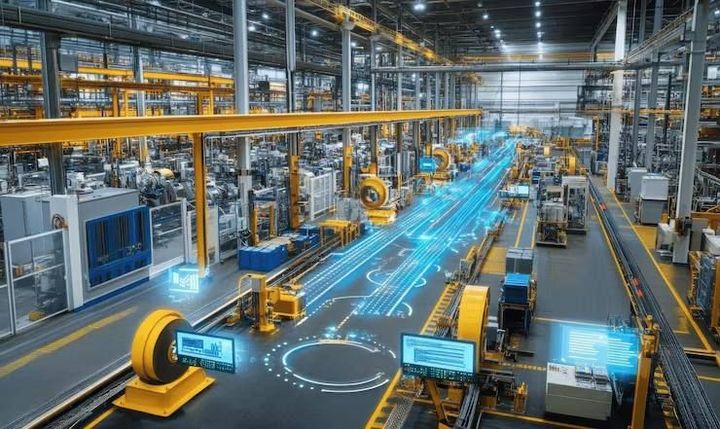
Smart factory equipment refers to machines, sensors, control systems, software, and communication technologies that work together to support connected manufacturing. Traditional factories often relied on individual machines and manual checks. Smart manufacturing connects production equipment with data systems so that information about machine status, production activity, quality, energy use, and material movement can be monitored more systematically.
Context
Smart factory equipment refers to machines, sensors, control systems, software, and communication technologies that work together to support connected manufacturing. Traditional factories often relied on individual machines and manual checks. Smart manufacturing connects production equipment with data systems so that information about machine status, production activity, quality, energy use, and material movement can be monitored more systematically.
The idea developed from industrial automation, programmable controls, computer-based production systems, and industrial networking. As computing and sensor technology became more accessible, manufacturers began connecting equipment instead of treating every machine as an isolated unit. This approach is also associated with Industry 4.0, a term used for connected and data-driven manufacturing.
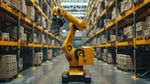
Smart factory equipment can include robotic systems, programmable logic controllers, industrial sensors, machine vision cameras, automated guided vehicles, industrial computers, robotic arms, digital monitoring platforms, and manufacturing execution systems. Each component can have a specific role, while communication between components creates a more coordinated production environment.
How smart factory systems work
A typical smart factory begins with physical equipment performing manufacturing tasks. Sensors collect information such as temperature, vibration, pressure, speed, position, or electrical conditions. Controllers process signals and can adjust equipment according to programmed instructions.
The collected information can then move through industrial networks to monitoring or analysis platforms. A production team can use dashboards and reports to understand equipment conditions, production flow, and process changes without relying entirely on manual records.
Importance
Smart factory equipment matters because modern manufacturing involves many connected processes. A change in one machine can affect material movement, production timing, quality checks, energy consumption, and downstream operations. Connected systems can make these relationships easier to observe.
The technology also addresses several practical factory challenges. These include unexpected equipment interruptions, manual data entry, repeated quality checks, inefficient material movement, and limited visibility into production conditions.
Common functions include:
- Monitoring machine temperature, vibration, pressure, speed, and operating status.
- Collecting production information from machines and sensors.
- Controlling equipment through programmable logic controllers.
- Moving materials with automated guided vehicles or autonomous mobile robots.
- Checking products with machine vision systems.
- Tracking production stages through manufacturing software.
- Recording energy and resource use for process analysis.
Main equipment categories
| Equipment category | Main function | Typical use |
|---|---|---|
| Industrial sensors | Detect physical conditions | Temperature, pressure, vibration |
| PLCs | Control machine sequences | Automated production lines |
| Industrial robots | Perform repeatable movements | Welding, assembly, handling |
| Machine vision | Inspect images and objects | Quality checking |
| AGVs and AMRs | Move materials | Internal factory logistics |
| Industrial computers | Process and display data | Monitoring and control |
| MES platforms | Track production activity | Work-in-process visibility |
| Industrial networks | Connect devices | Machine-to-system communication |
Recent Updates
Smart factory development continues to move toward greater connectivity, data analysis, and flexible automation. A major trend from 2024 through 2026 has been the wider use of industrial artificial intelligence for analyzing machine and production data. AI-based systems can help identify unusual patterns, classify visual information, and support process analysis when appropriate data is available.
Edge computing is another important development. Instead of sending every piece of machine data to a distant system, some processing can occur close to the equipment. This can reduce communication delays and allow selected control or monitoring tasks to operate with less dependence on a central system.
Digital twins have also become more relevant in smart manufacturing. A digital twin is a computer-based representation of a physical machine, production line, or process. It can combine operational data with engineering information to support simulation, monitoring, and process analysis.
Industrial cybersecurity has received greater attention as more machines become connected to factory networks. Modern systems increasingly use network segmentation, access controls, identity management, monitoring, secure remote access, and software-update practices to reduce cyber risk.
Another trend is the combination of automation with flexible production. Robots, vision systems, modular equipment, and software-controlled machines can be configured for different products or production sequences. This is useful in environments where product variations or production requirements change frequently.
Laws or Policies
In India, smart factory equipment operates within a broader framework of industrial safety, electrical safety, environmental requirements, data protection, and cybersecurity rules. The exact requirements depend on the industry, equipment type, factory location, and nature of the manufacturing process.
The Occupational Safety, Health and Working Conditions Code, 2020 provides a consolidated framework covering workplace safety and working conditions. Its practical application depends on the applicable legal and administrative framework in force for the relevant facility.
The Factories Act, 1948 and related state-level factory rules have historically provided requirements concerning factory safety, machinery, working conditions, and worker protection. Manufacturers should determine which provisions apply to their facility based on the current legal framework and implementation status.
Electrical equipment may also be subject to applicable Indian electrical safety requirements and technical standards. The Bureau of Indian Standards develops standards for many products and industrial technologies, while sector-specific rules can apply to particular equipment.
Cybersecurity is increasingly relevant to connected manufacturing. The Indian Computer Emergency Response Team, or CERT-In, publishes directions and cybersecurity guidance applicable to covered entities. Factories using connected industrial systems should consider applicable requirements for incident reporting, logging, access management, and network security.
Environmental rules can also affect manufacturing equipment. Depending on the process, facilities may need to address emissions, wastewater, hazardous materials, noise, waste handling, and energy-related requirements. Regulatory obligations can differ by industry and location, so general information should not be treated as legal advice.
Tools and Resources
Several types of tools help people understand, design, monitor, and maintain smart factory systems. The appropriate combination depends on the production process and the level of automation.
Industrial automation software can be used for PLC programming, human-machine interfaces, supervisory control, and equipment configuration. Manufacturing execution systems can organize information about production orders, process stages, quality records, and material movement.
Data dashboards can bring information from different machines into a more readable format. Common measurements include production quantity, machine operating time, downtime, cycle time, energy consumption, temperature, pressure, and equipment alarms.
Simulation and digital-twin platforms can model production processes before physical changes are made. They can help engineers examine machine interactions, material movement, production sequences, and possible bottlenecks.
Cybersecurity resources can help factories assess network architecture, device access, software updates, and incident response procedures. Guidance from CERT-In, the Ministry of Electronics and Information Technology, the Bureau of Indian Standards, and relevant industrial standards organizations can provide useful reference material.
Useful resource types include:
- PLC and industrial-control documentation for equipment configuration.
- Machine manuals and technical specifications for operating limits.
- Factory layout drawings for equipment placement and material flow.
- Energy-monitoring dashboards for resource analysis.
- Maintenance logs for identifying recurring equipment patterns.
- Cybersecurity checklists for connected industrial networks.
- Government portals and standards databases for regulatory information.
FAQs
What is smart factory equipment?
Smart factory equipment includes connected machines, sensors, controllers, robots, software, and communication systems used in modern manufacturing. These components collect and exchange information to support monitoring, automation, quality control, and production coordination.
How does smart manufacturing automation work?
Smart manufacturing automation combines sensors, programmable controllers, machines, robots, and software. Sensors detect operating conditions, controllers execute programmed instructions, and connected systems can record or analyze production information.
What equipment is used in a smart factory?
Common examples include PLCs, industrial robots, machine vision systems, sensors, industrial computers, automated guided vehicles, autonomous mobile robots, network equipment, and manufacturing execution systems. The exact combination depends on the factory process.
Why are industrial sensors important in smart factory equipment?
Industrial sensors provide information about physical conditions such as temperature, pressure, vibration, position, speed, and electrical activity. This information can support machine control, monitoring, quality checks, and process analysis.
How does industrial cybersecurity affect smart factories?
Connected manufacturing equipment can create additional digital entry points into factory networks. Cybersecurity measures such as access controls, network separation, monitoring, secure configuration, and timely software updates can help manage these risks.
Conclusion
Smart factory equipment combines physical machines with sensors, controllers, communication networks, software, and data systems. The approach has developed from industrial automation into a more connected form of manufacturing that supports monitoring, coordination, quality processes, material movement, and process analysis. Recent developments include industrial AI, edge computing, digital twins, flexible automation, and greater attention to cybersecurity. Regulations and technical requirements vary according to the equipment, industry, facility, and location.

You May Also Like