Smart Energy Devices Guide: Technologies, Functions, Applications, Benefits and Key Features
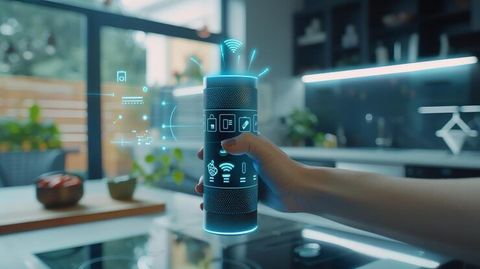
Smart energy devices are electronic systems that measure, monitor, control, or optimize the use of electricity and other forms of energy. A smart energy devices guide commonly covers technologies such as smart meters, energy monitors, smart plugs, connected thermostats, intelligent lighting controls, solar monitoring systems, battery management systems, and automated energy controllers.
These technologies developed from the broader growth of digital electronics, sensors, communication networks, and data analysis. Traditional electrical equipment generally performs a specific physical function, while connected devices can also collect information and communicate that information to another device, application, or energy management platform.
A smart meter is one familiar example. It records electricity consumption electronically and can communicate meter information to an authorized electricity distribution system. Other devices can measure the electricity used by individual appliances, monitor solar generation, or adjust equipment according to programmed settings.
The basic idea behind smart energy technology is to make energy information easier to observe and use. Instead of relying only on periodic meter readings, users can receive more detailed information about consumption patterns, equipment operation, and energy generation.
How smart energy technology developed
The development of smart energy devices is connected with several technology areas. Sensors made it easier to measure temperature, current, voltage, motion, and other conditions. Wireless communication allowed devices to exchange information, while cloud platforms and local software made it possible to analyze larger amounts of data.
Artificial intelligence and machine learning are also being explored for energy data analysis. In India's electricity distribution sector, the Ministry of Power has described the use of advanced technologies for analyzing smart-meter data and supporting areas such as loss reduction, forecasting, and asset management.
Importance
Energy use affects households, offices, factories, public buildings, and electricity distribution networks. Without detailed information, it can be difficult to understand when electricity is being consumed, which equipment is using the most power, or how generation from sources such as rooftop solar changes throughout the day.
Smart energy devices can address some of these information and control challenges. Their functions vary by device, but common purposes include measuring energy use, identifying consumption patterns, controlling equipment, monitoring renewable generation, and providing data for energy planning.
Everyday applications
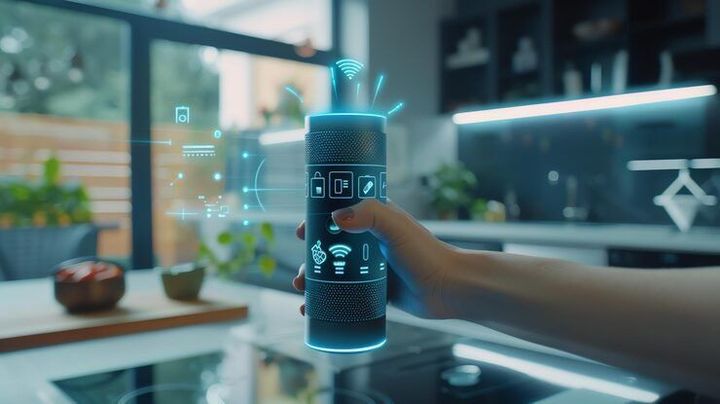
In homes, smart energy technology can be used with lighting, heating and cooling equipment, appliances, electric vehicles, solar systems, and batteries. A smart plug, for example, can measure electricity used by a connected appliance and may allow scheduled operation.
In commercial buildings, energy monitoring systems can collect information from multiple areas. Building managers can examine patterns related to lighting, cooling, ventilation, and other electrical loads.
Industrial facilities may use more advanced systems that connect meters, sensors, motors, production equipment, and control platforms. These systems can help operators understand how energy is associated with different processes.
Common benefits
The benefits of smart energy devices depend on the technology, installation, communication system, and way the collected information is used. Common benefits include:
- More detailed visibility into electricity consumption
- Automated monitoring of selected equipment
- Remote access to energy information
- Identification of unusual consumption patterns
- Monitoring of solar generation and battery activity
- Scheduling of selected electrical loads
- Support for energy planning and analysis
- Integration with building or home automation systems
Smart technology does not automatically reduce energy use. Its practical value depends on accurate measurements, suitable settings, reliable communication, and appropriate user or system decisions.
Recent Updates
The smart energy sector has continued to develop through greater use of connected meters, data analytics, renewable-energy monitoring, and digital control systems. In India, the Revamped Distribution Sector Scheme has supported smart metering as part of broader electricity distribution modernization.
Government information published during 2025 and 2026 shows continued implementation of smart metering under the scheme, including consumer meters, distribution-transformer meters, and feeder meters. A parliamentary document published in 2026 reported state-wise progress in installations under the scheme through February 2026.
Another development is the increasing use of data analytics. The Ministry of Power's 2025–26 annual report describes work involving artificial intelligence, machine learning, and other digital technologies for analyzing smart-meter information and supporting distribution operations.
Renewable energy integration
Smart energy devices are also becoming more relevant as solar generation and other distributed energy resources become more common. Monitoring equipment can record electricity generated by rooftop solar systems, while smart meters can support measurement and accounting between consumers and the electricity network.
India's Grid Connected Rooftop Solar Programme has supported the expansion of rooftop solar and includes a national portal and state-level processes for eligible residential consumers. The existing Phase-II scheme is listed by the Ministry of New and Renewable Energy through March 2026.
Data and automation
Modern systems increasingly combine sensors, meters, communication networks, and software. Instead of looking only at a single electricity reading, an energy management platform can examine information over time.
This trend can support applications such as load forecasting, equipment monitoring, automated controls, and renewable-energy integration. However, data quality, communication reliability, cybersecurity, and compatibility between different devices remain important considerations.
Laws or Policies
Smart energy devices in India operate within a wider framework of electricity laws, technical standards, metering regulations, energy-efficiency programs, and government schemes. Requirements can differ according to the device, installation type, electricity connection, and state or distribution utility.
The Central Electricity Authority maintains regulations covering the installation and operation of electricity meters. Its regulations archive currently includes a 2026 amendment to the Central Electricity Authority regulations concerning meter installation and operation.
Metering rules are relevant because smart meters need to operate within technical and electrical requirements. The Central Electricity Authority also publishes technical material concerning smart meters, advanced metering infrastructure, interoperability, and distribution technology.
Electricity distribution programs
The Revamped Distribution Sector Scheme is an important government program connected with smart metering and modernization of electricity distribution. Government documents describe smart metering as part of efforts involving improved billing information, electricity accounting, load forecasting, and renewable-energy integration.
Cybersecurity is another policy area. The Central Electricity Authority has published draft and regulatory material relating to cybersecurity in the power sector, reflecting the increasing importance of protecting connected electricity infrastructure.
Because electricity regulation can change, users should refer to the relevant central authority, state electricity regulator, and local distribution utility for current requirements rather than relying on older technical information.
Tools and Resources
Several types of tools can help people understand and monitor energy use. The appropriate tool depends on whether the goal is household monitoring, renewable-energy tracking, building management, or electricity distribution analysis.
Energy monitoring tools
Common tools include smart meters, plug-in energy monitors, smart plugs, power-quality meters, and mobile dashboards. These can provide information such as electricity consumption, operating periods, voltage, current, or other measurements depending on the device.
Energy calculators can also estimate electricity use from appliance power ratings and operating hours. A basic calculation is:
Energy consumed = Power × Operating time
For example, an appliance rated at 1,000 watts operating for two hours uses approximately 2 kilowatt-hours of electrical energy, assuming continuous operation at its rated power.
Government resources
For Indian readers, government resources can provide information about electricity policy, energy efficiency, renewable energy, and smart metering. Useful sources include the Ministry of Power, Central Electricity Authority, Bureau of Energy Efficiency, Ministry of New and Renewable Energy, and the national rooftop solar portal.
The Ministry of Power's RDSS dashboard provides information related to smart-metering implementation, while the Central Electricity Authority maintains technical and regulatory material covering metering and distribution technologies.
Smart energy device comparison
| Device | Main function | Typical application | Information provided |
|---|---|---|---|
| Smart meter | Measures electricity use | Homes and buildings | Consumption and meter data |
| Smart plug | Monitors or controls connected loads | Individual appliances | Usage and operating status |
| Energy monitor | Tracks electrical consumption | Homes and offices | Power and energy readings |
| Solar monitoring system | Tracks solar generation | Rooftop solar | Generation and system data |
| Battery management system | Monitors battery operation | Energy storage | Battery condition and electrical data |
| Smart thermostat | Controls temperature-related equipment | Buildings | Temperature and operating information |
| Energy management platform | Combines energy information | Buildings and facilities | Trends, alerts, and analysis |
FAQs
What are smart energy devices?
Smart energy devices are connected or electronically controlled technologies that measure, monitor, manage, or analyze energy use. Examples include smart meters, energy monitors, smart plugs, solar monitoring systems, and battery management systems.
How do smart energy devices work?
Smart energy devices use sensors, electronic measurement components, communication systems, and software. Depending on the device, information can be processed locally or transmitted to an application or energy management platform.
What are the main benefits of smart energy devices?
The main benefits include better visibility into energy consumption, automated monitoring, equipment control, and access to more detailed energy information. Actual results vary according to the device, installation, settings, and operating conditions.
Are smart energy devices useful with solar power?
Yes. Smart energy devices can monitor electricity generated by solar systems, track household or building consumption, and provide information about energy flowing between generation, storage, loads, and the electricity network.
Do smart meters work differently from traditional meters?
Smart meters use electronic measurement and communication capabilities. Depending on the system, they can provide more detailed meter information to authorized electricity distribution systems than conventional meters.
Conclusion
Smart energy devices combine measurement, communication, automation, and data analysis to provide more detailed information about energy use. Applications range from household appliances and smart meters to solar monitoring, battery systems, commercial buildings, and industrial facilities. In India, smart metering, renewable-energy integration, digital analytics, and related electricity regulations are continuing to shape the technology landscape. The usefulness of each device depends on its technical features, installation, communication method, and how its information is interpreted.