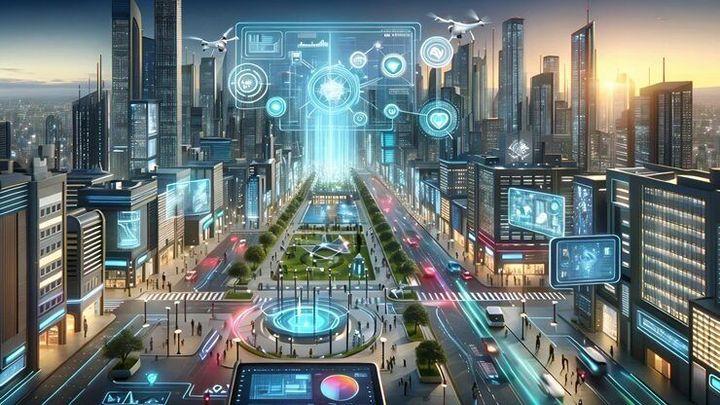
Smart City Automation Guide: Systems, Technologies, Applications, Benefits and Key Components
Smart city automation refers to the use of connected technologies, sensors, software, communication networks, and automated controls to manage urban systems more efficiently. It brings together physical infrastructure and digital systems so that information can be collected, analyzed, and used to support everyday city operations.
The idea developed alongside the growth of urban populations, digital communication, Internet of Things (IoT) devices, cloud computing, geographic information systems (GIS), and data analytics. Instead of managing every urban process separately, smart city automation connects different systems so they can exchange information and respond to changing conditions.
A smart city may use automation for traffic signals, street lighting, water networks, waste collection, public transport, parking, environmental monitoring, energy management, and emergency coordination. The level of automation can range from simple sensor-based controls to systems that analyze large amounts of information and support decisions.
Key Components of Smart City Automation
A smart city automation system generally contains several connected components:
- Sensors collect information about traffic, air quality, water levels, electricity use, temperature, movement, and other conditions.
- Communication networks transfer information between field devices, control centers, and software platforms.
- Data platforms store and organize information from different sources.
- Analytics tools identify patterns and changes in collected information.
- Automated controls can adjust equipment according to predefined rules.
- Control centers provide dashboards through which authorized personnel can monitor multiple systems.
- GIS platforms connect information to geographic locations, helping planners understand conditions across different parts of a city.
These components can operate independently or as part of an integrated urban management system.
Importance
Cities face growing pressure from population growth, traffic congestion, water demand, energy consumption, pollution, infrastructure maintenance, and climate-related events. Traditional methods that depend heavily on manual monitoring can make it difficult to understand conditions across a large urban area in real time.
Smart city automation helps address these challenges by connecting information from different locations. For example, traffic sensors can provide information about vehicle movement, while automated signal systems can adjust traffic patterns according to predefined operating rules.
Everyday Urban Applications
Smart city automation can affect many parts of daily life. Common applications include:
- Traffic management: Sensors and cameras can monitor road conditions and traffic volumes. Data can support signal coordination and traffic planning.
- Smart lighting: Connected streetlights can be monitored remotely and adjusted according to schedules, environmental conditions, or movement detection.
- Water management: Sensors can monitor pressure, flow, tank levels, and water quality indicators. This can help identify unusual conditions in a distribution network.
- Waste management: Connected containers can provide information about fill levels, helping municipal teams plan collection routes.
- Parking management: Digital systems can monitor parking availability and provide information about occupied or available spaces.
- Environmental monitoring: Sensors can track air quality, noise, temperature, humidity, and other environmental conditions.
- Public transport: Location and operational information can help transport authorities monitor routes, schedules, and vehicle movement.
- Emergency coordination: Integrated communication and monitoring systems can help authorities understand incidents and coordinate responses.
Benefits and Challenges
The potential benefits of smart city automation include improved monitoring, more efficient use of infrastructure, faster access to information, and better coordination between different urban departments. Automation can also reduce the need for repetitive manual monitoring in some situations.
However, automation also introduces challenges. Cities need reliable connectivity, compatible systems, trained personnel, cybersecurity controls, data governance, maintenance processes, and appropriate budgets. A system that collects large amounts of information also requires clear rules about how that information is stored, accessed, protected, and used.
Recent Updates
From 2024 through 2026, the development of smart city automation in India has increasingly involved digital infrastructure, data governance, connected urban systems, and integration between municipal platforms. The National Urban Digital Mission (NUDM) continues to focus on shared digital infrastructure, standards, platforms, and frameworks intended to strengthen the urban digital ecosystem.
Water and urban infrastructure have also remained important areas of technology adoption. AMRUT 2.0 includes digital and technology-related reforms involving areas such as GIS-based property mapping, water management, treated-water reuse, electric vehicle charging infrastructure, and online municipal processes. Current project records show continuing implementation across multiple Indian cities.
Another significant development has been the strengthening of India's digital personal data framework. The Digital Personal Data Protection Rules, 2025 were notified in November 2025, establishing an implementation framework connected with the Digital Personal Data Protection Act, 2023. Different provisions have different commencement periods, making data governance an important consideration for automated urban systems that process personal information.
Growing Role of Connected Technologies
Recent smart city development is increasingly moving toward interconnected platforms rather than isolated technology projects. IoT sensors, cloud platforms, GIS, artificial intelligence, edge computing, digital twins, and advanced analytics can be combined to create a more complete view of urban conditions.
Artificial intelligence can assist with pattern recognition, forecasting, image analysis, and anomaly detection. However, automated analysis still requires appropriate data quality, human oversight, cybersecurity measures, and clearly defined operating rules.
Laws or Policies
In India, smart city automation is influenced by national programs, technology regulations, municipal rules, state policies, and sector-specific requirements. Local authorities may have additional rules governing infrastructure, construction, traffic, water, electricity, environmental monitoring, and digital systems.
Urban Digital Policy
The National Urban Digital Mission provides a framework for shared digital infrastructure and reusable digital building blocks within the urban ecosystem. Its stated objectives include improving urban governance, transparency, and ease of living through digital systems.
AMRUT 2.0
AMRUT 2.0 is another important urban development framework. Its reforms include technology-related measures such as GIS-based property mapping, digital grievance handling, water management, reuse of treated water, and provisions connected with electric vehicle charging infrastructure.
Data Protection
Automated city systems may process information associated with identifiable individuals, particularly when cameras, digital accounts, mobility systems, or connected applications are involved. India's Digital Personal Data Protection Act, 2023 and the Digital Personal Data Protection Rules, 2025 establish requirements and mechanisms concerning digital personal data. The 2025 Rules also specify different commencement periods for various provisions.
Local implementation therefore needs to consider applicable privacy, cybersecurity, procurement, infrastructure, and municipal requirements. Specific legal obligations can vary according to the technology and the authority responsible for operating it.
Tools and Resources
Several technical tools can help planners, engineers, researchers, and municipal teams understand smart city automation.
GIS Platforms
GIS tools connect information to geographical locations. They can be used to map roads, water infrastructure, buildings, traffic conditions, environmental measurements, and other urban assets.
IoT Platforms
IoT platforms collect information from connected sensors and devices. They can provide dashboards, device monitoring, alerts, data storage, and communication between field equipment and central systems.
Data Dashboards
Urban dashboards combine information from multiple sources into visual interfaces. Common dashboard elements include maps, charts, status indicators, historical trends, and alerts.
Digital Twin Platforms
A digital twin represents physical infrastructure or an urban area within a digital environment. Depending on its design, it can combine geographic, engineering, sensor, and operational information to support analysis and planning.
Government Resources
The Ministry of Housing and Urban Affairs provides information about programs such as NUDM and AMRUT 2.0. The NUDM platform describes digital infrastructure, standards, specifications, and frameworks for the urban ecosystem, while the AMRUT 2.0 platform provides information about approved projects and implementation progress.
FAQs
What is smart city automation?
Smart city automation uses connected devices, software, sensors, communication networks, and automated controls to monitor and manage urban systems. It can be applied to traffic, lighting, water, waste, transport, environmental monitoring, and other areas.
What are the key components of smart city automation?
The main components include sensors, communication networks, data platforms, analytics software, automated controls, GIS tools, dashboards, and centralized or distributed control systems. Cybersecurity and data governance are also important parts of a complete system.
How does smart city automation work?
Sensors and connected devices collect information from physical environments. Communication networks transfer the information to software platforms, where it can be stored and analyzed. Automated rules or authorized personnel can then use the information to adjust connected systems or coordinate responses.
What technologies are used in smart city automation?
Common technologies include IoT, artificial intelligence, cloud computing, edge computing, GIS, data analytics, wireless networks, digital twins, cameras, environmental sensors, and automated control systems. The combination used depends on the specific urban application.
What are the benefits of smart city automation?
Smart city automation can improve monitoring, support faster access to information, coordinate urban infrastructure, identify unusual conditions, and help authorities understand resource usage. Its results depend on system design, data quality, connectivity, maintenance, governance, and local operating conditions.
Conclusion
Smart city automation connects physical urban infrastructure with sensors, software, communication networks, and data-driven controls. Its applications can include traffic management, lighting, water systems, waste management, environmental monitoring, transport, and emergency coordination. In India, urban digital programs and data protection rules are shaping how connected city systems are developed and managed. Effective implementation depends on suitable infrastructure, reliable data, cybersecurity, privacy safeguards, governance, and appropriate human oversight.