Safari Africa Overview With Game Drives, Nature, and Destination Insights
Safari Africa refers to wildlife-focused travel across the African continent, where visitors explore natural habitats, observe wild animals, and learn about ecosystems. These experiences often include guided game drives, walking excursions in designated areas, birdwatching, and visits to protected landscapes.
The term safari has historical roots in East African travel and is now widely associated with wildlife observation and nature exploration.
African safari destinations include open grasslands, tropical forests, wetlands, deserts, and mountainous regions. Each landscape supports different plants and animals, creating varied experiences across the continent. Visitors may encounter elephants, giraffes, zebras, lions, rhinoceroses, antelopes, and numerous bird species, depending on the destination and season.
How African Game Drives Work
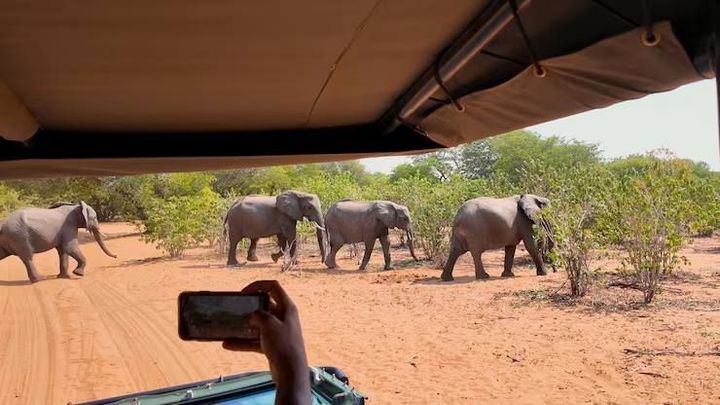
A game drive is a wildlife observation trip conducted in a vehicle, usually with a trained guide who understands animal behavior, habitat conditions, and local safety procedures. Drives commonly take place during early morning or late afternoon, when temperatures may be more comfortable and certain animals are more active.
The experience depends on several factors, including weather, vegetation, seasonal animal movements, and the condition of roads or tracks. Wildlife sightings cannot be predicted with certainty because animals move freely within their natural environments.
Major Safari Regions Across Africa
Different African regions provide distinct combinations of wildlife, scenery, and cultural experiences.
East Africa: Kenya and Tanzania are known for extensive grasslands, large herbivore populations, and seasonal wildlife migrations.
Southern Africa: Botswana, Namibia, South Africa, Zambia, and Zimbabwe feature diverse habitats, including savannas, river systems, deserts, and woodland areas.
Central Africa: Forest landscapes in countries such as Gabon and the Republic of the Congo support forest elephants, primates, and specialized bird species.
Other wildlife regions: Uganda and Rwanda are associated with forest ecosystems and carefully regulated mountain gorilla tracking, alongside other nature-based activities.
Understanding these differences helps explain why safari Africa is not a single type of holiday but a broad category of experiences shaped by geography, ecology, and conservation practices.
Importance
Wildlife Conservation and Environmental Awareness
African safari travel can contribute to conservation when tourism revenue supports protected areas, habitat management, research, and community initiatives. National parks and private or community-managed conservancies may use visitor revenue to help maintain wildlife habitats and fund monitoring activities.
Wildlife tourism also creates opportunities for visitors to understand environmental challenges. Habitat fragmentation, illegal wildlife trade, human-wildlife conflict, drought, and changing rainfall patterns can affect animal populations and the communities living near protected landscapes.
However, tourism does not automatically benefit every ecosystem or community. Its impact depends on how revenue is managed, how visitors behave, and whether wildlife protection remains a priority.
Benefits for Local Communities
Nature-based tourism can support employment in guiding, hospitality, transportation, food production, conservation research, and cultural activities. It may also create markets for locally produced goods and provide income for communities living near wildlife areas.
Community participation is particularly important where people share land with large animals. Elephants, lions, and other wildlife can damage crops, threaten livestock, or create safety concerns. Effective conservation programs may combine education, conflict prevention, habitat protection, and locally managed benefits.
Challenges for Safari Visitors
Planning an African wildlife trip involves practical considerations beyond choosing a destination. Travelers need to understand transport arrangements, accommodation locations, weather conditions, health precautions, and the physical demands of planned activities.
Common challenges include:
Seasonal road conditions that affect access to remote parks.
Long transfers between airports, lodges, and wildlife areas.
Limited mobile connectivity in isolated regions.
Heat, dust, rain, and changing temperatures.
Different entry requirements and wildlife regulations across countries.
The need to follow animal-viewing distances and guide instructions.
These factors influence comfort, accessibility, and the type of safari experience available.
Comparing Popular Safari Destinations
Destination | Main landscape | Common wildlife interests | Notable experience |
|---|---|---|---|
Kenya | Grasslands and savannas | Lions, elephants, zebras | Wildlife reserves and migration viewing |
Tanzania | Savannas, plains, and crater landscapes | Wildebeest, lions, elephants | Large protected ecosystems |
Botswana | Wetlands and dry woodland | Elephants, hippos, predators | Water-based and vehicle safaris |
Namibia | Desert and arid landscapes | Desert-adapted wildlife, elephants | Wildlife viewing in dry environments |
South Africa | Savannas, bushveld, and varied reserves | Rhinoceroses, lions, elephants | National parks and private reserves |
Uganda | Forests, wetlands, and savannas | Primates, elephants, birds | Forest tracking and wildlife drives |
Zambia | River valleys and woodland | Elephants, hippos, predators | Guided walking safaris in designated areas |
Wildlife availability varies by location, season, and habitat. This comparison describes general destination characteristics rather than guaranteeing particular animal sightings.
Recent Updates
Changing Safari Travel Preferences
Recent safari travel trends through 2024–2026 show continued interest in nature-focused experiences, smaller-group activities, conservation awareness, and trips that combine wildlife viewing with local cultural learning. Travelers increasingly consider the environmental footprint of transportation, accommodation, and activities when comparing destinations.
Some operators and protected areas are also emphasizing longer stays in fewer locations rather than rapid travel between multiple parks. This approach can reduce the number of transfers and provide more time to understand individual ecosystems.
Technology in Wildlife Observation
Digital mapping, GPS navigation, camera traps, and wildlife-monitoring systems play important roles in conservation and safari operations. Camera traps help researchers record animal activity without requiring continuous human observation, while GPS tools support navigation and the monitoring of certain animal movements.
Visitors may use offline maps, digital park information, and weather applications when preparing for remote travel. These tools can support planning, although connectivity limitations and changing field conditions mean that digital information may not always be current.
Climate and Habitat Considerations
Climate variability is an important influence on African wildlife destinations. Changes in rainfall, prolonged dry periods, flooding, and temperature patterns can affect water availability, grazing conditions, and seasonal animal movements.
Some destinations experience noticeable differences between wet and dry seasons, while others have more localized weather patterns. Travelers may therefore encounter different road conditions, vegetation density, and wildlife visibility depending on the period of travel.
Conservation organizations and park authorities continue to monitor habitat conditions and animal populations. Responsible safari planning increasingly involves understanding how seasonal changes affect both wildlife and local communities.
Laws or Policies
National Park Rules and Wildlife Protection
Safari regulations vary between African countries and between individual protected areas. National governments, wildlife authorities, and park management agencies establish rules covering visitor access, vehicle movement, wildlife interactions, conservation activities, and permitted recreation.
Common requirements may include:
Following designated roads and authorized trails.
Observing park opening hours and entry conditions.
Maintaining appropriate distances from wildlife.
Avoiding feeding, touching, or provoking animals.
Respecting restrictions on off-road driving and nighttime activities.
Following instructions from guides, rangers, and park officials.
Some protected areas restrict visitor numbers, regulate photography activities, or require permits for specialized experiences. Mountain gorilla tracking, for example, generally involves advance permits, designated groups, and strict behavioral rules intended to protect animals and visitors.
Cross-Border Travel and Entry Requirements
Travelers visiting multiple African countries must consider separate immigration and entry requirements. Passport validity, visas, vaccination documentation, and other health-related entry conditions may vary according to nationality, travel history, and current government policies.
Certain countries or travel routes may have specific requirements concerning yellow fever vaccination documentation. Requirements should be checked against current official guidance before departure because rules can change.
Travelers should also review policies concerning drones, professional photography equipment, protected wildlife products, and the transportation of biological materials. Items made from protected animal species may be subject to strict national and international restrictions.
Conservation Frameworks
National legislation and international agreements help regulate wildlife protection and the movement of certain endangered species. The Convention on International Trade in Endangered Species of Wild Fauna and Flora, commonly called CITES, provides a framework for regulating international trade in listed wildlife specimens and products.
These rules are relevant to safari travel because souvenirs, animal-derived materials, and wildlife photography activities can involve legal restrictions. Compliance supports conservation objectives and helps reduce the risk of unlawful wildlife trade.
Tools and Resources
Safari Planning Tools
Several categories of tools can help travelers understand destination conditions and prepare for wildlife activities.
Park maps: Show park boundaries, access roads, campsites, visitor facilities, and designated wildlife areas.
Weather applications: Provide rainfall forecasts, temperature estimates, and information about changing weather conditions.
Offline navigation tools: Help with orientation in areas where mobile data coverage is limited.
Wildlife field guides: Explain animal identification, tracks, behavior, and habitat characteristics.
Bird identification applications: Help users identify species through visual characteristics, location, or recorded calls.
Travel planning spreadsheets: Organize transport connections, accommodation details, permits, and daily itineraries.
Information from these tools should be checked against current park guidance and local conditions.
Official Information and Conservation Resources
National wildlife authorities and protected-area management agencies publish information about entry rules, permits, park conditions, and visitor conduct. Government travel advisories can help travelers assess security conditions, transportation issues, and entry requirements.
Conservation organizations and scientific research institutions provide educational resources on biodiversity, habitat restoration, animal behavior, and community conservation. These materials can help readers understand the ecological importance of safari destinations beyond the experience of viewing wildlife.
Preparing for a Game Drive
Preparation generally includes selecting suitable clothing, carrying drinking water where permitted, protecting equipment from dust or moisture, and following the guide's instructions. Binoculars can improve wildlife observation, while a camera with an appropriate zoom range can help photograph animals without approaching them.
Visitors should avoid loud noises and sudden movements near wildlife. Walking independently in areas where dangerous animals are present can create serious risks, so activities should remain within authorized arrangements and established safety procedures.
FAQs
What Is Safari Africa Known For?
Safari Africa is known for wildlife observation, game drives, diverse landscapes, national parks, and conservation-focused travel. Experiences range from savanna wildlife viewing to forest excursions and birdwatching.
Which African Countries Are Known for Game Drives?
Kenya, Tanzania, Botswana, Namibia, South Africa, Zambia, and Zimbabwe are known for various game-drive experiences. The suitability of each destination depends on its habitats, seasonal conditions, accessibility, and wildlife interests.
When Is the Best Season for an African Safari?
The appropriate season depends on the destination and the experience planned. Dry periods may improve visibility in some savannas, while wet seasons can bring greener landscapes, migratory birds, and different wildlife patterns.
Are African Safari Game Drives Safe?
Game drives can be conducted under established safety procedures, but wildlife remains unpredictable. Visitors should use authorized arrangements, remain in designated vehicles when instructed, maintain appropriate distances, and follow guide and park regulations.
What Should Travelers Pack for a Safari in Africa?
Common items include comfortable neutral-colored clothing, sun protection, binoculars, a camera, suitable footwear, personal medication, and insect protection appropriate to the destination. Packing requirements vary with climate, activity type, and accommodation arrangements.
Conclusion
Safari Africa brings together wildlife observation, diverse natural landscapes, cultural experiences, and conservation education. Game drives provide opportunities to understand animal behavior while observing wildlife in protected habitats. Destination selection, seasonal conditions, local regulations, and responsible visitor behavior all influence the experience. Understanding these factors provides a practical foundation for exploring African safari travel.