Rubber Injection Moulding Machines Guide With Precision Processing and Industrial Solutions
Rubber injection moulding machines are industrial systems designed to shape rubber compounds into precise components through controlled heating, injection, moulding, and curing. The technology is widely associated with the development of modern rubber manufacturing because it allows repeated production of components with consistent dimensions and controlled material distribution.
Traditional rubber moulding methods often depended on manual material placement and longer preparation stages. Rubber injection moulding introduced a more controlled approach in which prepared rubber compounds are transferred into a mould cavity under pressure and then cured according to defined processing conditions.
Today, rubber injection moulding machines are used for components found in automotive systems, industrial equipment, electrical products, construction equipment, household products, and various mechanical assemblies. The equipment can process different rubber compounds depending on the formulation, component geometry, temperature requirements, and curing characteristics.
How Rubber Injection Moulding Works
A typical rubber injection moulding process begins with preparation of the rubber compound. The material is then placed into a feed system or loading mechanism before entering the injection unit.
The injection unit moves the rubber into a heated mould cavity. Pressure and temperature are controlled during filling to help the material reach the required areas of the cavity. Once the cavity is filled, the rubber remains under controlled heat and pressure while vulcanization or curing takes place.
After curing, the mould opens and the finished component is removed. The sequence can then be repeated for the next production cycle.
Main Machine Components
A rubber injection moulding machine normally contains several interconnected systems. These include:
- Injection unit for transferring rubber into the mould
- Hydraulic or electric clamping system for holding mould sections together
- Heating system for controlling mould temperature
- Control system for monitoring processing parameters
- Mould assembly that defines the final component shape
- Feeding system for handling prepared rubber material
- Ejection mechanism for removing cured components
The configuration varies according to machine capacity, mould design, rubber compound, component dimensions, and production requirements.
Importance
Rubber components are often required to maintain dimensional stability, flexibility, sealing performance, vibration control, or resistance to environmental conditions. Small differences in shape or curing can affect how a component fits into a larger assembly.
Rubber injection moulding machines help address these manufacturing challenges through controlled processing conditions. Automated material injection can reduce variation between production cycles when the machine, material, mould, and process parameters are properly configured.
Industries Using Rubber Injection Moulding
Rubber injection moulding is relevant to several industrial sectors. Automotive manufacturing uses moulded rubber components for sealing, vibration isolation, fluid handling, and protective applications.
Industrial machinery can incorporate rubber seals, gaskets, buffers, rollers, mounts, and flexible connections. Electrical and electronic equipment may also use moulded rubber components where insulation, sealing, or protection from environmental exposure is required.
Other applications include:
- Construction equipment components
- Industrial sealing systems
- Medical and laboratory equipment components
- Electrical insulation components
- Consumer and household products
- Agricultural machinery components
- Fluid-control and piping assemblies
Precision Processing
Precision processing depends on several variables rather than machine operation alone. Rubber compound characteristics, mould temperature, injection pressure, curing time, cavity design, and material preparation can all influence the final component.
Modern control systems can monitor these parameters during production. This creates process data that manufacturers can examine when investigating dimensional variation, incomplete filling, surface defects, or curing inconsistencies.
Rubber Injection Moulding Compared With Other Methods
Rubber can be processed through several moulding approaches. Compression moulding places prepared material directly into a mould before pressure and heat are applied. Transfer moulding uses a transfer chamber to move material into mould cavities.
Injection moulding introduces the rubber through an injection system, allowing controlled filling of the mould. The appropriate method depends on component geometry, material characteristics, production volume, mould configuration, and required process control.
| Processing Method | Material Movement | Typical Characteristic | Process Control |
|---|---|---|---|
| Compression moulding | Material placed directly in cavity | Simple moulding arrangement | Moderate |
| Transfer moulding | Material transferred through chamber | Suitable for detailed parts | Controlled |
| Rubber injection moulding | Material injected into cavity | Automated material delivery | High |
| Liquid silicone injection | Liquid material injected | Suitable for selected silicone applications | Highly controlled |
Recent Updates
The current development of rubber injection moulding machines is increasingly connected with automation, digital controls, energy management, and process monitoring. Modern equipment can incorporate electronic control interfaces that allow operators to monitor pressure, temperature, cycle timing, and other production parameters.
Automation and Digital Monitoring
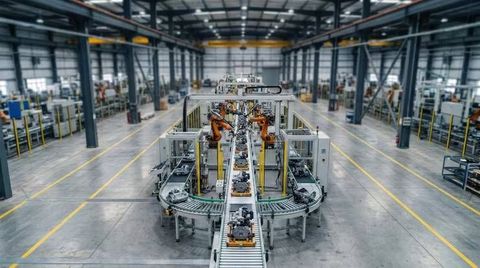
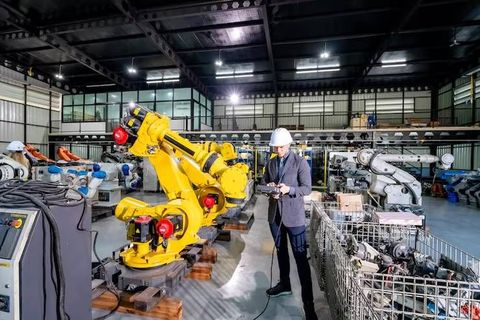
Automation is becoming more important in rubber manufacturing environments. Machines can integrate automated feeding, mould handling, component removal, and production monitoring systems.
Digital monitoring can help identify changes in process conditions during production. Recorded information can also support quality analysis and maintenance planning by showing how equipment parameters change over time.
Energy Management
Machine manufacturers and industrial facilities are paying greater attention to energy consumption. Electric and hybrid machine configurations are being developed alongside improvements in hydraulic systems, heating controls, insulation, and temperature management.
Energy efficiency depends on the entire production system rather than one machine component. Mould design, heating requirements, cycle duration, material formulation, and operating conditions all influence overall energy use.
Advanced Process Control
Control technology is also becoming more precise. Sensors can monitor variables such as mould temperature, injection pressure, hydraulic pressure, and cycle timing.
Some systems can record historical process information, allowing operators to compare production cycles and identify unusual changes. These capabilities are particularly relevant when producing components with tight dimensional requirements.
Sustainable Rubber Processing
Environmental considerations are influencing rubber manufacturing research and process development. Attention is being given to material efficiency, reduced waste, energy management, longer component life, and improved processing control.
Recycling rubber can be technically complex because vulcanized rubber has already undergone chemical cross-linking. As a result, material recovery approaches vary according to rubber chemistry, contamination, component design, and intended application.
Laws or Policies
Rubber injection moulding machines are generally affected by several categories of industrial rules rather than one single regulation. Requirements vary according to the country, industrial sector, machine configuration, workplace environment, and type of rubber compound being processed.
Machine Safety Requirements
Industrial machinery regulations commonly address guarding, emergency stopping systems, electrical safety, pressure-related hazards, moving components, and operator protection. Manufacturers and industrial facilities may need to follow applicable machinery and workplace safety requirements in their jurisdiction.
Risk assessment is an important part of machine operation. Areas involving mould movement, high temperatures, hydraulic pressure, and automated mechanisms require appropriate protective measures.
Environmental Requirements
Environmental rules can apply to energy use, industrial emissions, waste management, chemical handling, and disposal of manufacturing materials. Requirements differ between jurisdictions and may also depend on the type of rubber formulation and production facility.
Industrial operators generally need to maintain appropriate records for regulated materials and production waste where required by applicable rules.
Product and Quality Requirements
Components used in regulated industries may also need to satisfy specific technical or quality requirements. Automotive, electrical, medical, aerospace, and other sectors can have different documentation and testing expectations.
The applicable requirements depend on the intended application rather than simply the type of moulding machine used.
Tools and Resources
Several technical resources can support understanding and management of rubber injection moulding operations. Machine monitoring software can record pressure, temperature, cycle time, and other process information.
Useful Technical Tools
Helpful resources can include:
- Rubber material property databases
- Mould design software
- Injection process monitoring systems
- Temperature measurement instruments
- Pressure sensors and calibration equipment
- Production planning spreadsheets
- Preventive maintenance templates
- Quality inspection records
- Statistical process control software
- Technical machine manuals
Mould-flow analysis can also help engineers study how a rubber compound may move through a cavity before physical mould production. The usefulness of simulation depends on the accuracy of material data, mould geometry, temperature assumptions, and other process inputs.
Maintenance and Quality Records
Maintenance records can document inspections, lubrication activities, hydraulic checks, heating-system performance, sensor condition, and mould maintenance.
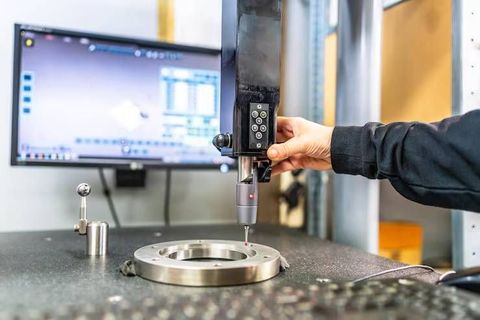
Quality records may include dimensional measurements, visual inspection results, curing information, material batch details, and process parameters. Keeping these records can help manufacturers identify recurring process variation and establish traceability within their production systems.
FAQs
What is a rubber injection moulding machine?
A rubber injection moulding machine is industrial equipment that injects prepared rubber material into a mould cavity under controlled conditions. Heat and pressure are then used during the curing stage to create the required component shape.
How does a rubber injection moulding machine work?
The machine prepares or receives the rubber compound, transfers it through an injection system, fills a heated mould cavity, and maintains controlled conditions during curing. After curing is complete, the mould opens and the component is removed.
What materials can rubber injection moulding machines process?
Depending on machine configuration and processing conditions, rubber injection moulding machines can process various elastomer compounds, including selected natural and synthetic rubber formulations. Material compatibility depends on compound characteristics and machine specifications.
What factors affect rubber injection moulding quality?
Important factors include material preparation, mould temperature, injection pressure, curing time, cavity design, material viscosity, machine condition, and dimensional control. Changes in any of these variables can influence the finished component.
What are recent trends in rubber injection moulding machines?
Current trends include greater automation, digital process monitoring, improved temperature control, energy-management features, data collection, and integration with broader manufacturing control systems. These developments are intended to provide more consistent process monitoring and production management.
Conclusion
Rubber injection moulding machines provide a controlled method for producing rubber components used across automotive, industrial, electrical, construction, and other manufacturing sectors. Their operation combines material preparation, injection pressure, mould temperature, curing conditions, and automated control. Recent developments increasingly focus on digital monitoring, automation, energy management, and process data. Applicable safety, environmental, and product requirements depend on the jurisdiction, machine configuration, material, and intended application.