Pressure Gauge Manufacturing Overview: Components, Production Process, and Practical Knowledge
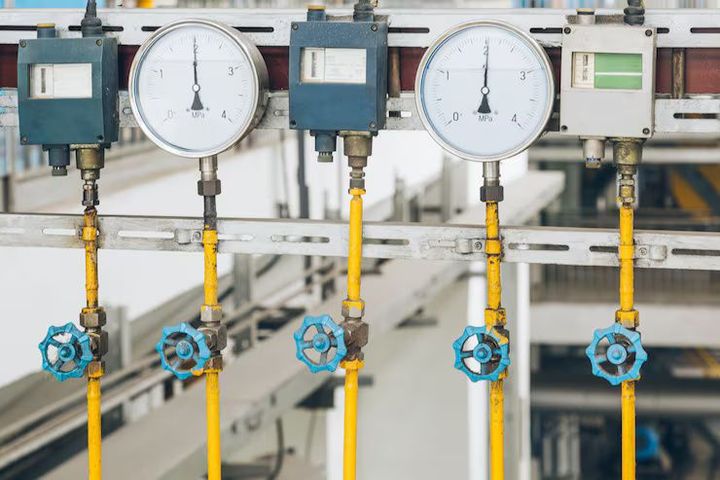
Pressure gauges are instruments used to measure the pressure of gases or liquids in industrial systems. They are widely used in industries such as oil and gas, power generation, chemical processing, water treatment, pharmaceuticals, and manufacturing. These devices help monitor system performance and ensure operational safety.
Pressure gauge manufacturing exists because accurate industrial pressure measurement is essential for safety, reliability, and performance. Without proper pressure monitoring, equipment can fail, pipelines may rupture, and industrial processes may become unstable. Over time, pressure gauges have evolved from simple mechanical devices to advanced digital pressure sensors integrated into automated process control systems.
Mechanical pressure gauges remain common in many industries due to their durability and simplicity. At the same time, electronic models are increasingly used in environments requiring data logging and remote monitoring.
Understanding the Main Components
Pressure gauge manufacturing involves assembling several precise components that work together to measure pressure accurately.
Key components include:
- Sensing Element: This is the core part that responds to pressure changes. In a bourdon tube gauge, a curved metal tube flexes when pressure increases.
- Dial and Scale Plate: Displays pressure readings in units such as PSI, bar, or kPa.
- Pointer (Needle): Moves across the dial to indicate the measured pressure.
- Movement Mechanism: Converts mechanical movement from the sensing element into rotational motion of the pointer.
- Socket or Threaded Connection: Connects the gauge to the pipeline or system being monitored.
- Case and Protective Window: Shields internal components from dust, moisture, vibration, and impact.
In digital pressure sensors, additional electronic components are included:
- Strain gauges or piezoresistive elements
- Microprocessors
- Digital display units
- Electrical output terminals for integration into industrial instrumentation equipment
Types of Pressure Gauges
| Type | Sensing Principle | Typical Use |
|---|---|---|
| Bourdon Tube Gauge | Elastic metal tube deformation | Medium to high pressure systems |
| Diaphragm Gauge | Flexible membrane movement | Low pressure applications |
| Capsule Gauge | Dual diaphragm capsule | Gas pressure measurement |
| Digital Pressure Sensor | Electronic strain detection | Automated process control systems |
Each design supports different pressure ranges and environmental requirements.
Production Process in Pressure Gauge Manufacturing
The production of pressure gauges requires precision engineering and strict quality control manufacturing practices.
The process generally includes the following stages:
Material Selection
Manufacturers select materials such as stainless steel, brass, or specialized alloys. The choice depends on corrosion resistance, temperature conditions, and pressure range requirements.
Forming the Sensing Element
In mechanical gauge production, the bourdon tube is formed from metal strips and shaped into a curved tube. Heat treatment ensures elasticity and long-term durability.
Machining and Fabrication
CNC machining is used to produce sockets, housings, and mechanical linkages. Precision machining ensures accurate alignment and leak resistance.
Assembly
The sensing element is connected to the movement mechanism. The pointer and dial are installed. In digital models, electronic pressure measurement components are integrated into the housing.
Calibration
Calibration standards are applied to verify accuracy. The gauge is compared against reference instruments under controlled pressure conditions. Adjustments are made if readings fall outside acceptable tolerances.
Inspection and Testing
Each unit undergoes pressure testing, leak detection, and performance verification. Quality control manufacturing procedures ensure compliance with ISO certification compliance and other regulatory standards.
Modern facilities often integrate automation to enhance consistency and traceability during production.
Why Pressure Gauge Manufacturing Matters Today
Pressure gauge manufacturing plays a vital role in maintaining industrial safety and operational efficiency.
Industries that depend heavily on industrial pressure measurement systems include:
- Oil refineries and pipeline networks
- Power plants and boiler systems
- Chemical processing facilities
- Water supply and wastewater systems
- Food and pharmaceutical manufacturing
Accurate pressure monitoring helps prevent:
- Equipment overpressure and mechanical failure
- Hazardous leaks and explosions
- Process inefficiencies
- Unplanned downtime
As industrial automation expands, digital pressure sensors are increasingly integrated into advanced process control systems. These systems allow real-time monitoring, predictive maintenance, and data analysis.
Reliable industrial instrumentation equipment supports energy efficiency and sustainability by ensuring processes operate within optimal parameters. Proper pressure control also extends equipment lifespan and reduces maintenance interruptions.
Recent Updates and Trends in 2025
In 2025, pressure gauge manufacturing continues to evolve alongside advancements in digitalization and smart industry systems.
In January 2025, industry publications reported growing adoption of Industrial Internet of Things (IIoT)-enabled digital pressure sensors. These devices support remote monitoring and centralized data collection across manufacturing plants.
In March 2025, updates to international calibration standards emphasized enhanced traceability requirements for industrial measurement devices. Manufacturers have adopted more automated calibration systems to maintain compliance.
Environmental sustainability has become a stronger focus in 2025. Manufacturing facilities are reducing material waste and improving energy efficiency in machining operations. Some companies have introduced recyclable housing materials to align with environmental compliance standards.
Another trend involves improved vibration-resistant gauge designs for use in heavy industrial environments such as mining and offshore operations. Enhanced damping systems and corrosion-resistant materials have increased durability in challenging conditions.
Cybersecurity awareness has also expanded in 2025. As digital pressure sensors connect to industrial networks, guidelines now emphasize secure data transmission and system protection.
Laws and Policies Affecting Pressure Gauge Manufacturing
Pressure gauge manufacturing is influenced by national and international regulations focused on safety, accuracy, and environmental protection.
In the United States, occupational safety regulations require proper monitoring of pressure systems in workplaces. Compliance with recognized calibration standards is essential for equipment used in hazardous environments.
In the European Union, the Pressure Equipment Directive (PED) establishes safety requirements for pressure-related equipment. Manufacturers must demonstrate conformity with these regulations before distribution within member states.
In India, the Bureau of Indian Standards (BIS) defines technical specifications for mechanical gauge production and industrial instrumentation equipment. Certification ensures consistent performance and safety.
ISO certification compliance is also widely recognized worldwide. Standards such as ISO 9001 focus on quality management systems, while other ISO guidelines address calibration accuracy and measurement traceability.
Environmental regulations further influence manufacturing practices, including:
- Safe handling of machining fluids
- Waste disposal guidelines
- Emission controls
- Worker safety standards
Adherence to these policies ensures safe and responsible production.
Tools and Resources for Practical Knowledge
Engineers and technicians use various tools to support pressure gauge manufacturing and maintenance.
Common technical tools include:
- Pressure unit conversion calculators
- Digital calibration software
- Deadweight testers for reference calibration
- Leak detection instruments
- Process control simulation software
Educational resources include:
- Engineering textbooks on industrial instrumentation systems
- Online training courses in mechanical gauge production
- ISO documentation portals
- Technical research journals on sensor technology
- Materials science databases
Resource Table
| Resource Type | Application |
|---|---|
| Testing instruments | Quality control |
| Measurement tools | On-site monitoring |
| Standards documents | Compliance reference |
| Research studies | Innovation tracking |
These tools help improve understanding of quality control manufacturing processes and maintain measurement accuracy.
Frequently Asked Questions
What is a bourdon tube gauge?
A bourdon tube gauge uses a curved metal tube that flexes when pressure increases. This mechanical movement drives a pointer across a dial to display pressure readings.
How often should pressure gauges be calibrated?
Calibration frequency depends on industry standards and application requirements. Many industrial systems follow scheduled calibration intervals to maintain measurement accuracy.
What is the difference between mechanical and digital pressure gauges?
Mechanical gauges rely on physical movement of sensing elements. Digital pressure sensors use electronic components to measure pressure and often provide digital outputs for process control systems.
Why is pressure monitoring important in industrial systems?
Monitoring ensures systems operate within safe limits. It prevents overpressure conditions, protects equipment, and maintains consistent production processes.
Which standards apply to pressure gauge manufacturing?
Standards include ISO certification compliance, national safety regulations, and industry-specific guidelines such as the Pressure Equipment Directive in the European Union.
Conclusion
Pressure gauge manufacturing supports safe and efficient industrial operations by producing reliable instruments for industrial pressure measurement systems. From traditional bourdon tube gauges to advanced digital pressure sensors, these devices are critical components of modern industrial instrumentation equipment.
In 2025, trends such as IIoT integration, enhanced calibration standards, and improved durability reflect the industry’s ongoing modernization. Regulatory compliance and quality control manufacturing practices ensure accuracy, safety, and reliability across applications.
Understanding the components, production processes, and regulatory environment behind pressure gauge manufacturing provides practical knowledge about how industrial systems maintain stability and protect infrastructure. Accurate pressure measurement remains essential for operational safety, efficiency, and long-term system performance.