Plastic Recycling Machines Explained: Types, Components, Processes, Applications and Benefits
Plastic recycling machines are equipment systems designed to process discarded plastic materials and prepare them for reuse in manufacturing. These systems can handle materials such as polyethylene terephthalate (PET), high-density polyethylene (HDPE), low-density polyethylene (LDPE), polypropylene (PP), and other plastic types, depending on the machine configuration.
Plastic recycling developed as plastic production expanded across packaging, construction, agriculture, transportation, electronics, and household products. Because different plastics have different chemical and physical properties, recycling requires several stages rather than a single mechanical operation.
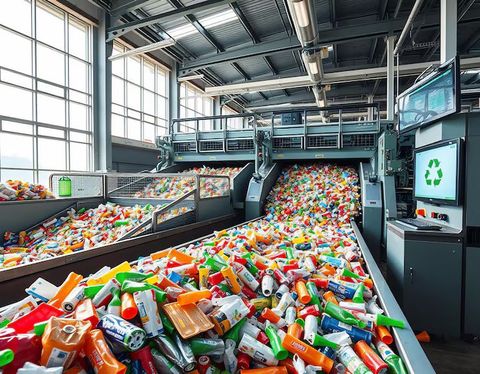
A typical plastic recycling process may include collection, sorting, shredding, washing, drying, melting, filtering, and pelletizing. Not every facility uses all of these stages. The required equipment depends on the type of plastic, the condition of the incoming material, the desired recycled output, and the intended application.
What Plastic Recycling Machines Do
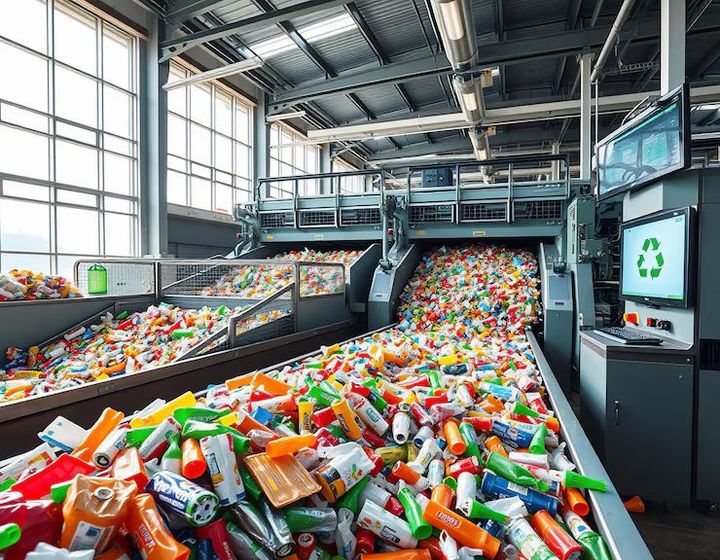
Plastic recycling machines change discarded plastic into a form that can be processed again. Some machines reduce large items into smaller pieces, while others clean, separate, melt, filter, or reshape the material.
Common equipment includes:
- Plastic shredders for reducing large plastic items into smaller pieces
- Plastic crushers for breaking rigid plastic into manageable fragments
- Washing systems for removing dirt, labels, oils, and other contaminants
- Drying systems for reducing moisture after washing
- Extruders for melting and mixing plastic material
- Melt filters for removing remaining solid particles
- Pelletizing systems for producing uniform plastic pellets
- Sorting equipment for separating plastics by material type, color, or other characteristics
The machines can operate individually or as connected stages within a larger recycling line.
Importance
Plastic waste can come from households, commercial activities, agriculture, construction, manufacturing, and packaging. When plastic materials are mixed together or contaminated, processing becomes more complicated because each material may require different treatment.
Plastic recycling machines address part of this challenge by making it possible to sort, clean, reduce, and process plastic waste into usable forms. Recycling can also reduce the amount of plastic material directed toward disposal when suitable collection and processing systems are available.
Why Material Separation Matters
Plastic is not one single material. PET bottles, HDPE containers, PP components, LDPE films, and PVC products have different melting characteristics and processing requirements.
Mixing incompatible plastics can affect the characteristics of recycled material. For this reason, sorting is an important stage in many recycling systems.
Factors That Affect Recycling
The performance of a plastic recycling process depends on several factors:
- Plastic type and composition
- Amount of contamination
- Moisture content
- Color and material separation
- Particle size after shredding
- Washing efficiency
- Temperature control
- Melt filtration
- Processing capacity
- Quality requirements of the final material
Recycling facilities therefore use different combinations of equipment rather than relying on one universal machine.
Types of Plastic Recycling Machines
Plastic recycling equipment is available in several categories. Each type performs a particular function within the recycling process.
Shredders and Crushers
Shredders use rotating cutting components to reduce large plastic objects into smaller pieces. Crushers also reduce material size, although their mechanical design and operating methods can differ.
Smaller pieces are easier to transport, wash, sort, and feed into later processing stages. The appropriate size-reduction equipment depends on whether the incoming material consists of bottles, containers, films, pipes, sheets, or mixed plastic items.
Washing Machines
Plastic washing equipment removes contaminants from shredded or crushed plastic. Washing may involve water, mechanical friction, agitation, or combinations of these methods.
Some systems include hot washing when additional contamination needs to be removed. The water system may also include filtration or treatment stages so that process water can be managed appropriately.
Drying Equipment
Moisture can interfere with later plastic processing, particularly during extrusion. Drying systems remove water from washed plastic flakes before they enter subsequent stages.
Mechanical dewatering can remove a significant portion of surface water, while thermal or air-based drying can further reduce moisture depending on the material and process design.
Extruders
Plastic extruders heat and melt plastic material before pushing it through a shaped opening. In recycling systems, an extruder can transform prepared plastic flakes or other feedstock into a continuous molten stream.
Temperature, screw design, residence time, and material composition influence the extrusion process. Different plastics require different operating conditions.
Pelletizing Systems
Pelletizers convert processed plastic into small, more uniform pieces called pellets. These pellets can be easier to handle, transport, measure, and feed into manufacturing equipment.
Pellet size and shape depend on the pelletizing method and the characteristics required for subsequent processing.
Components of a Plastic Recycling Machine
A complete plastic recycling line can contain many mechanical and electrical components. The exact configuration depends on the material and processing sequence.
Feeding and Conveying Components
Hoppers, conveyors, and feeding systems move plastic between processing stages. Consistent feeding helps maintain a steady material flow through the equipment.
Cutting Components
Rotating knives, cutting chambers, shafts, and screens are commonly used in shredding and size-reduction equipment. Their configuration affects the particle size and processing behavior of the plastic.
Washing and Separation Components
Wash tanks, friction washers, centrifuges, pumps, screens, and separation chambers may be used to clean and separate plastic material.
Some systems use density differences to separate materials. For example, certain plastics can float while other materials sink in water under appropriate conditions.
Heating and Extrusion Components
Heating zones, screws, barrels, temperature sensors, and motors are important parts of extrusion systems. Controlled heating is necessary because excessive or insufficient heat can affect material quality.
Control Systems
Modern recycling equipment may include programmable controllers, sensors, displays, variable-speed drives, and automated monitoring functions. These components can help operators observe temperature, motor load, material flow, and other operating conditions.
Plastic Recycling Process
The recycling process varies according to the incoming material and desired output. A typical mechanical recycling sequence can include several stages.
Collection and Sorting
Plastic materials are collected and separated according to type, color, shape, or contamination level. Manual sorting and automated sorting technologies may both be used.
Shredding and Crushing
Sorted plastic enters a shredder or crusher where it is reduced to smaller pieces. This creates a more manageable feedstock for washing and further processing.
Washing
The plastic pieces are washed to remove dirt and other unwanted materials. Labels, adhesives, food residues, soil, and other contaminants may require different cleaning approaches.
Drying
After washing, the material passes through dewatering and drying equipment. Reducing moisture is particularly important before melting or extrusion.
Extrusion and Filtration
Prepared plastic enters an extruder, where controlled heat and mechanical movement create a molten material stream. Melt filters can remove remaining solid contaminants before the material moves to pelletizing.
Pelletizing
The processed plastic is converted into pellets or another suitable form. The resulting material can then be evaluated for properties such as appearance, moisture, contamination, and consistency.
Simplified Process Table
| Processing Stage | Main Equipment | Main Purpose |
|---|---|---|
| Sorting | Sorting equipment | Separate materials |
| Size reduction | Shredder or crusher | Reduce plastic size |
| Washing | Washer | Remove contaminants |
| Dewatering | Centrifuge or dewatering unit | Remove surface water |
| Drying | Dryer | Reduce remaining moisture |
| Melting | Extruder | Melt and mix plastic |
| Filtration | Melt filter | Remove solid impurities |
| Pelletizing | Pelletizer | Produce plastic pellets |
Applications
Recycled plastic can be used in different manufacturing applications when the material meets the required technical specifications. The actual application depends on the polymer type, processing history, contamination level, and quality requirements.
Packaging and Containers
Recycled plastic may be incorporated into selected packaging and container applications. Food-contact applications generally require additional regulatory and material-quality considerations.
Construction Products
Some recycled plastics are used in products such as pipes, boards, profiles, sheets, and selected construction components. The suitability depends on material properties and applicable standards.
Automotive Components
Recycled plastics may be incorporated into selected automotive parts, interior components, housings, and other products when the material meets relevant performance requirements.
Household and Industrial Products
Recycled plastic can also be used in containers, storage products, furniture components, industrial parts, and other molded products.
Recent Updates
From 2024 through 2026, plastic recycling in India has continued moving toward more structured reporting, digital tracking, producer responsibility, and formal recognition of recycling activities.
The Plastic Waste Management (Amendment) Rules, 2024 introduced several changes to India's plastic waste framework. The Ministry of Environment, Forest and Climate Change stated that the amendments strengthened online reporting, revised reporting formats, expanded obligations for certain participants in the plastic supply chain, and provided for electronic mechanisms connected with Extended Producer Responsibility (EPR) certificates.
CPCB guidance also describes increasing recycling obligations under EPR for different categories of plastic packaging. For example, its 2024 standard operating procedure describes recycling requirements that increase across specified years and packaging categories.
Another continuing trend is greater use of digital records. India's environmental framework increasingly connects registered Plastic Waste Processors, producers, importers, brand owners, and EPR records through online systems. This creates greater emphasis on traceability and documented processing.
Laws or Policies
India regulates plastic waste primarily through the Plastic Waste Management Rules, 2016, together with subsequent amendments and related guidance. The framework establishes responsibilities for different participants involved in plastic packaging and waste management.
Extended Producer Responsibility
Extended Producer Responsibility places defined responsibilities on producers, importers, and brand owners for plastic packaging covered by the rules. EPR systems can involve collection, recycling, reuse, and end-of-life management obligations depending on the relevant category.
The 2024 amendment expanded and clarified several aspects of the framework, including online reporting and obligations connected with certain plastic raw-material manufacturers and importers.
Plastic Waste Processors
Registered Plastic Waste Processors play an important role in documenting the processing of plastic waste. India's EPR framework uses certificates and online records to connect verified processing with applicable obligations.
The Ministry's 2024–25 annual report stated that registered Plastic Waste Processors had generated EPR certificates corresponding to 104.64 lakh tonnes of plastic packaging waste, with 86.96 lakh tonnes of certificates transferred online to registered Producers, Importers and Brand Owners at the time covered by the report.
Environmental Compensation
CPCB has also published guidelines for environmental compensation associated with violations of Plastic Waste Management Rules and EPR requirements. These provisions include consequences for certain shortfalls in recycling and other obligations.
Rules and requirements can change, and specific facilities may have additional requirements under state pollution-control authorities and other applicable environmental regulations. Therefore, regulatory compliance depends on the facility, material, process, and location.
Tools and Resources
Several resources can help readers understand plastic recycling systems and regulatory requirements.
CPCB Resources
The Central Pollution Control Board provides information related to plastic waste management, EPR procedures, registered entities, technical documents, and environmental compliance.
EPR Online Systems
India's online EPR framework provides digital mechanisms for registration, reporting, record keeping, and management of plastic packaging obligations. These systems are relevant to organizations covered by the applicable rules.
Material Identification References
Plastic identification codes and polymer reference tables can help readers distinguish common materials such as PET, HDPE, PVC, LDPE, PP, and PS. Understanding the material type is important because processing conditions vary among polymers.
Process Monitoring Tools
Industrial recycling facilities may use temperature sensors, moisture meters, weighing systems, motor monitoring equipment, and production records to monitor process conditions. These tools can help document material flow and operating parameters.
FAQs
What is a plastic recycling machine?
A plastic recycling machine is equipment used to process discarded plastic through stages such as shredding, washing, drying, melting, filtering, or pelletizing. Different machines perform different parts of the recycling process.
What types of plastic recycling machines are commonly used?
Common types include plastic shredders, crushers, washing machines, drying systems, extruders, melt filters, and pelletizers. A recycling line may combine several of these machines.
How does a plastic recycling machine work?
Plastic is generally sorted and reduced into smaller pieces before being cleaned and dried. Depending on the recycling process, the material is then melted, filtered, and converted into pellets or another usable form.
What components are found in plastic recycling machines?
Typical components include feeding systems, cutting assemblies, motors, conveyors, washing chambers, heating elements, extrusion screws, filters, sensors, and control systems. The exact components vary according to machine type.
What are plastic recycling machines used for?
They are used to process plastic waste into flakes, reprocessed material, pellets, or other forms that can be incorporated into suitable manufacturing processes. Applications can include selected packaging, construction products, automotive components, household products, and industrial materials.
Conclusion
Plastic recycling machines form a series of processing technologies that can transform discarded plastic into more manageable and reusable material. Shredding, sorting, washing, drying, extrusion, filtration, and pelletizing each serve different functions within the recycling process. In India, regulatory developments from 2024 onward have placed greater emphasis on EPR, online reporting, documented processing, and traceability. Understanding the machine types, process stages, material requirements, and applicable rules provides a useful foundation for understanding modern plastic recycling.