Plastic Machinery Manufacturers Guide With Automation, Processing Technology, and Engineering Solutions
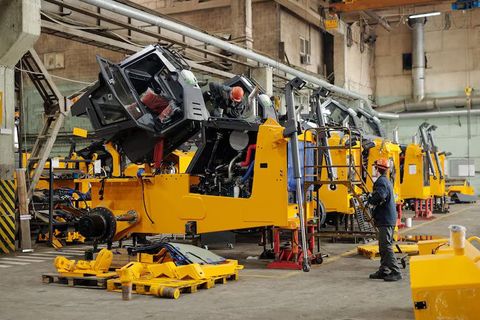
Plastic machinery manufacturers develop and produce equipment used to transform plastic materials into useful products, components, packaging, films, pipes, sheets, and molded parts. The industry combines mechanical engineering, electrical controls, thermal systems, material handling, automation, and process engineering to manage different stages of plastic production.
Plastic machinery includes several equipment categories. Injection molding machines shape heated plastic inside molds, while extrusion machines continuously push melted material through a shaped opening. Blow molding equipment produces hollow items, thermoforming systems shape heated sheets, and plastic recycling machinery processes discarded materials into reusable feedstock.
The development of modern plastic machinery comes from the need to process different polymers with greater consistency and control. Earlier systems depended heavily on manual adjustments, while modern equipment increasingly uses sensors, programmable controllers, automated material handling, and digital monitoring.
Plastic machinery manufacturers therefore operate at the intersection of manufacturing technology and materials science. Their equipment can be configured for different polymers, product dimensions, production speeds, mold designs, and processing conditions.
Main Types of Plastic Machinery
Common equipment categories include:
- Injection molding machines for molded components
- Extrusion machines for continuous plastic products
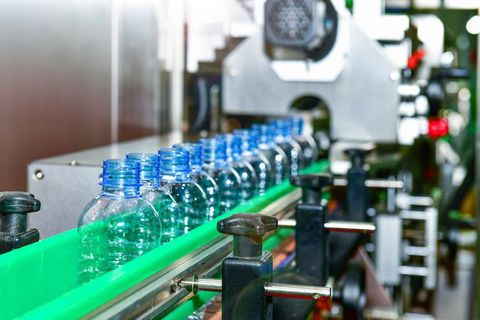
- Blow molding machines for hollow containers and components
- Thermoforming machines for sheet-based products
- Plastic recycling machinery for sorting, size reduction, washing, and reprocessing
- Plastic pelletizing equipment for converting processed material into pellets
- Compounding equipment for mixing polymers with additives or reinforcing materials
- Auxiliary equipment such as dryers, chillers, loaders, granulators, and temperature-control systems
The appropriate equipment depends on the material, product geometry, production method, throughput requirements, and quality controls involved.
Importance
Plastic processing affects many everyday products, from protective packaging and household components to medical devices, electronics housings, automotive parts, construction materials, and industrial components. Because plastics can be processed into many shapes and material grades, plastic machinery plays an important role across multiple manufacturing sectors.
The machinery also addresses practical production challenges. Automated controls can regulate temperatures, pressures, speeds, and material feeding more consistently than purely manual systems. Sensors can detect changes during production and provide information that helps operators identify process variations.
Why Automation Matters
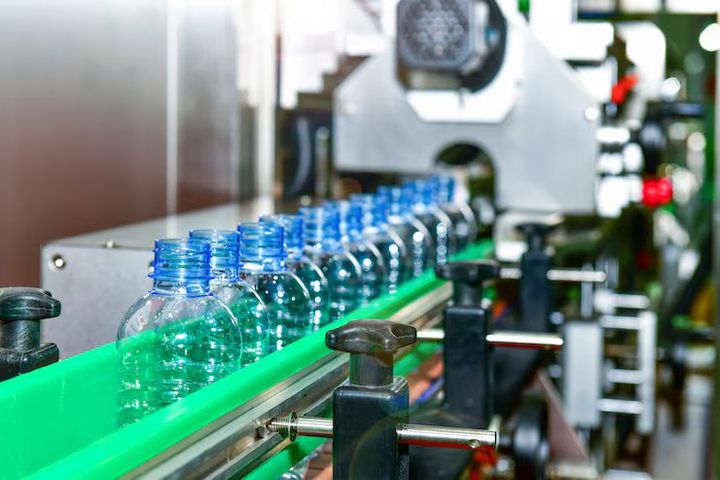
Automation is becoming an important part of plastic processing technology. A modern production line may combine programmable logic controllers, servo drives, robotic handling systems, machine vision, temperature sensors, pressure sensors, and production-monitoring software.
Automation can help coordinate several operations, such as:
- Loading and drying polymer materials
- Controlling injection or extrusion parameters
- Removing molded components
- Moving products between production stages
- Monitoring temperatures and pressures
- Detecting selected dimensional or visual defects
- Recording production information
The value of automation depends on how well the equipment, software, material, tooling, and production process work together. Automation does not eliminate the need for appropriate process design or trained operators.
Engineering Factors
When evaluating plastic machinery manufacturers, technical specifications provide important context. Key factors include processing method, polymer compatibility, machine capacity, temperature range, pressure range, control architecture, energy requirements, mold or die compatibility, safety systems, and maintenance requirements.
| Machinery Type | Primary Process | Typical Applications | Important Factors |
|---|---|---|---|
| Injection molding | Mold filling | Components and housings | Clamping force, injection capacity, mold compatibility |
| Extrusion | Continuous forming | Pipes, films, sheets | Screw design, output rate, temperature control |
| Blow molding | Hollow forming | Containers and hollow parts | Parison control, mold design, pressure |
| Thermoforming | Sheet forming | Trays and formed sheets | Heating zones, forming method, sheet thickness |
| Recycling machinery | Material recovery | Reprocessed polymers | Sorting, washing, drying, contamination control |
| Pelletizing equipment | Size and form conversion | Polymer pellets | Cutting method, cooling, material characteristics |
Recent Updates
Between 2024 and 2026, plastic processing technology has continued moving toward automation, digital controls, energy management, and circular material use. These developments are influenced by manufacturers seeking greater process visibility while also responding to changing expectations around material efficiency and recycling.
Digital and Automated Processing
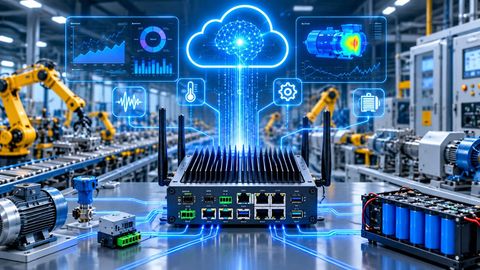
Modern machinery increasingly incorporates connected sensors and digital control systems. Data from temperature, pressure, motor performance, material flow, and other process variables can be collected for monitoring and analysis.
Artificial intelligence and machine-learning technologies are also being explored in manufacturing environments for applications such as anomaly detection, predictive maintenance, process optimization, and visual inspection. Their practical value depends on data quality, system integration, and appropriate validation.
Recycling and Circular Processing
Plastic recycling machinery has received increased attention as manufacturers and policymakers place greater emphasis on material recovery. Equipment can include shredders, granulators, washing systems, separators, dryers, extruders, filtration units, and pelletizers.
The technical challenge is that recycled polymers may contain contamination, mixed materials, moisture, or variations in material properties. Modern recycling systems therefore increasingly combine multiple processing stages rather than relying on a single machine.
Energy and Process Efficiency
Manufacturers are also developing equipment around improved heating systems, variable-speed drives, servo technology, insulation, and process controls. These technologies can reduce unnecessary machine activity and provide more precise control of processing conditions.
Energy performance remains dependent on the complete production system. Material type, machine configuration, operating conditions, tooling, cooling requirements, and production volume can all affect energy consumption.
Laws or Policies
Plastic machinery manufacturers must consider two broad areas of regulation: machinery safety and environmental requirements. Exact rules depend on the country or market where equipment is manufactured, installed, or operated.
Machinery Safety Requirements
Machinery regulations commonly address guarding, emergency controls, electrical safety, risk assessment, instructions, technical documentation, and conformity procedures. Manufacturers may also need to document how safety requirements have been addressed during machine design.
In the European Union, Regulation (EU) 2023/1230 establishes updated machinery requirements and is scheduled to apply from January 2027. The regulation includes provisions concerning machinery safety, conformity assessment, digital instructions, cybersecurity-related considerations, and certain AI-related safety functions.
Packaging and Recycling Policies
Environmental rules can also influence plastic processing technology, particularly where machinery is used for packaging production or recycling. The European Union's Packaging and Packaging Waste Regulation includes requirements related to recyclability, recycled content, packaging design, collection, and recycling targets. Its application begins during 2026, with several requirements taking effect over later periods.
Other jurisdictions have their own packaging, waste, recycling, chemical, worker-safety, and environmental requirements. For this reason, compliance should always be evaluated against the specific market and application.
Tools and Resources
Several tools help readers understand plastic machinery manufacturers and processing technology without requiring advanced engineering knowledge.
Equipment Specification Tools
Manufacturer specification sheets can help compare machine dimensions, processing capacity, temperature ranges, control systems, motor ratings, and compatible materials. Technical manuals provide additional information about installation, operation, safety, and maintenance.
Material and Process Resources
Polymer datasheets provide information about properties such as melting behavior, density, moisture sensitivity, strength, and recommended processing conditions. Processing guides can help explain why different polymers require different temperatures, pressures, drying procedures, or screw configurations.
Engineering and Production Software
Common digital resources include:
- CAD software for mold and component design
- Manufacturing execution systems for production monitoring
- PLC programming environments for machine controls
- Energy-monitoring platforms for equipment analysis
- Machine-vision software for inspection applications
- Maintenance-management platforms for equipment records
- Process simulation tools for molding and extrusion analysis
Standards and Regulatory Databases
Official regulatory databases and recognized technical standards organizations are useful for checking current machinery safety, environmental, electrical, and product requirements. Because regulations can change, current official documentation should be used when compliance decisions are required.
FAQs
What do plastic machinery manufacturers produce?
Plastic machinery manufacturers produce equipment such as injection molding machines, extrusion systems, blow molding machines, thermoforming equipment, recycling machinery, pelletizers, material handling systems, and automated production equipment.
How does automation improve plastic processing technology?
Automation can coordinate machine controls, material handling, temperature regulation, inspection, and production monitoring. Sensors and programmable controllers can provide more consistent process information and reduce reliance on manual adjustments.
What should be considered when comparing plastic machinery manufacturers?
Important considerations include processing method, polymer compatibility, machine capacity, control technology, safety systems, energy requirements, tooling compatibility, documentation, and regulatory requirements for the intended market.
What is plastic recycling machinery?
Plastic recycling machinery consists of equipment used to prepare discarded plastic for further processing. A recycling line may include sorting, shredding, washing, drying, separation, extrusion, filtration, and pelletizing stages.
How are plastic machinery manufacturers responding to sustainability requirements?
Manufacturers are developing equipment that supports material recovery, recycled polymer processing, improved process control, energy monitoring, and more efficient use of production materials. Regulatory requirements are also encouraging greater attention to recyclable packaging and circular material systems.
Conclusion
Plastic machinery manufacturers support a broad range of industrial processes through injection molding, extrusion, blow molding, thermoforming, recycling, and automated production systems. Modern plastic processing technology increasingly combines mechanical equipment with sensors, digital controls, robotics, and data monitoring. Environmental policies are also increasing attention toward recycling, packaging design, and material efficiency. Understanding machine type, processing requirements, automation features, safety considerations, and applicable regulations provides a clearer view of modern plastic manufacturing.